
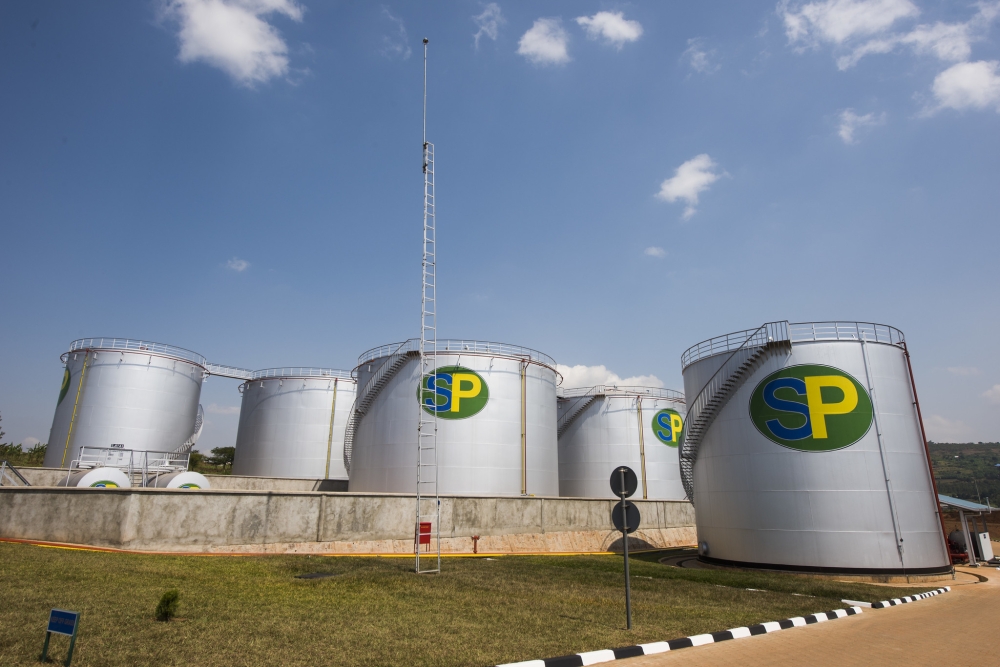

The agreement was signed between the Rwanda National Energy Company (RNEC) and Gulf Bulk Petroleum Tanzania Limited (GBP), marking another milestone in Rwanda’s efforts to diversify its fuel import routes and strengthen the country’s energy security.
The deal comes at a time when Rwanda, like many countries around the world, continues to experience rising fuel prices. The government has been exploring additional supply channels to reduce the impact of volatility in global energy markets and ensure a steady supply of petroleum products.
According to Rwanda’s Ministry of Trade and Industry, the agreement will facilitate the transportation of refined petroleum products through the Port of Tanga before they are shipped into Rwanda. Officials say the arrangement is designed to expand the country’s import corridors, reducing reliance on a limited number of supply routes.
The latest agreement follows another energy cooperation deal signed between Rwanda and Kenya on June 29, 2026, aimed at importing petroleum products through the Port of Mombasa. That agreement provides Rwanda with greater access to Kenya’s petroleum storage facilities, transport infrastructure, and pipeline network.
Together, the two agreements are expected to establish a government-to-government framework for petroleum imports, helping improve supply reliability, reduce transportation bottlenecks, and enhance long-term planning for fuel procurement.
As a landlocked country, Rwanda imports all of its petroleum products by road, primarily through the ports of Dar es Salaam in Tanzania and Mombasa in Kenya. The addition of Tanga as another major entry point broadens Rwanda’s logistics network and reduces the risks associated with depending on only one or two transport corridors.
The partnership with Gulf Bulk Petroleum Tanzania Limited also reinforces Tanzania’s growing role in Rwanda’s energy supply chain. While Mombasa serves the Northern Corridor, the ports of Tanga and Dar es Salaam strengthen the Central Corridor, giving Rwanda greater flexibility in responding to supply disruptions and changing market conditions.
The move comes as fuel prices have risen sharply in recent months. Over the past three months, the price of gasoline has increased by RWF 949 per litre, representing a 47.7 percent rise, while diesel prices have climbed by RWF 979 per litre, an increase of 50.3 percent. Expanding fuel import routes is expected to help cushion Rwanda against future supply shocks and improve the resilience of its energy sector.