
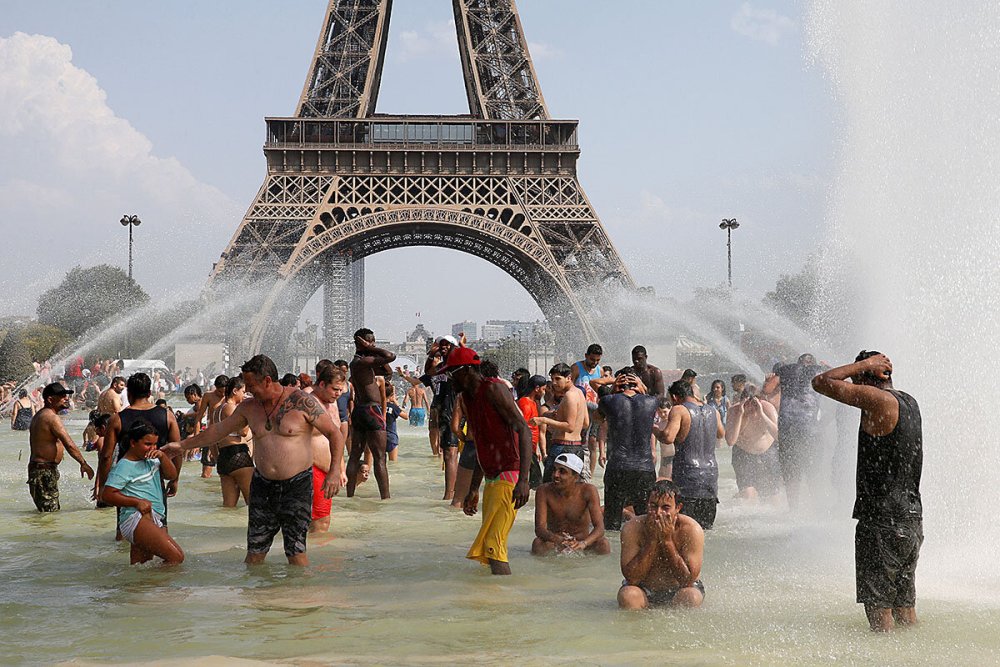

French Minister of Health Stéphanie Rist said the sharp rise in temperatures has had the greatest impact on people aged 45 and older, with health authorities continuing to monitor vulnerable groups as the heat persists.
Meteorologists warn that temperatures could continue rising across Europe in the coming days, increasing the risk to public health, particularly for older adults, people with chronic illnesses, and those exposed to prolonged periods outdoors.
On June 24, 2026, France experienced one of the most intense heatwaves in its history. Temperatures in Paris reached 41°C, while several other parts of the country also recorded unusually high temperatures, placing additional strain on hospitals, emergency services, and public infrastructure.
Authorities have urged residents to stay hydrated, avoid unnecessary outdoor activities during the hottest hours of the day, and regularly check on elderly relatives and neighbors. Cooling centers have been opened in several cities to provide relief for those most affected by the extreme weather.
The prolonged heat has also fueled a surge in wildfires across the country. On July 2, 2026, French Prime Minister Sebastien Lecornu announced that around 7,000 forest fires had been recorded since the start of the summer season, stretching firefighting resources and threatening communities in several regions.
Climate scientists have repeatedly warned that human-induced climate change is making heatwaves more frequent, longer-lasting, and more intense across Europe. Governments across the continent are increasingly facing the challenge of adapting public health systems, emergency services, and infrastructure to cope with extreme weather events that are becoming more common each year.