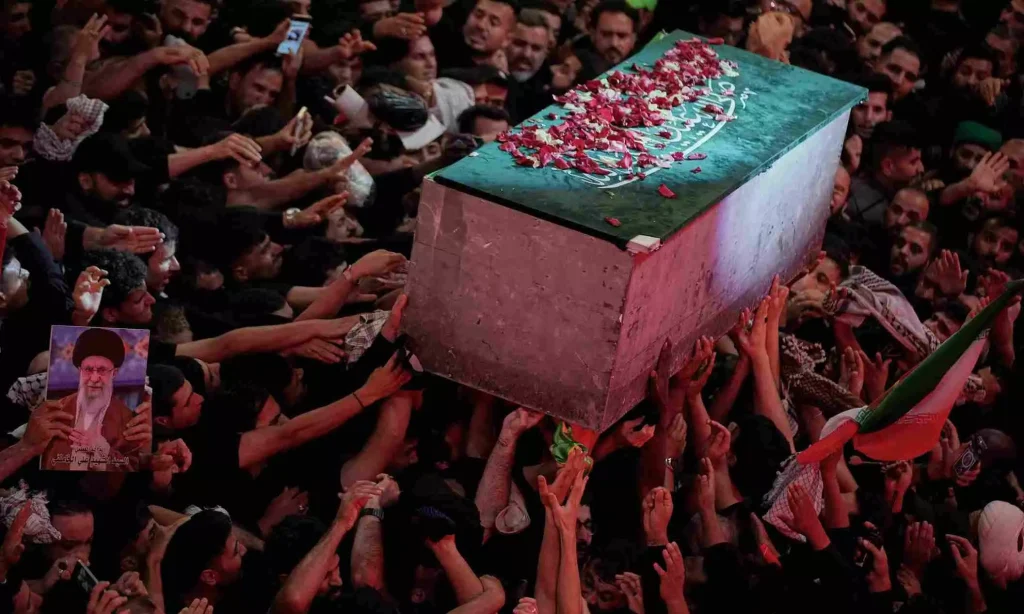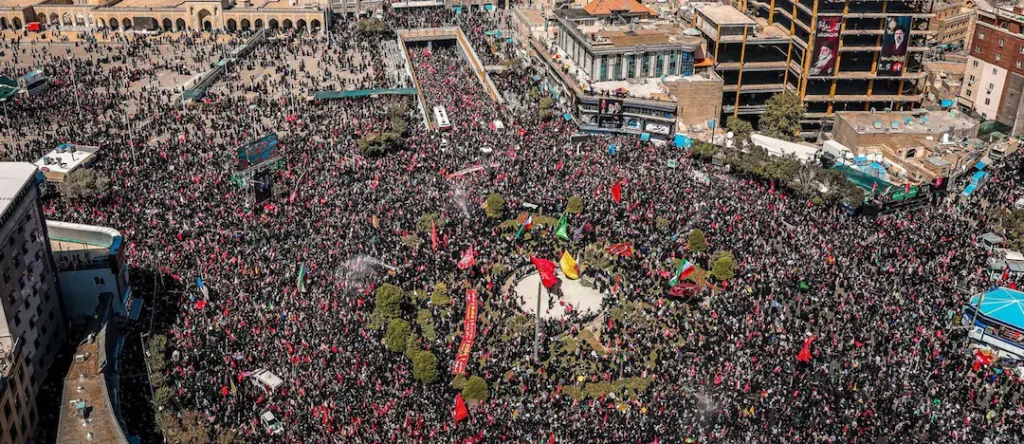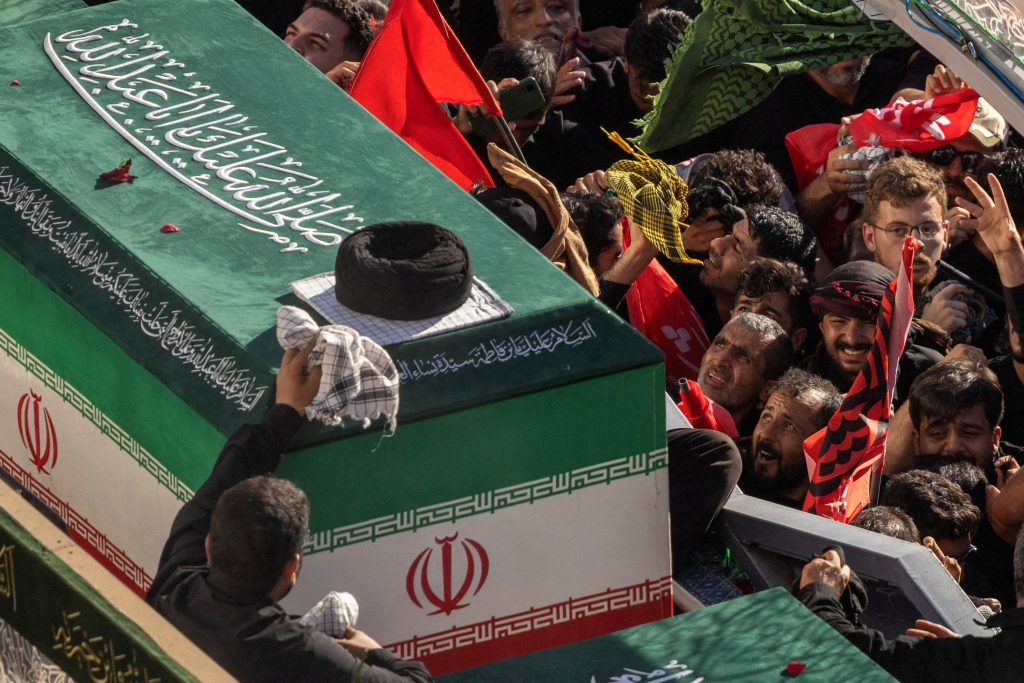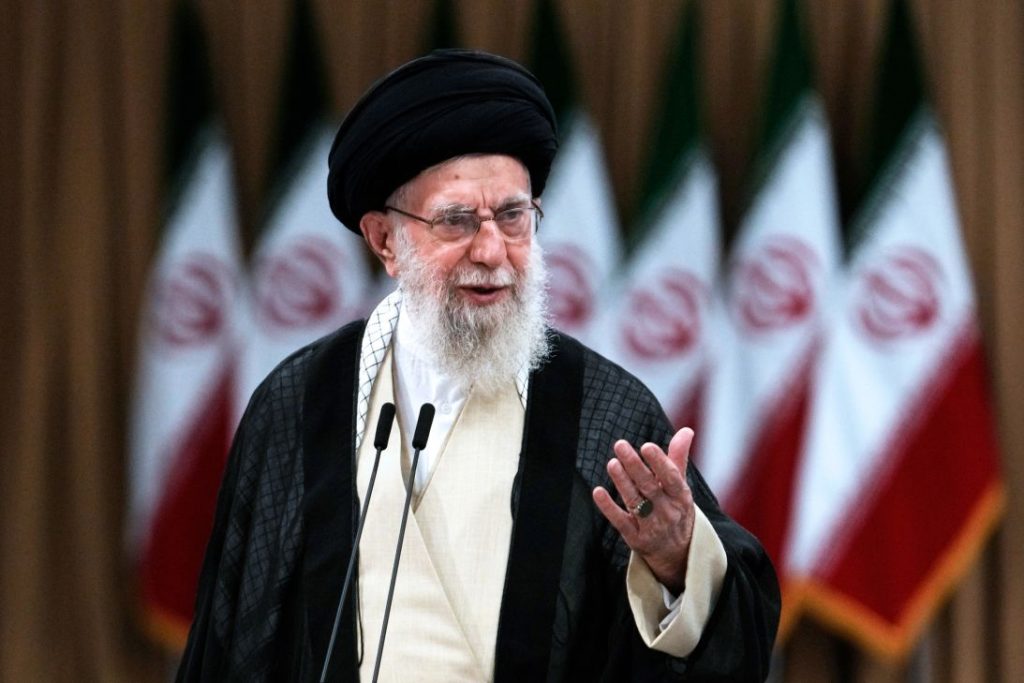
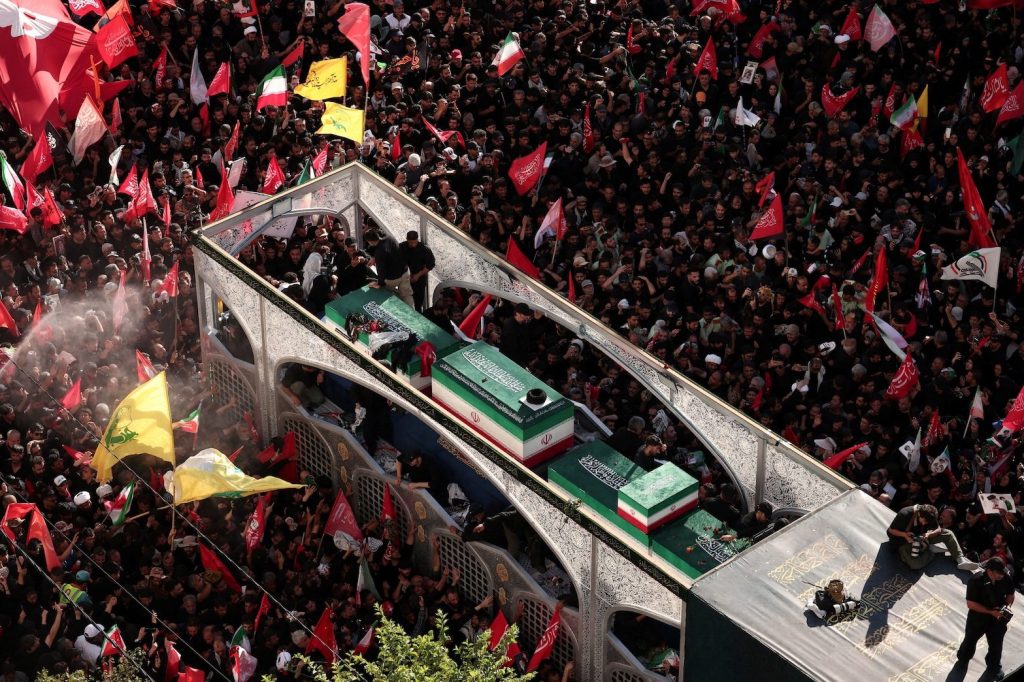

Khamenei was laid to rest at the Imam Reza Shrine, one of the holiest sites for Shia Muslims in Iran. His burial marked the end of six days of nationwide mourning ceremonies held across five Iranian cities and neighboring Iraq.
The funeral comes as tensions between Iran and the United States have flared up again, raising concerns over the fragile ceasefire agreement reached after the conflict that claimed Khamenei’s life.
Hours before the funeral, Iran’s military accused the United States of bombing two railway bridges linking Tehran and Mashhad overnight, claiming the attacks were intended to disrupt the burial ceremony.
Khamenei and several members of his family were killed in an Israeli strike on their residence in Tehran on February 28, the first day of the war involving Iran, the United States, and Israel.
He was succeeded by his son, Mojtaba Khamenei. However, Mojtaba has not appeared in public since reports emerged that he was seriously injured in the same attack that killed his father.
The 56-year-old also missed memorial ceremonies held in Tehran and the holy city of Qom.
On Thursday morning, a plane carrying the coffins of Ali Khamenei, his granddaughter, son-in-law, daughter, and Mojtaba’s wife arrived in Mashhad from Iraq, where large memorial ceremonies had been held in the cities of Najaf and Karbala.
Later in the day, Iranian state television showed thousands of mourners dressed in black marching through Mashhad’s main boulevard. Many waved Iranian flags and carried red banners symbolizing a vow of revenge.
Some participants also carried portraits of Khamenei alongside placards calling for the death of U.S. President Donald Trump. Trump and Israeli Prime Minister Benjamin Netanyahu are accused by many mourners of ordering the joint military operation that killed the Iranian leader four months ago.
Hoda, a 35-year-old homemaker, told AFP: “Losing our leader is more painful than losing our own parents. Only the deaths of Trump and Netanyahu can ease our grief.”
The coffin carrying Khamenei was later transported slowly through the massive crowd toward the Imam Reza Shrine.
Imam Reza, the eighth Shia Imam, is the only one of the twelve Shia Imams believed to be buried in Iran. His shrine, originally built in the ninth century, is famous for its golden dome and attracts millions of pilgrims and visitors every year.
Khamenei was born in Mashhad, Iran’s second-largest city in the country’s northeast. He studied Islamic theology there before moving to Qom, the center of Shia religious scholarship in Iran.
He became Iran’s Supreme Leader in 1989 following the death of Ayatollah Ruhollah Khomeini, the founder of the Islamic Republic of Iran.
The mourning period has been overshadowed by renewed fighting between Iran and the United States.
President Trump warned that U.S. military strikes could become “even stronger” following a second consecutive night of attacks. The U.S. military said the operations were aimed at reducing Iran’s ability to threaten commercial shipping in the Strait of Hormuz.
In response, Iran launched attacks on U.S. military bases and facilities in Kuwait, Bahrain, and Qatar.
The renewed hostilities come just three weeks after Iran and the United States signed a ceasefire agreement intended to halt fighting and reopen the Strait of Hormuz to international shipping.