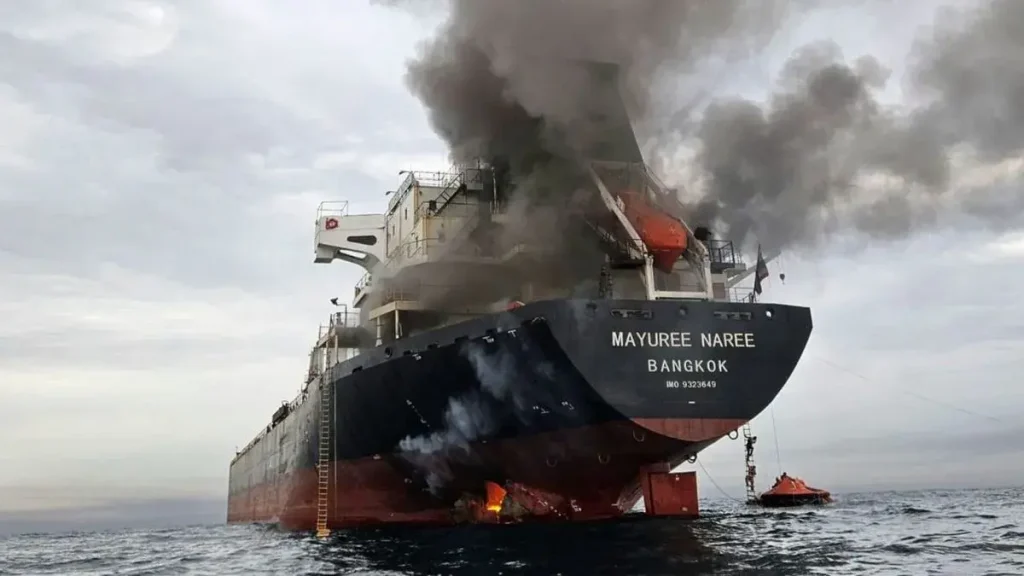

Washington’s demand follows a series of attacks earlier this week in which three commercial cargo ships, including oil tankers, came under fire, escalating tensions between the United States and Iran.
US President Donald Trump said the latest attacks showed that the ceasefire agreement between the two countries was no longer being respected. However, he stressed that diplomatic efforts to end the conflict would continue. On the other hand, Iran’s Foreign Minister, Abbas Araghchi, accused the United States of violating the terms of the ceasefire that had previously been agreed upon.
The conflict began after the United States and Israel launched coordinated strikes on February 28, prompting Iran to retaliate with attacks targeting Israel as well as US military assets and allied facilities across the Middle East. Although both sides agreed to a ceasefire in June 2026, under which Iran pledged to allow commercial shipping through the Strait of Hormuz without interference, recent incidents have cast serious doubt on the agreement’s future.
US officials said the message urging Iran to publicly announce that the Strait of Hormuz is open and to halt attacks on merchant ships was delivered through regional mediators. According to one senior official, such a public commitment is essential if ongoing negotiations are to produce meaningful results and restore confidence in the ceasefire.
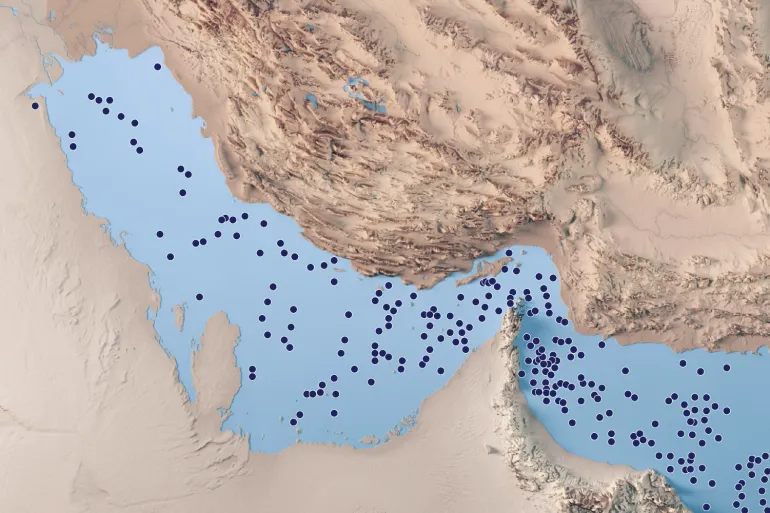
The Strait of Hormuz is one of the world’s most important maritime chokepoints. Nearly 20% of the global supply of oil and liquefied natural gas passes through the narrow waterway every day, making any disruption a major concern for global energy markets, shipping companies, and economies worldwide.
Analysts warn that continued instability in the Strait could lead to higher global oil prices, increased shipping costs, and renewed uncertainty across international markets. As negotiations continue, the international community is closely watching whether both Washington and Tehran can prevent the conflict from escalating further.