
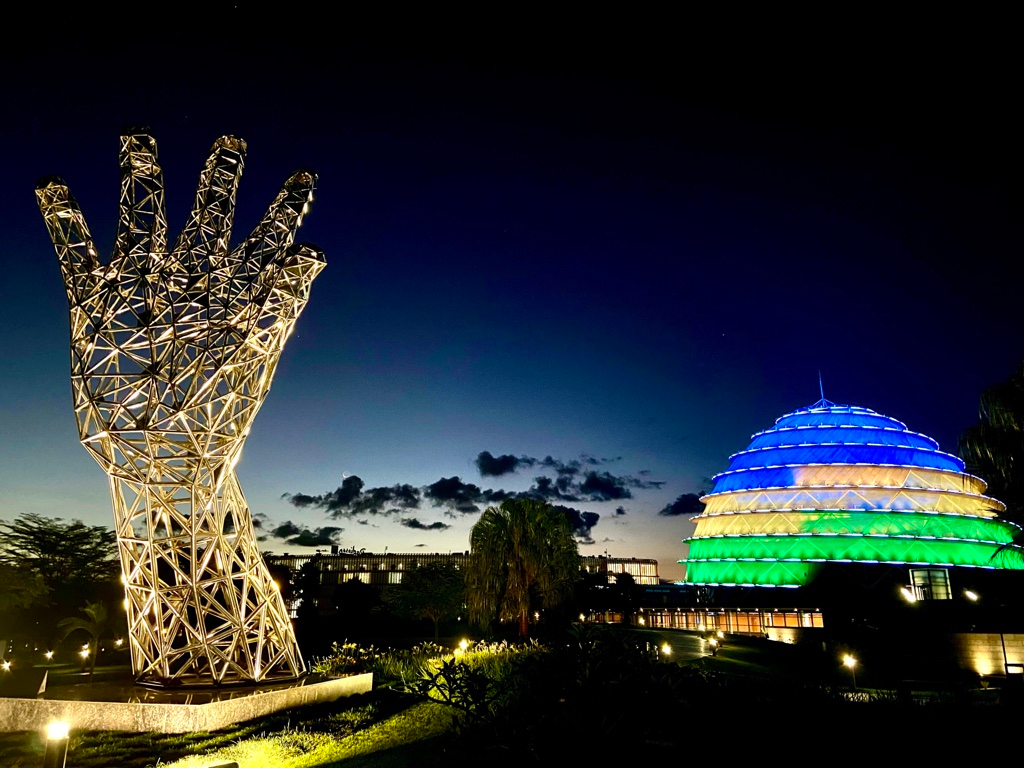

The findings, published in July 2026 as part of the preliminary results of the 2026 Ibrahim Index of African Governance (IIAG), show that Rwanda and Seychelles are tied for first place, each scoring 76.6%.
The report assesses anti-corruption performance using six indicators: the effectiveness of anti-corruption mechanisms, the absence of corruption in public institutions, integrity across government, the absence of corruption in the private sector, transparency in public procurement, and citizens’ perceptions of anti-corruption efforts.
Between 2016 and 2025, Rwanda’s score improved by 2.6 percentage points, allowing it to maintain its position as Africa’s leading country in combating corruption since 2016. However, the report notes that while Rwanda continues to improve, the pace of progress has slowed, with the rate of improvement declining since 2021.
Seychelles recorded the strongest improvement in anti-corruption performance over the past decade, increasing its score by 26.3 percentage points and climbing 12 places in the rankings.
The other countries in the top 10 are Mauritius (65.7%), Senegal (64.0%), Benin (58.7%), Botswana (57.8%), Namibia (57.6%), Cabo Verde (56.1%), Tunisia (55.9%), and Burkina Faso (55.6%).
Across Africa, the report shows only modest progress in tackling corruption over the last decade. The continental average increased slightly from 38.6% in 2016 to 39.1% in 2025. However, progress has been uneven, with 28 countries recording declines in their anti-corruption scores, while 26 countries improved during the same period.
The report also highlights the significant gap between the continent’s best and worst performers. While Rwanda and Seychelles each scored 76.6%, South Sudan, ranked last, scored just 6.9%.
The Mo Ibrahim Foundation’s findings are based on data collected from multiple sources and combined into six indicators used to evaluate anti-corruption performance under the Ibrahim Index of African Governance (IIAG). The 2026 report contains preliminary results, which have undergone internal review by the foundation.


