
The findings are contained in UNECA’s report titled Macroeconomic and Social Overview 2026: Eastern Africa’s Balancing Act – High Growth, Tight Budgets, and Rising Uncertainty, which assesses economic and social trends across Eastern African countries.
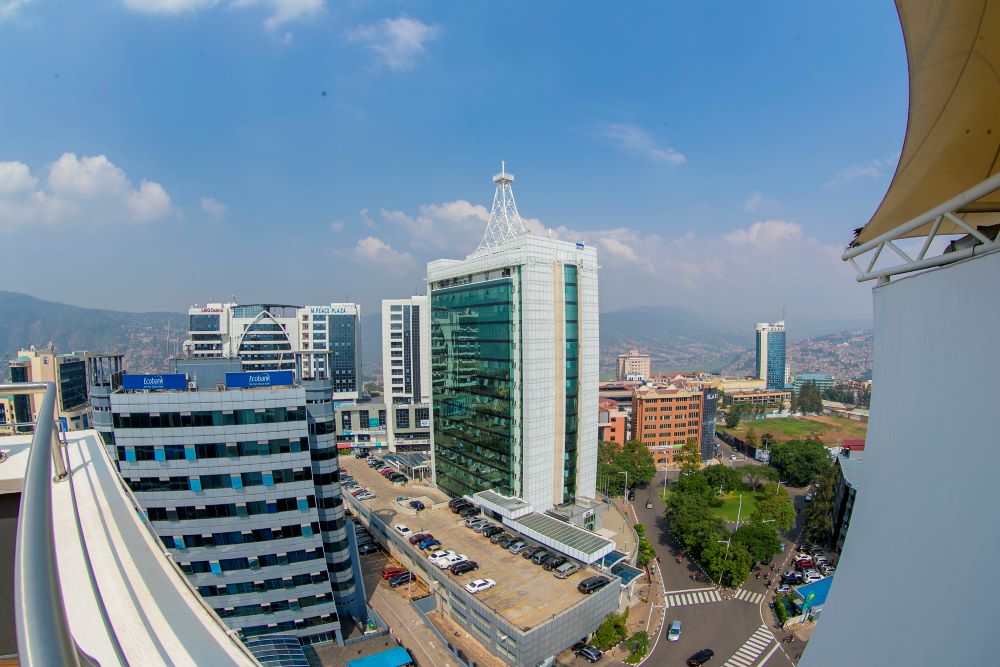
According to the report, Rwanda remains among the region’s fastest-growing economies, with its strong performance driven by sound economic management, strategic investment in key sectors, and long-term economic reforms.
UNECA noted that Rwanda’s economy has continued to expand across multiple sectors, with Gross Domestic Product (GDP) growing by 10% during the first quarter of 2026. The growth was supported by strong performances in manufacturing, services, and agriculture.
The report further stated that construction, industry, and services played a major role in sustaining the country’s economic expansion.
During the fourth quarter of 2025, Rwanda’s economy grew by 11.2%, fueled by increased activity in construction, manufacturing, trade, information and communications technology (ICT), and services.
UNECA said this demonstrates that Rwanda’s economy is becoming increasingly diversified rather than relying on a single sector.
The Commission also reported that Rwanda increased its 2025/2026 national budget by 21% compared with the previous fiscal year.
The budget prioritizes investment in infrastructure, agriculture, electricity access, education, healthcare, housing, and the construction of the Bugesera International Airport.
According to UNECA, these investments align with Rwanda’s ambition of becoming a regional hub for aviation, trade, and services in Eastern Africa.
On public finances, the report commended Rwanda for maintaining prudent debt management, noting that nearly 90% of the country’s public debt consists of concessional loans with favorable repayment terms.
UNECA also identified tourism as one of Rwanda’s key economic pillars.
The report estimates that the tourism sector contributed approximately Rwf1 trillion to the economy in 2024, representing 9.8% of the country’s GDP, while supporting more than 400,000 jobs in 2025.
It added that Rwanda continues to attract visitors from across Africa and beyond, particularly for international conferences, business travel, and leisure tourism.
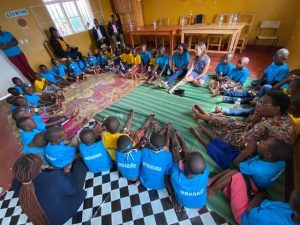
Regarding social development, UNECA said Rwanda continues to make significant progress in reducing poverty through sustained investment in education, healthcare, energy, and social protection programs.
The report also highlighted improvements in child health, noting that the under-five mortality rate declined from 45 deaths per 1,000 live births to 36 per 1,000 live births, according to the 2025 Demographic and Health Survey.
On gender equality, UNECA reaffirmed Rwanda’s global leadership in women’s representation in decision-making institutions.
Women currently hold 63.8% of the seats in the Chamber of Deputies and 50% of the seats in the Senate.
Despite Rwanda’s strong performance, UNECA cautioned that Eastern African countries continue to face challenges, including global economic volatility, rising public debt, fluctuating international commodity prices, and the impact of geopolitical tensions.
Nevertheless, the report concludes that Rwanda is well positioned to sustain its development momentum through sound economic governance, continued investment in strategic sectors, and policies aimed at building a knowledge-based, technology-driven, and private sector-led economy.
As Rwanda continues implementing its Vision 2050 agenda and the Second National Strategy for Transformation (NST2), UNECA says the country has a strong foundation to achieve its long-term sustainable development goals.