

The disclosure was made by Dominic Muntanga, UNICEF Rwanda’s Deputy Representative in charge of Programmes, during a media briefing held on September 18, 2026.
The briefing focused on UNICEF’s partnership with the Government of Rwanda over the 40 years the organisation has operated in the country.
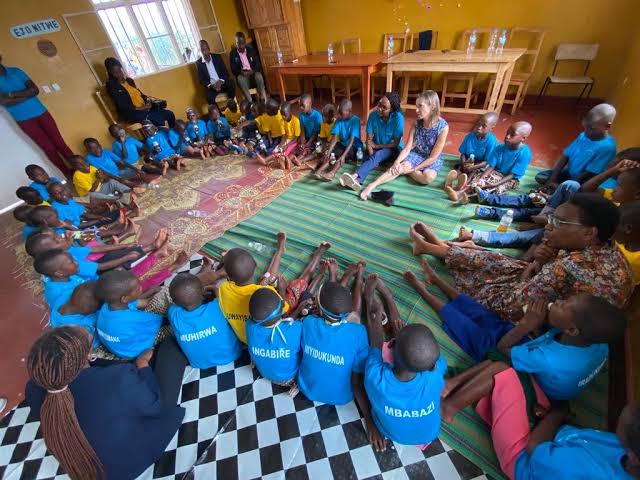
Muntanga said UNICEF had prioritised investment in ECD programmes because providing young children with the basic necessities required for healthy development is an important way of ensuring that their rights are fully respected.
“Among the things UNICEF has done over the past few decades is investing more than $16 million, which helped unlock more than $150 million in additional resources. When children do not thrive, the country has no future,” Muntanga said.
Participation in Early Childhood Development programmes has increased substantially in recent years.
The number of children enrolled rose from 297,021 in 2020 to 1,165,384 in 2025, representing an increase of nearly 300%.
UNICEF Rwanda also highlighted progress in reducing child mortality.
Deaths among children under the age of five have declined by approximately 80%, from 175.6 deaths per 1,000 live births in 1992 to 36 deaths per 1,000 live births today.
Child stunting has also declined from 48% in 2000 to 27%, while primary school attendance has risen to 93%, up from 47.5% in 1992.
Supporting young people who dropped out of school
UNICEF is also implementing a programme known as RISE, which aims to support approximately 1.1 million young people who dropped out of school.
The programme provides opportunities to study vocational skills and other forms of technical and practical education to help young people improve their prospects.
Since 2012, UNICEF says 90% of children living in orphanages have been supported in finding families to care for them.
These include biological relatives or other families that have agreed to become foster caregivers, referred to as “Guardian Angels.”
Lieke Van de Wiel, UNICEF Rwanda’s Representative, said child protection priorities in the country have changed significantly over the past 40 years.
She explained that during and after the 1994 Genocide against the Tutsi, the focus was largely on ensuring that children—particularly those orphaned by the genocide—were placed in safe and supportive families.
“Child protection 40 years ago, during the tragic period of the Genocide against the Tutsi and its aftermath, was different from the challenges we face today. We are now talking about children’s safety on social media platforms,” Van de Wiel said.
UNICEF also said it is working with relevant institutions to ensure that young children who commit offences punishable by law, including those that could lead to imprisonment, receive appropriate support and protection.
The organisation emphasised that children involved in the justice system should be accompanied and treated as children rather than adults, in order to prevent experiences during the process from causing long-term harm to their lives and development.