
African Wildlife Foundation (AWF) Rwanda Country Director Patrick Nsabimana has called on young people to take an active role in biodiversity conservation and decision-making ahead of the 17th meeting of the Conference of the Parties to the Convention on Biological Diversity (COP17).
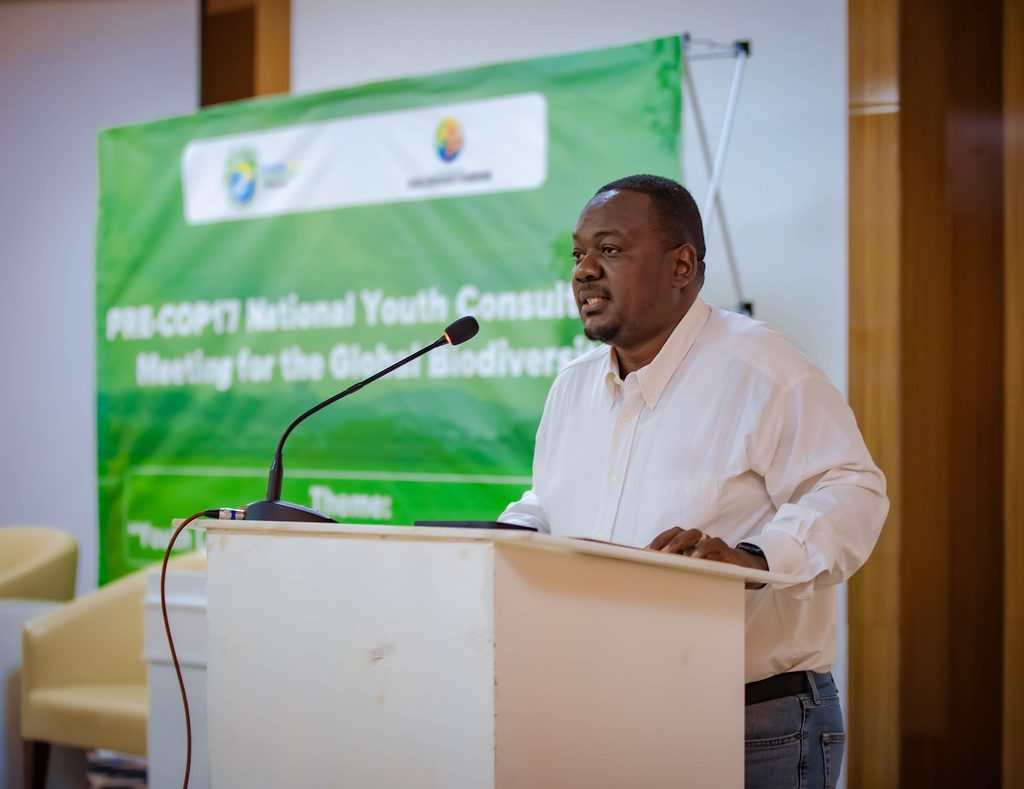
Speaking at the Pre-COP17 National Youth Consultation Meeting in Kigali on October 9, 2026, Nsabimana encouraged young leaders to develop practical recommendations that could contribute to Rwanda’s biodiversity priorities and preparations for the international conference.
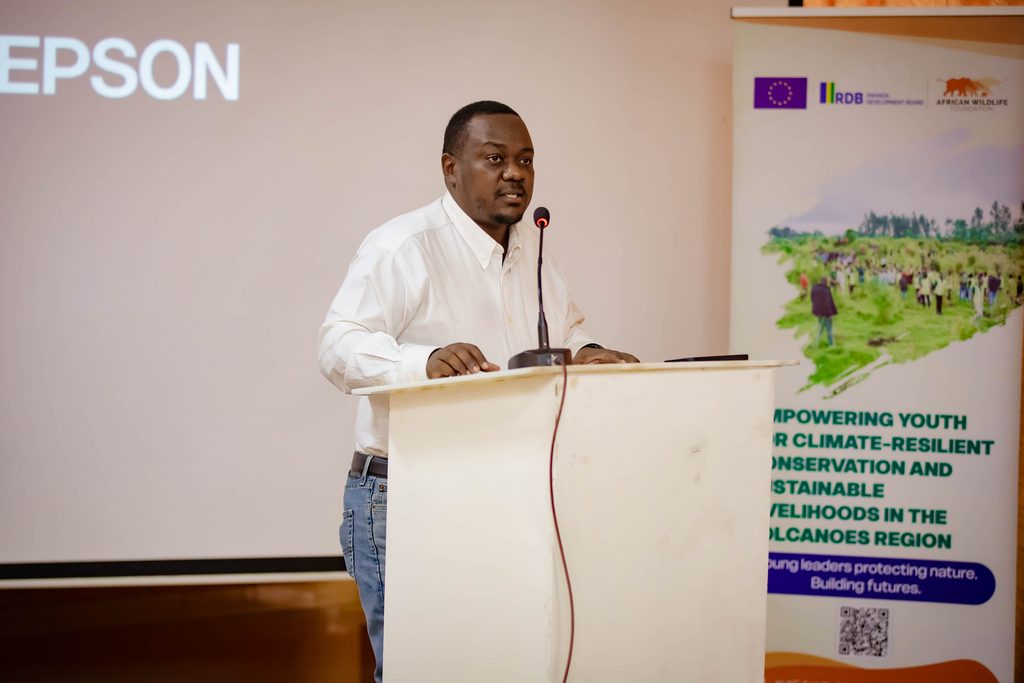
“Too often, that participation has meant inviting young people to listen. Today we are asking you to do something different: to analyse, to argue, and to propose,” Nsabimana said.
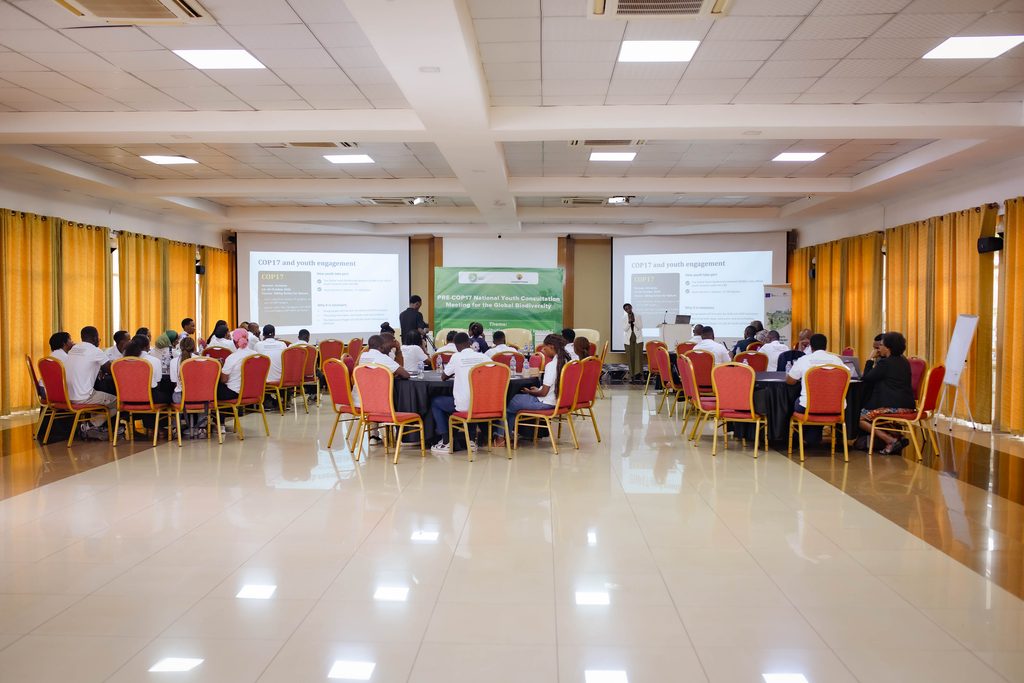
The two-day consultation, held on October 8–9 at Nyandungu Eco-Park and Lemigo Hotel, brought together 50 young leaders, government representatives, academics, non-governmental organisations (NGOs) and other stakeholders to discuss biodiversity conservation and strengthen youth participation in environmental decision-making.
Nsabimana emphasised that young people should contribute to biodiversity policies because they will experience the long-term effects of decisions made today.
“The young people in this room will live with the consequences of the decisions taken in Yerevan far longer than those of us who will negotiate them. It is only right that your thinking shapes Rwanda’s voice there,” he said.
Furthermore, he highlighted Rwanda’s conservation efforts, including mountain gorilla conservation in the Volcanoes landscape, the restoration of Akagera National Park and the transformation of a degraded wetland into Nyandungu Eco-Park.
He praised the Government of Rwanda for demonstrating how environmental conservation and national development can progress hand in hand.
Nsabimana also highlighted AWF’s Young Leadership Support Programme, which supports young Africans working in conservation through policy, science, enterprise and community initiatives.
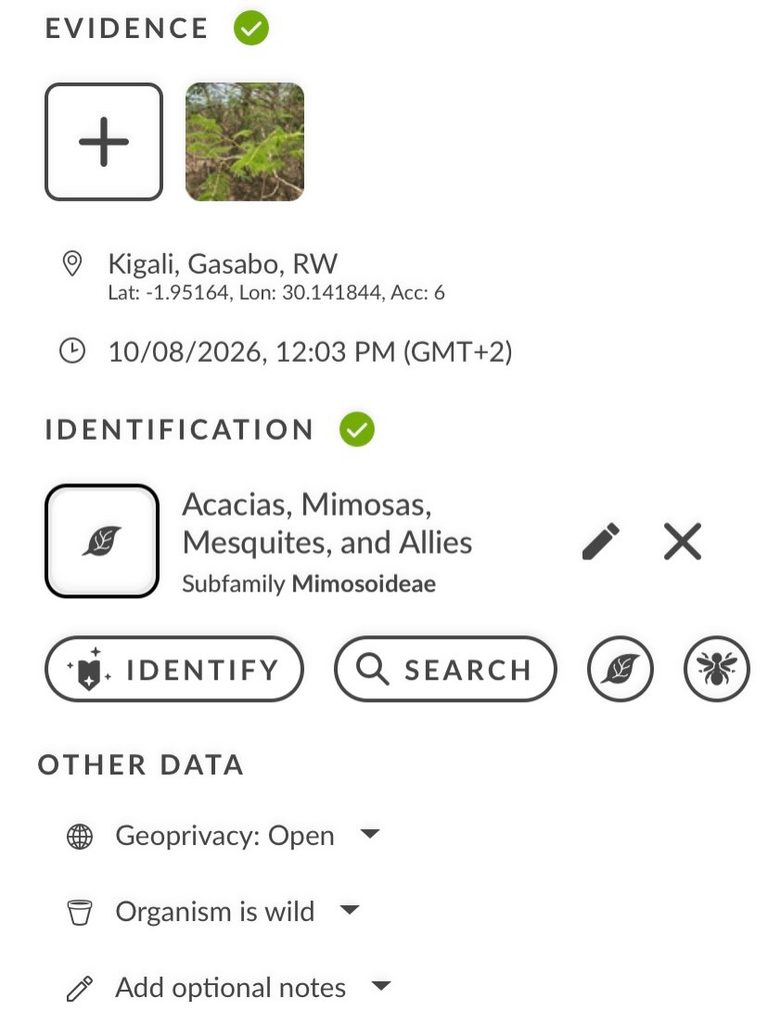
On October 8, participants took part in conservation activities at Nyandungu Eco-Park, where they helped remove invasive species and document biodiversity using the iNaturalist platform. These activities linked practical conservation work with discussions on protecting biodiversity.
Meanwhile, Kaje Rodrigue, the country representative of the Rwanda Youth Biodiversity Network (RYBN), encouraged young people to take the initiative in protecting nature and contributing to conservation efforts in their communities.
He emphasised that young people can support biodiversity conservation through environmental awareness campaigns, community activities and collaboration with other stakeholders. Furthermore, he urged them to turn their ideas into practical action and take responsibility for protecting nature.
“The best time to take action was yesterday; the next best time is today,” Rodrigue said.
The consultation aimed to produce a Rwanda Youth Position Document outlining young people’s recommendations on the country’s biodiversity priorities and preparations for COP17. The document is expected to be presented to the Ministry of Environment ahead of the conference.
Participants also worked towards developing a proposal for a youth-led side event at COP17, which would give young Rwandans an opportunity to contribute to international biodiversity discussions.
The consultation was organised by the African Wildlife Foundation (AWF) Rwanda in partnership with RYBN, under the Young Leadership Support Programme. The Ministry of Environment and the Rwanda Environment Management Authority (REMA) facilitated the meeting, with support from the European Union.
Background on COP17
COP17 will take place in Yerevan, Armenia, from October 19 to 30, 2026. The conference will provide the first global review of collective progress towards implementing the Kunming-Montreal Global Biodiversity Framework, adopted in December 2022. The framework sets 23 targets for 2030 to address biodiversity loss and promote the sustainable use of natural resources.
The Convention on Biological Diversity was adopted on May 22, 1992, during the United Nations Conference on Environment and Development in Rio de Janeiro, Brazil, and entered into force on December 29, 1993. It provides an international framework for conserving biodiversity, promoting the sustainable use of natural resources and ensuring the fair and equitable sharing of benefits arising from genetic resources.