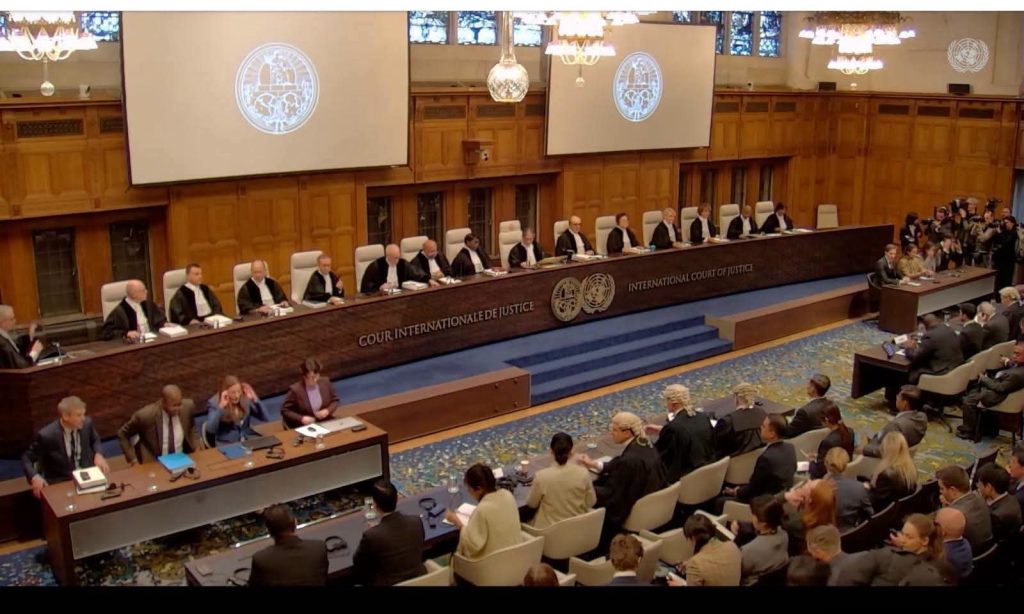

Of the 15 judges who heard the case in The Hague, the Netherlands, nine ruled that Myanmar had committed genocide, while six disagreed. According to the BBC, this is the first time an international court has ruled that a country committed genocide.
Judge Yuji Iwasawa said Myanmar had the intention of destroying a substantial part of the Rohingya population. He also said the country had destroyed significant evidence and failed to investigate, prosecute and punish those responsible for the genocide.
In 2017, military operations in Rakhine State killed thousands of Rohingya, while more than 700,000 others fled to neighbouring Bangladesh. In its defence, Myanmar denied the allegations, arguing that its military was responding to attacks by armed groups.
The nine judges also found that Myanmar had failed to fulfil its obligation to prevent genocide committed by individuals working alongside the country’s security forces. By a vote of 14 to one, the court ruled that Myanmar had not directly and publicly incited the commission of genocide.
The court ordered Myanmar to immediately investigate all individuals against whom there are reasonable grounds to suspect involvement in crimes covered by the Convention on the Prevention and Punishment of the Crime of Genocide. It also ordered the country to provide assurances that it would not violate its obligations under the convention again.
By a vote of 14 to one, the judges further ruled that Myanmar had failed to establish the necessary legislation to ensure that the provisions of the convention were implemented in the country.
Philippe Sands, one of the lawyers representing The Gambia in the case, told the BBC that Myanmar had been given two years to allow the Rohingya to return to their homes.
He explained that many of their houses had been destroyed, meaning that if returning home proved impossible, the court would assess the compensation they should receive. The court will also determine the amount and the method through which the compensation will be provided.
United Nations High Commissioner for Human Rights Volker Türk called for the ruling to be implemented. He urged countries to support efforts to compensate genocide survivors and provide them with assistance.