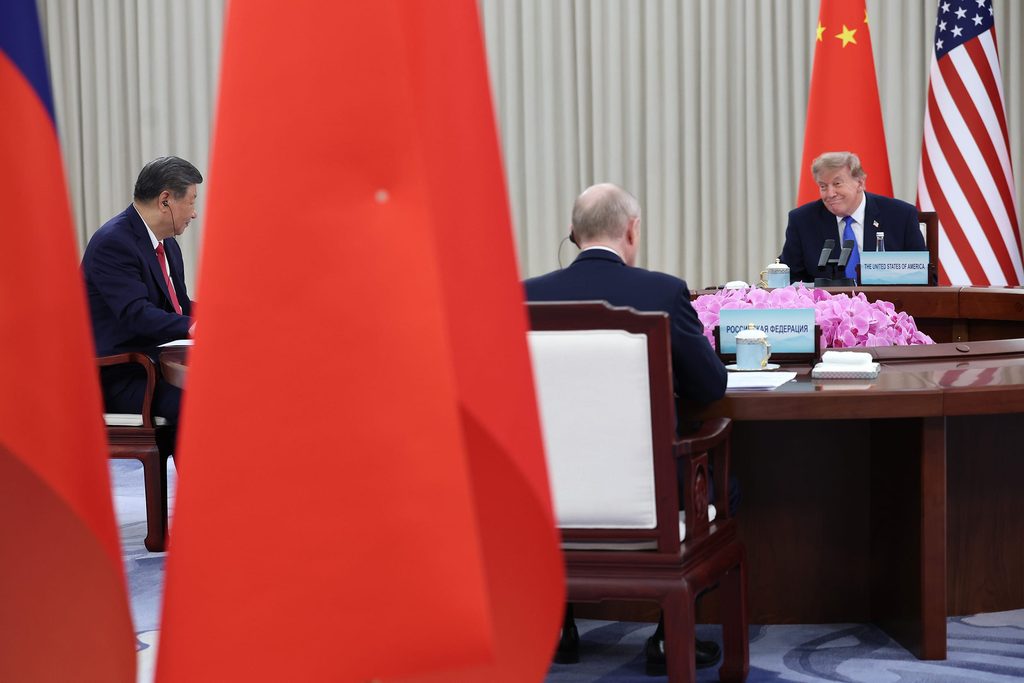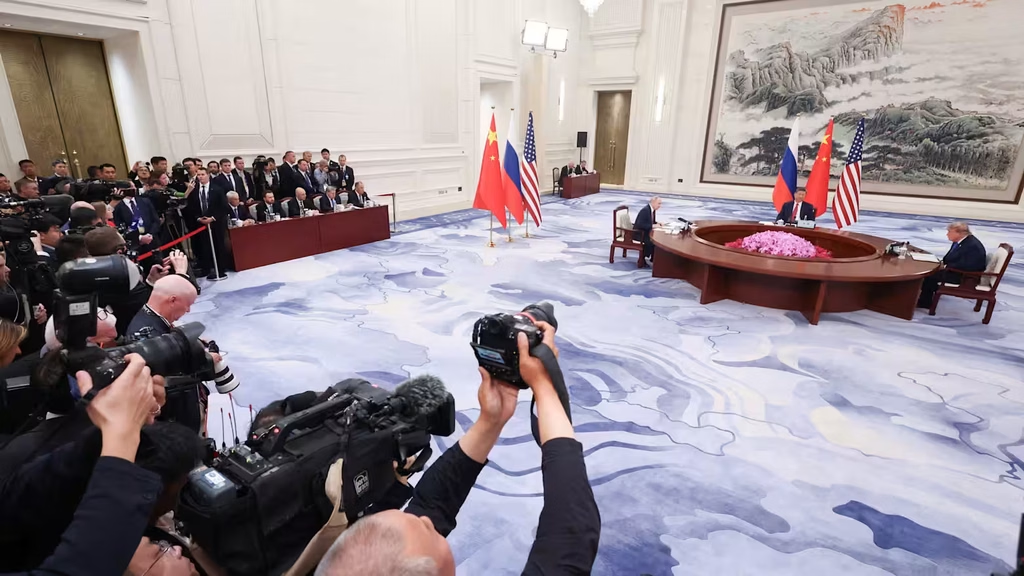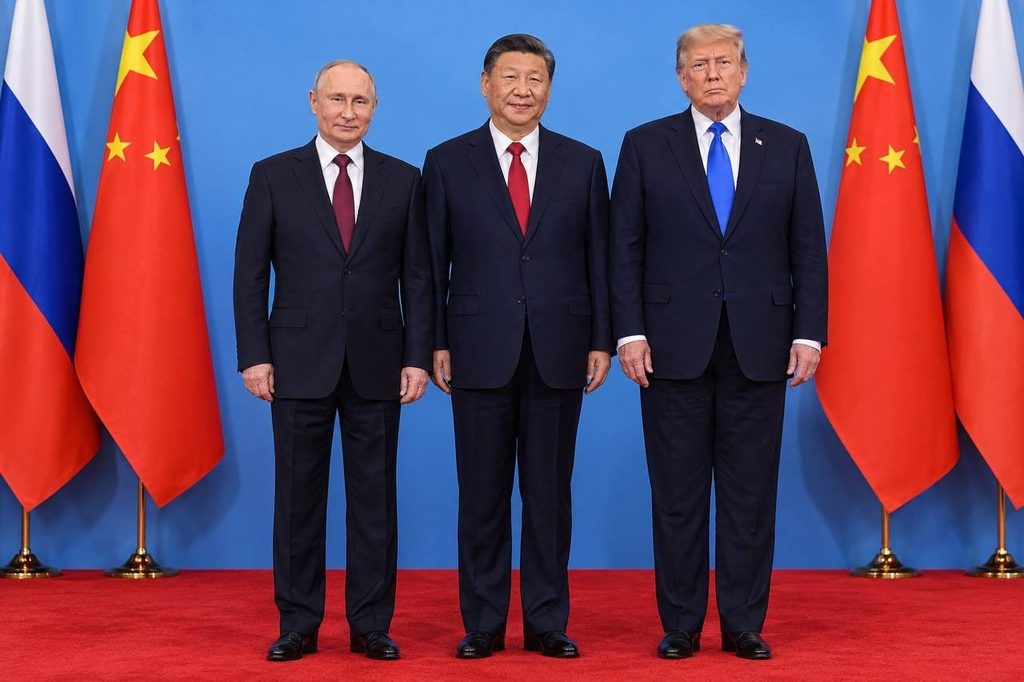
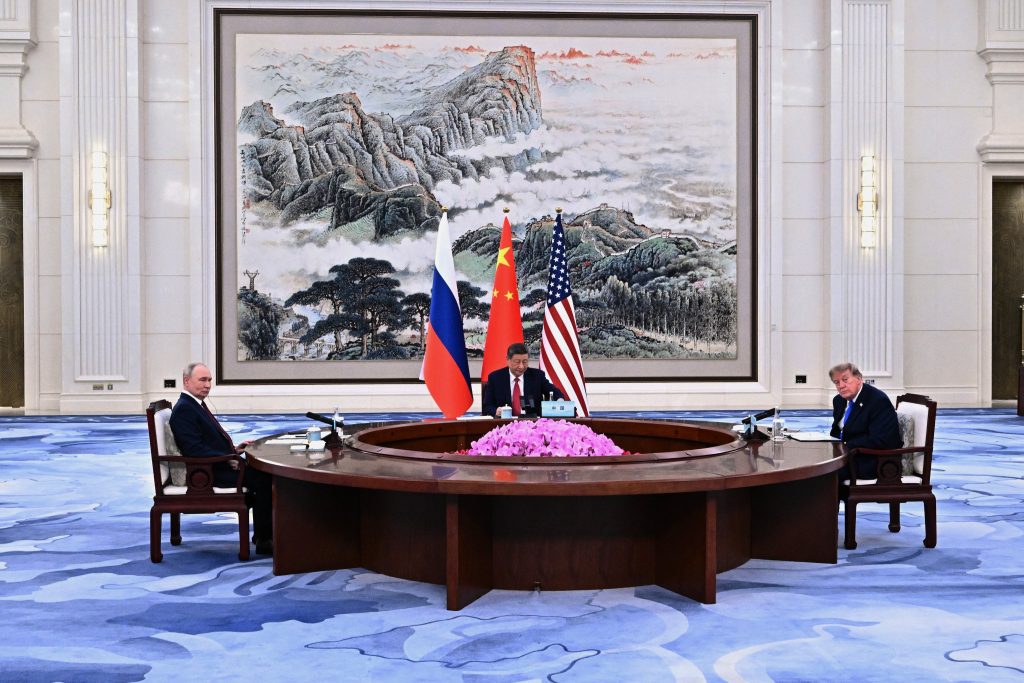

The leaders of the world’s three largest nuclear-armed countries met in Shenzhen, southern China, on Thursday, November 19, 2026. Their meeting took place on the sidelines of the Asia-Pacific Economic Cooperation (APEC) summit of heads of state and government.
In a statement issued after their discussions, the leaders pledged to “hold talks on reducing the risks posed by nuclear weapons and preventing their proliferation.” However, they did not specify when the discussions would take place.
China has long rejected US calls to join formal negotiations on nuclear weapons, arguing that its arsenal is significantly smaller than those of the United States and Russia.
Xi said: “History teaches us that when major powers maintain good relations, the world enjoys peace. When they clash, the world descends into turmoil.”
Trump, who had earlier held separate discussions with each of his counterparts, described the meeting as historic.
“Peace has never been achieved by people refusing opportunities to talk,” he said.
The three leaders also agreed to promote reforms at the United Nations, increase the supply of petroleum products to countries around the world and respect the immunity of state leaders before international courts.
The issue of immunity comes more than three years after the International Criminal Court issued arrest warrants for Putin and other Russian officials suspected of committing war crimes in Ukraine. Russia denies the allegations.
The statement did not mention Russia’s war in Ukraine or tensions involving Iran.
After the meeting, Putin told journalists that the statement did not establish any major objectives and that no country would be forced to comply with its conclusions.
Reuters reported that the meeting had raised concerns among smaller countries, which fear their interests could be overlooked in negotiations between the three global powers.
Daryl Kimball, head of the US-based Arms Control Association, welcomed the leaders’ renewed commitment to the principle that no country can win a nuclear war.
“We need more than words. We need action through diplomatic negotiations aimed at reducing nuclear weapons,” he said.