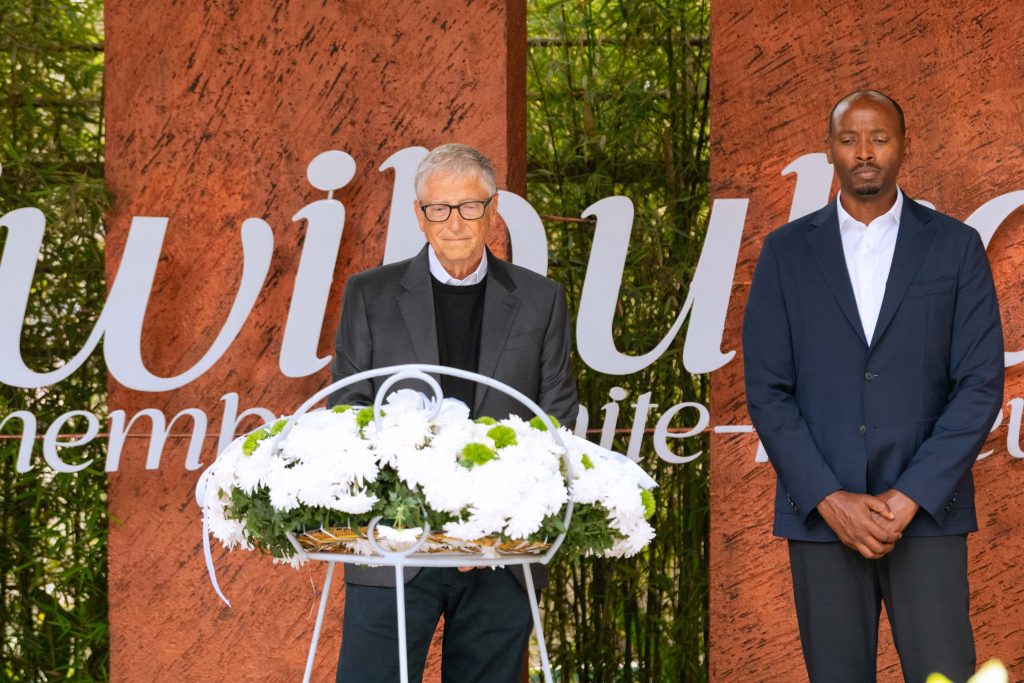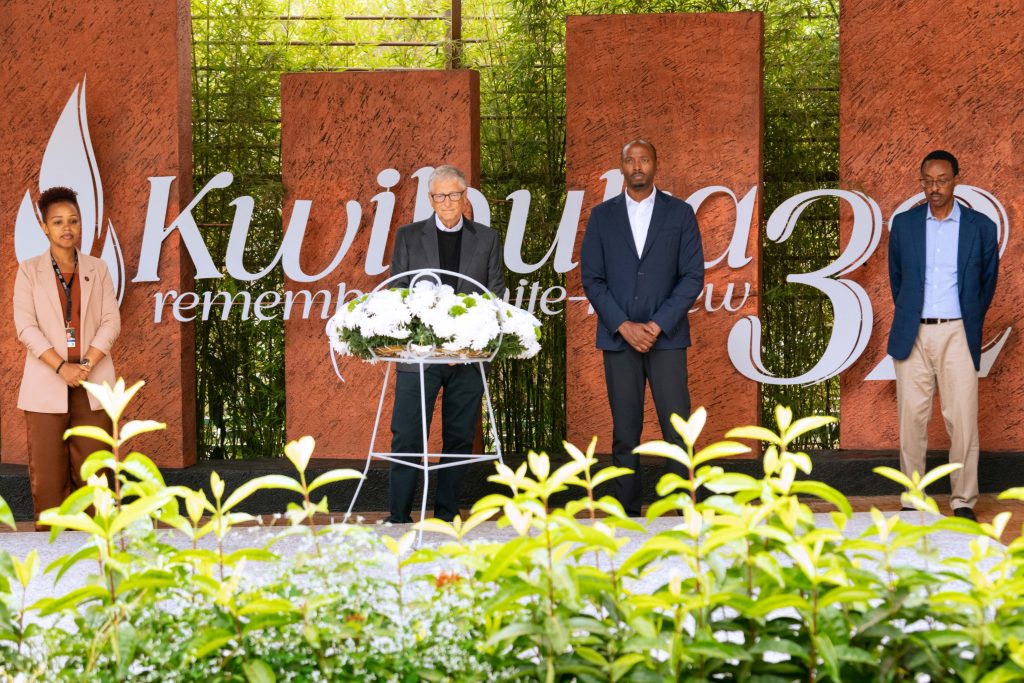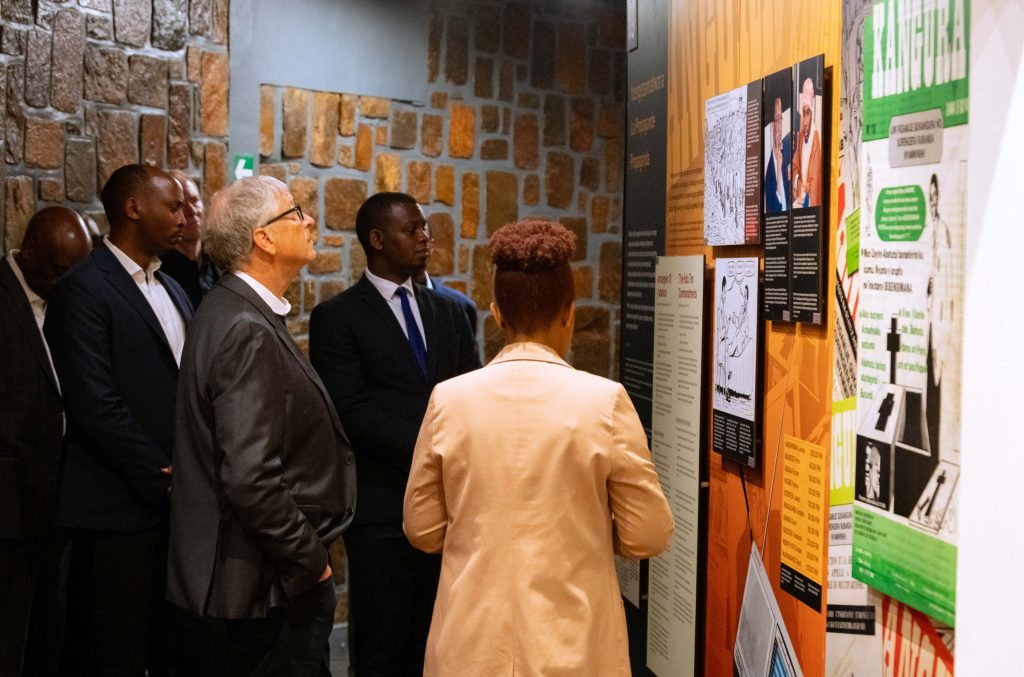
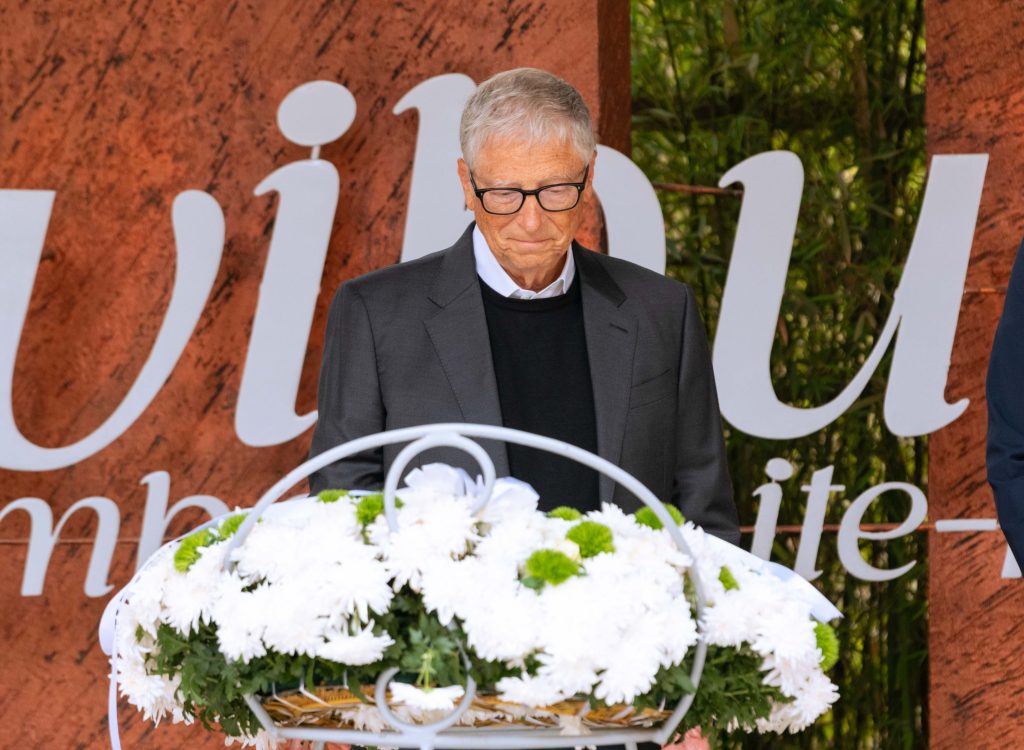

American philanthropist Bill Gates, who is currently on a visit to Rwanda, toured the Kigali Genocide Memorial in Gisozi, where he paid tribute to the more than 250,000 victims of the 1994 Genocide against the Tutsi who are buried at the site.
After the wreath-laying ceremony, Gates was briefed on the history of the Genocide against the Tutsi, including how it was planned and carried out, its devastating impact on Rwanda, and the country’s remarkable journey of recovery and reconstruction.
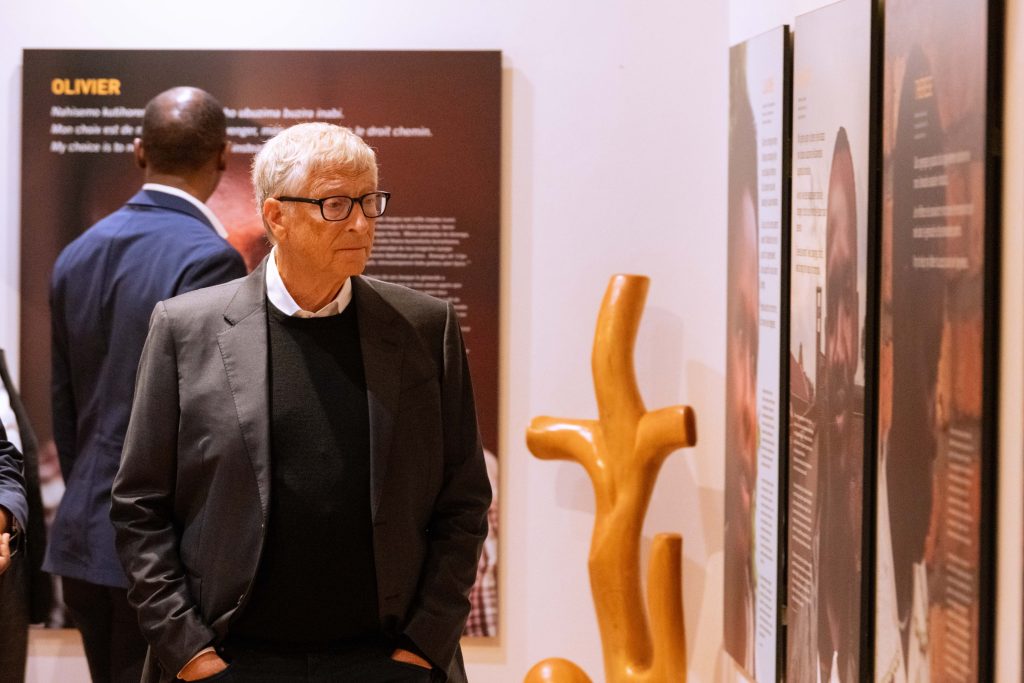
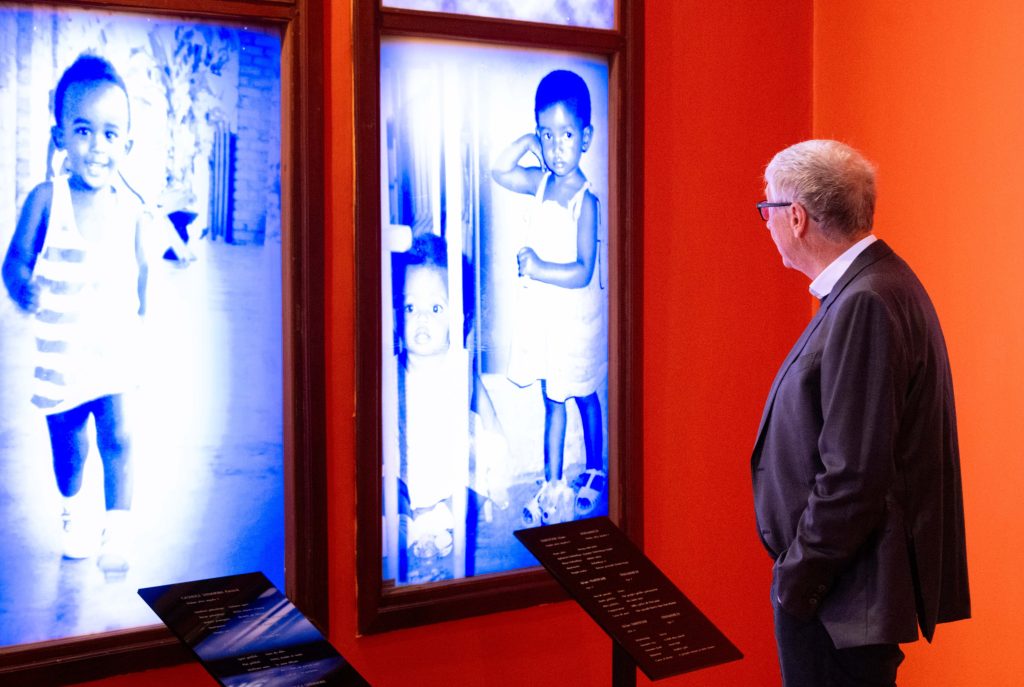
He toured several sections of the memorial, including exhibitions documenting the history of ethnic hatred and discrimination that led to the genocide, testimonies from survivors, the children’s memorial dedicated to young victims, and other permanent exhibits.
In a statement, the Kigali Genocide Memorial said:
“We welcomed Bill Gates to the Kigali Genocide Memorial, where he paid tribute to the victims of the Genocide against the Tutsi and laid a wreath at the mass graves.”
The visit gave Gates an opportunity to gain a deeper understanding of the profound impact the genocide had on Rwanda and its people, while also witnessing the country’s progress in rebuilding national unity, healing communities, and driving development.
The Kigali Genocide Memorial is one of Rwanda’s most significant memorial sites dedicated to preserving the history of the Genocide against the Tutsi. Together with the Murambi Genocide Memorial in Nyamagabe District, the Bisesero Genocide Memorial in Karongi District, and the Nyamata Genocide Memorial in Bugesera District, it has been inscribed on the UNESCO World Heritage List.
Gates is in Rwanda on a visit focused on healthcare and technology. During his trip, he has toured the TKMD syringe manufacturing plant in Rwamagana District, Mwulire Health Centre, and met with community health workers to learn about Rwanda’s advances in primary healthcare and local production of medical supplies.