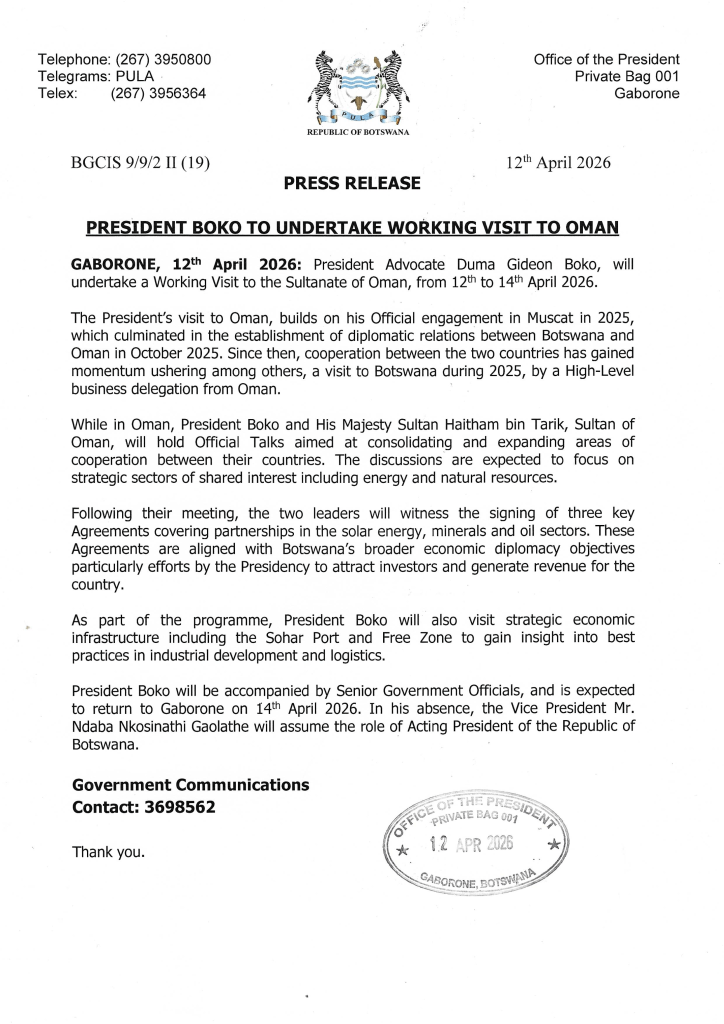

Botswana, is intensifying efforts to reduce its long-standing dependence on diamonds as it seeks to broaden its economic base and build resilience, following a series of strategic agreements signed with Oman during a high-level visit from 12 to 14 April 2026.
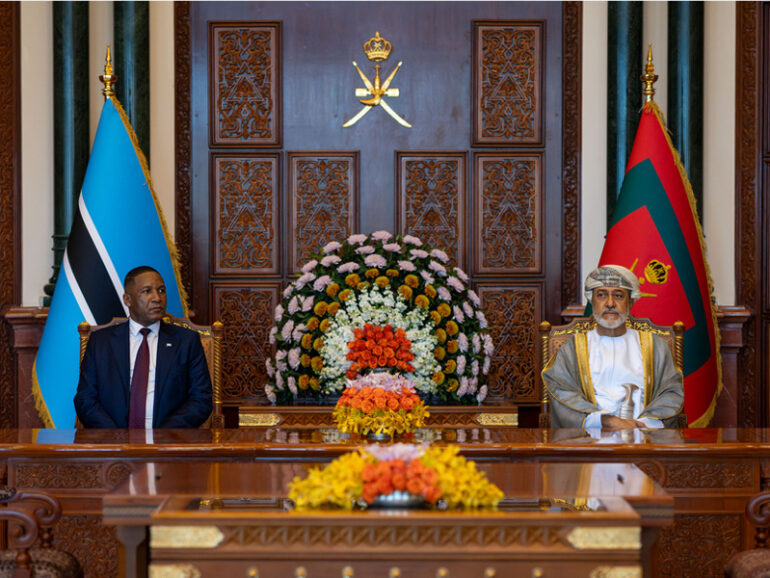
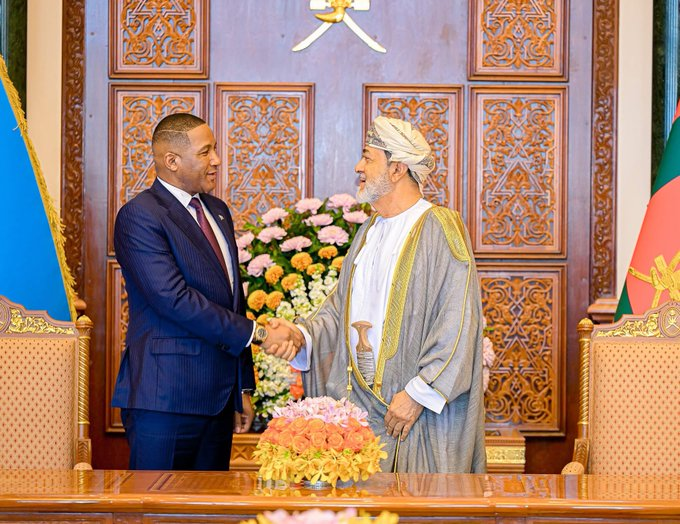
President of Botswana Duma Boko secured the deals during talks with Haitham bin Tariq, with both sides aiming to deepen bilateral cooperation and unlock new investment pathways in mining, energy, and infrastructure.
For decades, Botswana has relied heavily on diamond exports as the backbone of its economy. However, evolving global trends, including declining demand and increased competition from lab-grown diamonds, have started to weigh significantly on revenues.
As a result, the government is accelerating its diversification agenda, focusing on critical minerals such as copper, cobalt, and lithium, which are essential for renewable energy technologies and the global transition to cleaner energy.
In addition, a key agreement signed with Oman focuses on expanding mineral exploration across largely untapped regions. Officials estimate that more than 70% of Botswana’s land remains underexplored, suggesting significant potential for discoveries that could reshape the country’s mining sector.
At the same time, Botswana is strengthening cooperation in the energy sector to improve long-term sustainability. The agreements include plans to develop oil storage infrastructure, as well as invest in renewable energy initiatives.
Among the flagship projects is a proposed 500-megawatt solar power plant, which is expected not only to boost electricity generation but also to reduce reliance on imported energy. Furthermore, the project aligns with Botswana’s broader strategy to transition toward cleaner and more sustainable energy sources.
Meanwhile, challenges within the diamond industry continue to intensify. Oversupply in global markets and persistently weak demand have led to falling prices, thereby reducing government income and foreign exchange earnings.
Recent data shows that Botswana’s diamond stockpile has risen sharply, reflecting slower sales and limited recovery in the global market. Given that diamonds contribute a significant portion of national revenue, the downturn has highlighted the risks of overreliance on a single commodity.
Consequently, authorities are increasingly prioritizing economic diversification as a way to cushion the country against future external shocks.
Botswana is expected to maintain its position as a leading diamond producer while simultaneously expanding into new sectors with higher growth potential. The rising global demand for critical minerals presents a timely opportunity for the country to reposition itself within emerging global supply chains.
Analysts say Botswana’s growing engagement with Middle Eastern partners reflects a broader strategy to attract foreign investment, strengthen trade relationships, and enhance economic stability.
In the long term, the success of these initiatives will depend on how effectively the country balances its traditional strengths with new opportunities in energy and mineral development as it works to secure a more diversified and sustainable economic future.