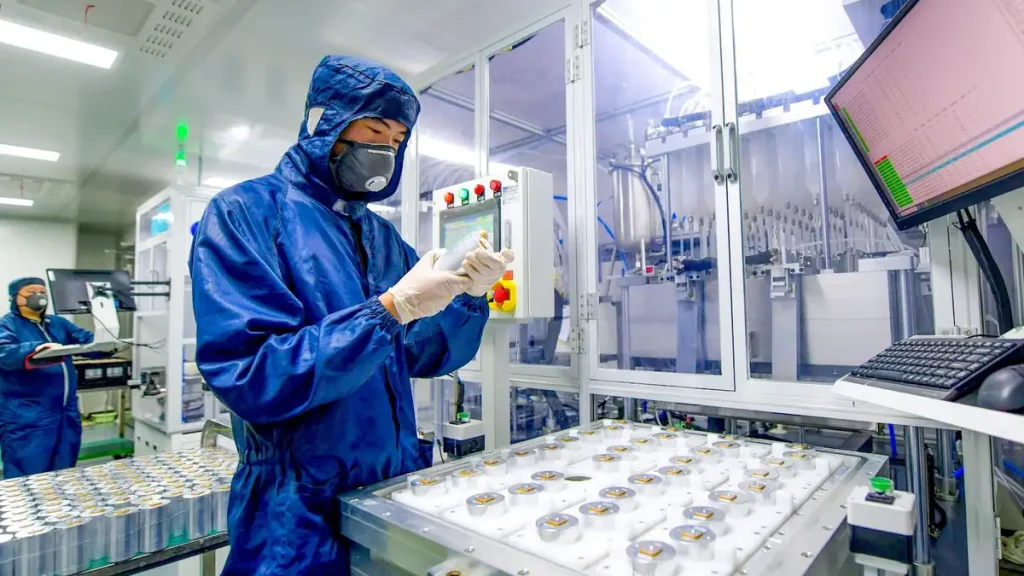


In April 2026, Lu was awarded the prestigious China Youth May Fourth Medal, a national honor recognizing outstanding achievements by young professionals.
He received the award for helping develop a sodium-ion battery capable of charging in approximately four minutes. The battery is also highly durable, retaining 90% of its capacity after more than 2,000 charging cycles.
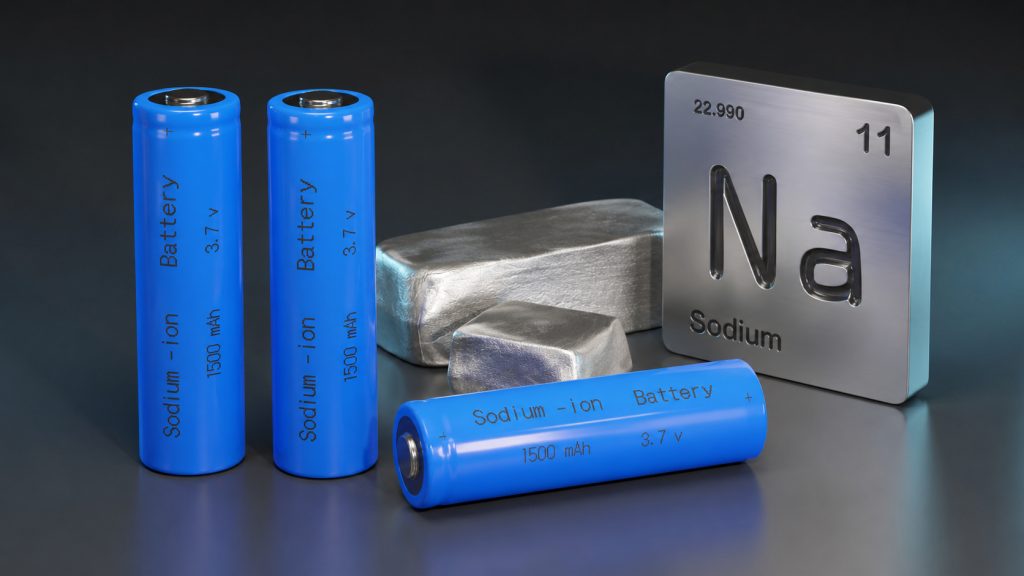
The innovation is particularly important for China, which imports nearly 75% of the lithium it uses. Sodium, by contrast, is far more abundant, can even be extracted from seawater, and is significantly cheaper than lithium.
In addition to Lu’s work, Chinese battery manufacturer Gotion recently announced the development of a sodium-ion battery that maintains strong performance even after 20,000 charge cycles, bringing sodium-based technology closer to competing with lithium batteries.
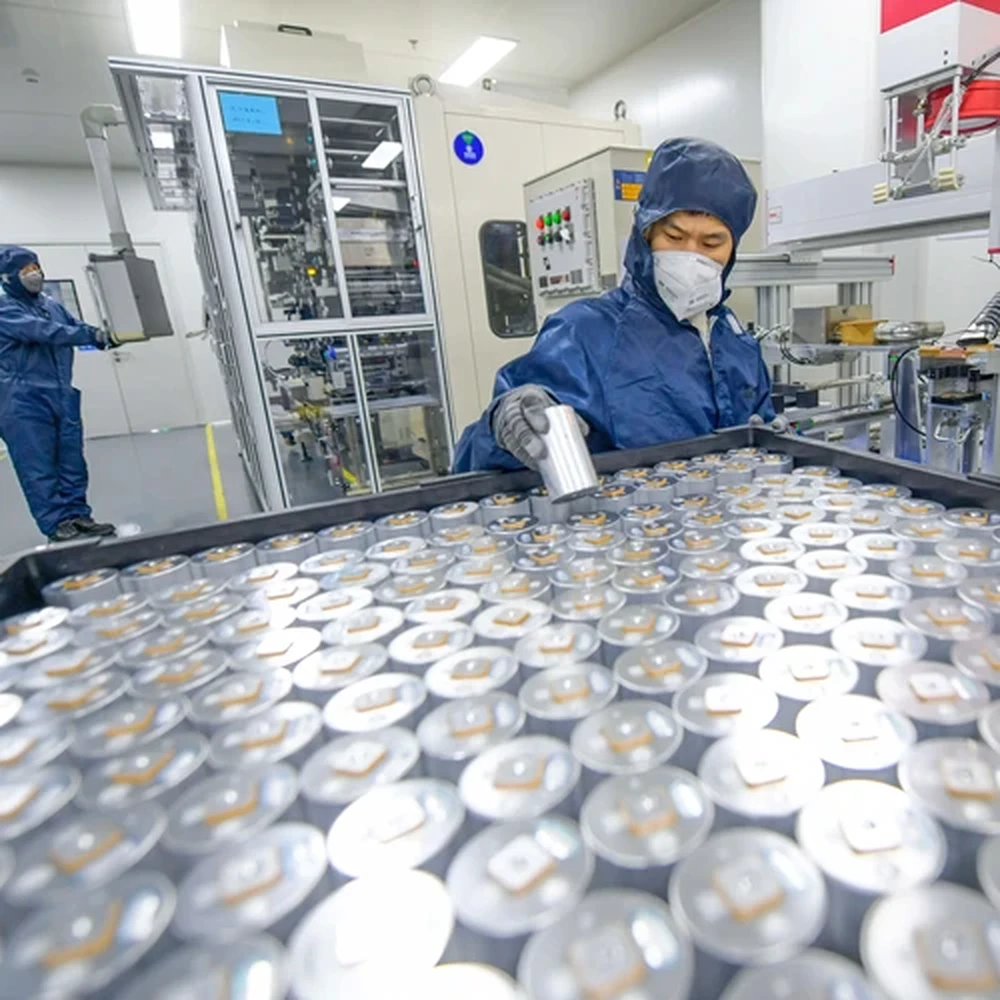
Sodium battery technology is already beginning to see large-scale deployment. China currently operates a major energy storage station powered by sodium-ion batteries, capable of supplying electricity to approximately 12,000 households.
Although sodium-ion batteries still store less energy than lithium batteries—typically around 150–175 Wh/kg, compared with 250–280 Wh/kg for some lithium batteries—experts say the technology is advancing rapidly.
Industry analysts expect sodium-ion batteries to reach cost parity with lithium batteries by 2027, making them even more competitive in global markets.
The new sodium battery technology could be used in a wide range of applications. It has strong potential for electric vehicles (EVs), particularly those requiring fast and affordable charging. It could also play an important role in renewable energy storage, helping store electricity generated from solar and wind power for use when demand is highest.
Beyond transportation and power grids, sodium-ion batteries could also be used in consumer electronics and other devices that require long-lasting battery performance. Because sodium is abundant and inexpensive, the technology could help lower battery production costs and reduce dependence on scarce mineral resources in the future.