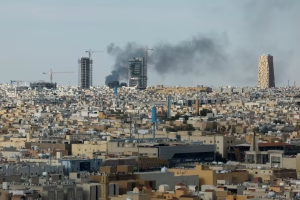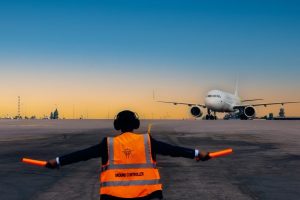

Dubai’s reputation as a safe and stable hub for international business is under unprecedented strain after Iran’s retaliatory strikes across the Gulf targeted key sectors of the emirate. Airports, hotels, and ports were hit, leaving residents and investors questioning the city’s promise of security in a volatile region, according to Reuters.
Dubai’s Promise: Stability Amid Regional Chaos
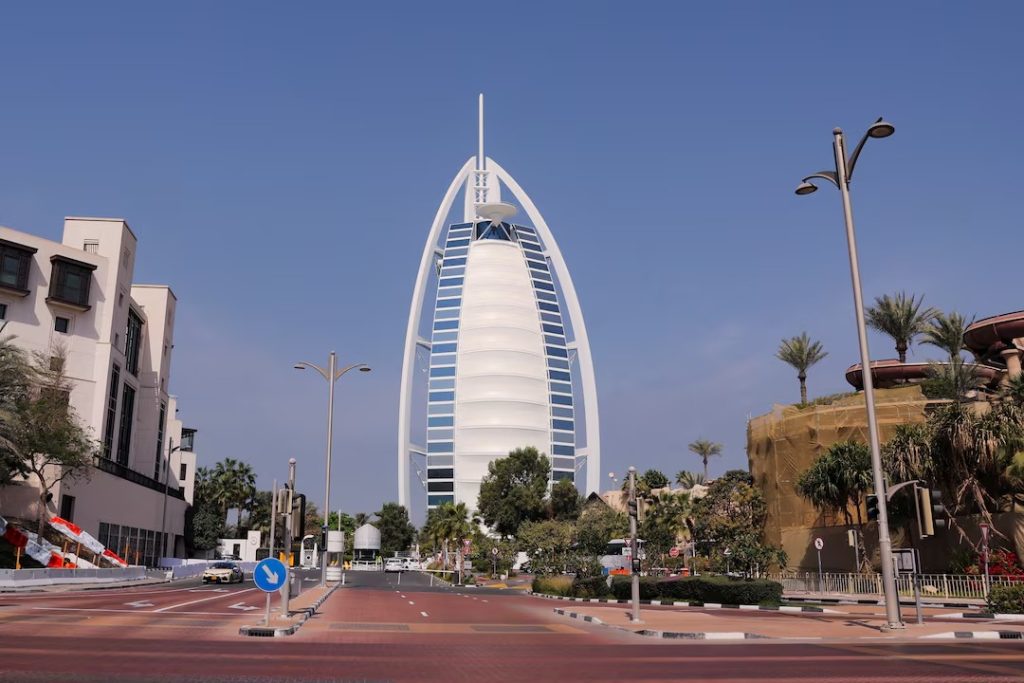
For decades, Dubai’s rise was built on an unspoken assurance: Middle Eastern conflicts would stop at its borders. The city’s gleaming skyline, tax-free salaries, and business-friendly policies attracted global talent and capital, establishing it as a reliable financial and tourism hub. The launch of Emirates Airlines in 1985, the opening of Burj Al Arab in 1999, and laws allowing foreign property ownership in the early 2000s were key milestones in cementing this “Brand Dubai.”
An Economy Beyond Oil
With oil now accounting for less than 2% of GDP, Dubai relies on trade, tourism, high-end real estate, and financial services. The Dubai International Financial Centre (DIFC) hosts over 290 banks, 102 hedge funds, 500 wealth management firms, and nearly 1,300 family-related entities, making the emirate a magnet for international capital.
Geopolitical Vulnerabilities Exposed
This weekend’s attacks highlighted Dubai’s geographic and geopolitical vulnerabilities. The Strait of Hormuz, through which roughly 20% of the world’s seaborne oil passes, lies nearby, and Iran remains a capable regional actor able to disrupt Gulf commerce.
The physical damage was significant: Dubai International Airport was forced to close temporarily, Jebel Ali Port sustained fire damage, and Burj Al Arab suffered from interceptor fragments. At least three people were killed, and 58 were injured, according to the UAE Ministry of Defence.
Psychological and Economic Impact
The psychological impact may be even more profound. “Dubai’s status as a safe-haven for expatriates and their businesses is in increasing doubt,” said Jim Krane, fellow at Rice University’s Baker Institute. “International capital is highly mobile. The longer the war continues, the more intense the search will be for alternative locations.”
Financial markets also faced disruption, with Abu Dhabi and Dubai stock exchanges closing on March 2 and 3. Banking operations were affected by tech outages following hits to Amazon’s cloud facilities. Investment firms have begun contingency planning, including potential layoffs and a reconsideration of local operations. Demand for gold surged as investors sought safe assets.
Will Dubai Retain Its Global Appeal?
Despite these challenges, some analysts believe the UAE’s strong policy response could mitigate long-term capital flight. “Historically, markets like the UAE have demonstrated resilience during crises, supported by strong governance,” said Madhur Kakkar, founder of Elevate Financial Services. “A broad structural reallocation of institutional capital away from the UAE appears unlikely unless tensions escalate materially or persist for an extended period.”
Dubai’s future as a global safe-haven will depend on the duration and intensity of the conflict. For now, the city faces a test that could redefine its decades-long promise of stability in a turbulent region.