
As the U.S.-Israeli conflict with Iran intensifies, European powers and Japan have announced coordinated efforts to stabilize energy markets and secure the Gulf’s strategic chokepoints. The announcement comes after Iranian missile strikes on Qatar’s Ras Laffan Industrial City, following Israel’s attack on Iran’s South Pars gas field, triggered a dramatic surge in global energy prices.
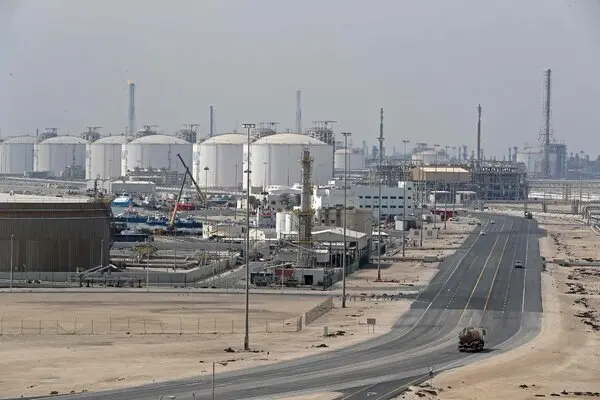
Ras Laffan, one of the world’s largest liquefied natural gas (LNG) processing hubs, suffered extensive damage, impacting about a fifth of global LNG supply. The Iranian strikes have disrupted Qatar’s gas exports, with QatarEnergy estimating that one-sixth of its annual LNG capacity worth $20 billion has been knocked out. Repairs could take three to five years.
The escalating crisis has sent oil prices jumping nearly 10% before easing slightly, while European gas prices surged more than 15% in a single session. Stock markets also reacted: Japanese and South Korean indices fell around 3%, the pan-European STOXX index dropped 2.3%, and the Dow Jones fell about 1%.
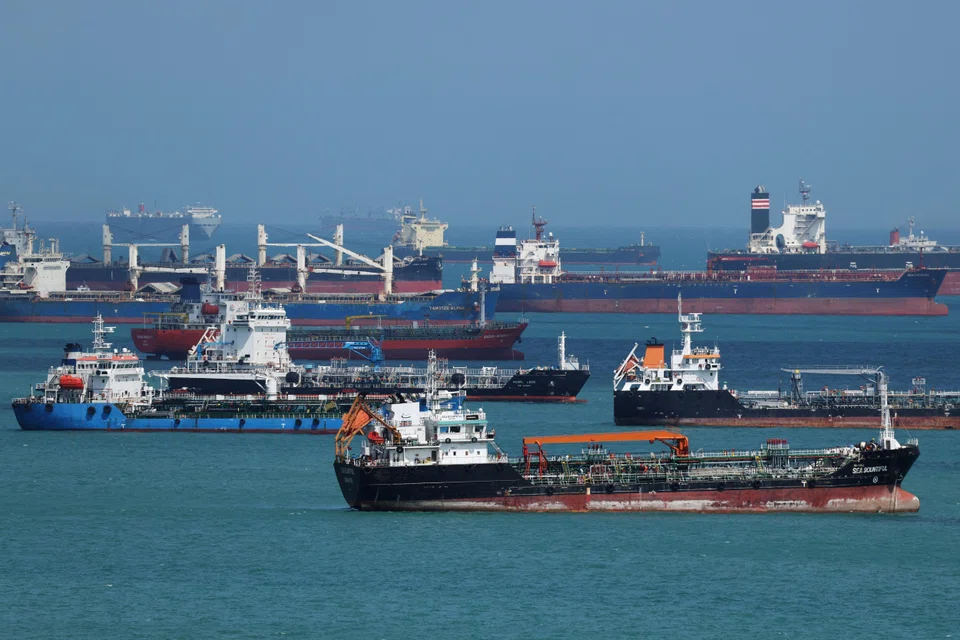
In a rare show of unity, Britain, France, Germany, Italy, the Netherlands, and Japan issued a joint statement expressing readiness to contribute to “appropriate efforts to ensure safe passage through the Strait of Hormuz” and to stabilize energy markets. Officials indicated they would work with producing nations to increase output, though no further specifics were provided.
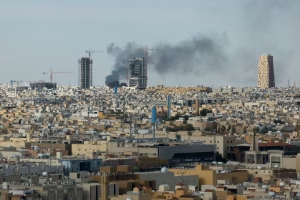
The conflict highlights strategic vulnerabilities in the Gulf. Saudi Arabia’s main Red Sea port, used to divert exports after Iran effectively closed the Strait of Hormuz, also faced attacks. Iran’s actions underscore its capability to exact a heavy toll and expose the limits of regional air defenses protecting critical energy infrastructure.
U.S. and Israeli objectives in the conflict appear misaligned. President Donald Trump stated that the U.S. had no prior knowledge of Israel’s strike on South Pars, while former U.S. Defense Secretary Tulsi Gabbard noted differing aims between Washington and Tel Aviv: Israel has focused on Iranian leadership, while the U.S. aims to dismantle Iran’s missile capabilities and navy.
The crisis has also prompted economic concerns. Central banks in Europe, including the European Central Bank and Bank of England, have kept interest rates steady amid fears of lasting inflation pressures. EU leaders are exploring measures to mitigate higher energy costs for both consumers and industries.
Iran has escalated attacks, targeting UAE’s Habshan gas facility and Kuwait’s oil refineries, while Saudi Arabia intercepted a ballistic missile aimed at Yanbu. Israel reported damage to oil facilities at Haifa port, though no casualties occurred. Tehran’s military warned that further strikes would continue until U.S.-linked energy infrastructure is fully disabled as reported by Reuters.
Amid this volatile backdrop, the international community is grappling with how to maintain energy stability while avoiding deeper entanglement in the region. European powers and Japan now signal a willingness to step in — a notable shift from prior hesitancy to join the U.S. in enforcing security in the Gulf.