

Europe is moving closer to developing new toll-based shipping routes as Turkey continues work on its £20 billion Istanbul Canal project, a major infrastructure plan that could reshape global trade at a time of rising tension in key maritime routes.
The planned canal would run parallel to the Bosphorus Strait, connecting the Black Sea and the Sea of Marmara. It is designed to function as an artificial waterway similar to the Suez Canal, allowing Turkey to charge ships for passage and generate long-term revenue.
The project is gaining attention as global concern grows over instability in strategic shipping routes such as the Strait of Hormuz, where tensions have already disrupted energy and trade flows.
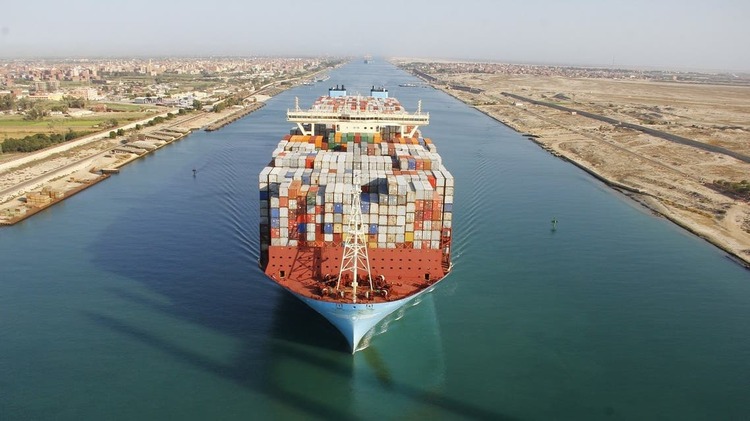
The idea behind the Istanbul Canal is strongly influenced by the success of Egypt’s Suez Canal, which earns billions of dollars every year from global shipping traffic.
As canal revenues continue to grow worldwide, more countries are now considering similar projects that can both improve trade control and create a steady national income through transit fees.
However, international law draws a clear line between natural straits and man-made canals. Ships passing through natural waterways are generally allowed free transit, while countries can charge fees only on artificial canals built within their territory.
This legal difference is key to Turkey’s plan, as the Istanbul Canal would be an artificial route, giving Ankara the right to introduce tolls once it becomes operational.
At the same time, discussions around charging ships in natural waterways, such as reported proposals linked to the Strait of Hormuz, have raised concern among global maritime experts, who warn it could destabilise international shipping rules.
Rising geopolitical tensions, especially in the Middle East, are already affecting global shipping. Delays, higher insurance costs, and longer travel times are becoming more common as companies avoid high-risk routes.
As a result, countries and investors are increasingly looking at alternative routes and new infrastructure projects to secure trade flows and reduce dependence on vulnerable chokepoints.
If completed, the Istanbul Canal could become one of the most significant new shipping corridors in Europe. It also highlights a broader global trend: countries seeking more control over maritime trade as geopolitical uncertainty continues to grow.
For now, however, the project remains closely watched as governments balance economic opportunity with legal and environmental concerns.


