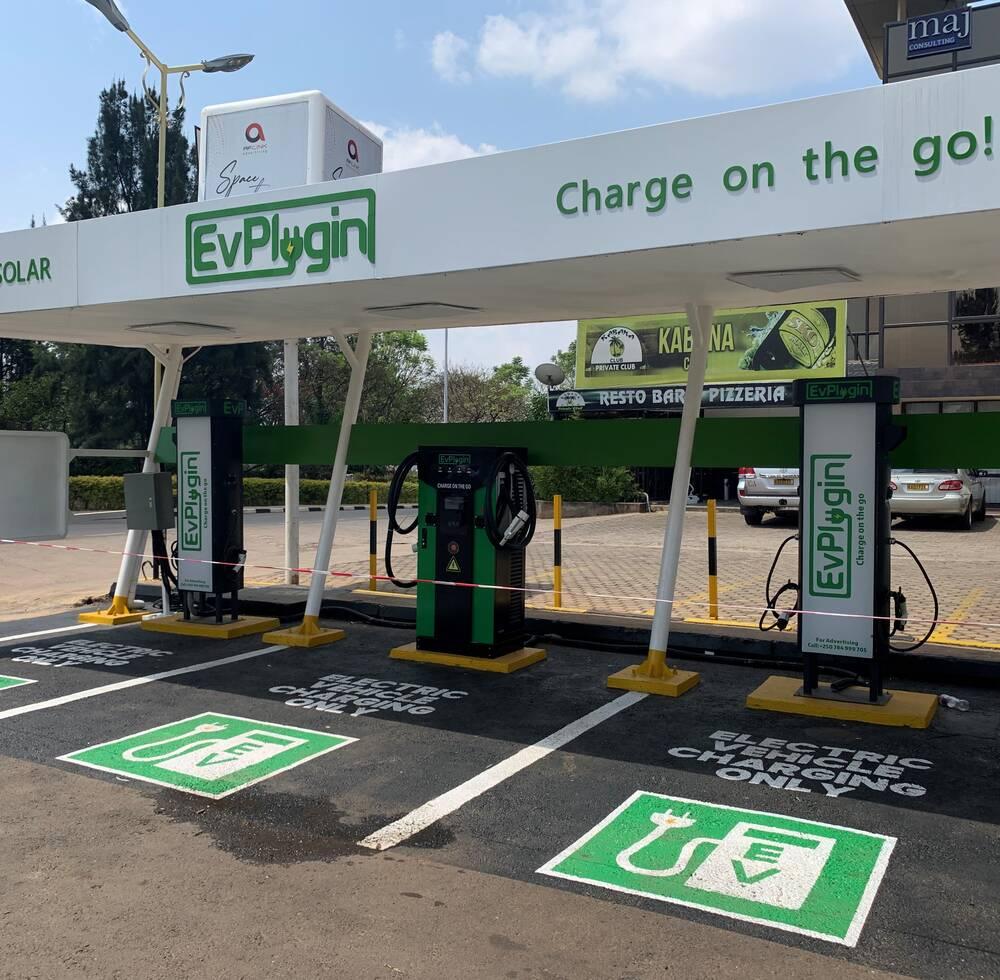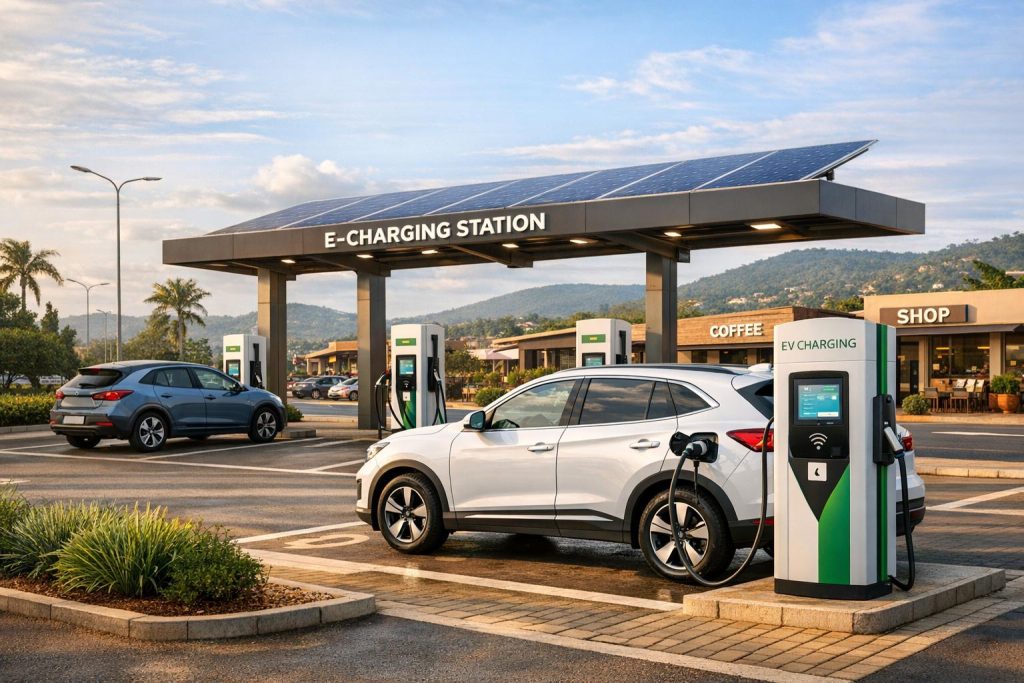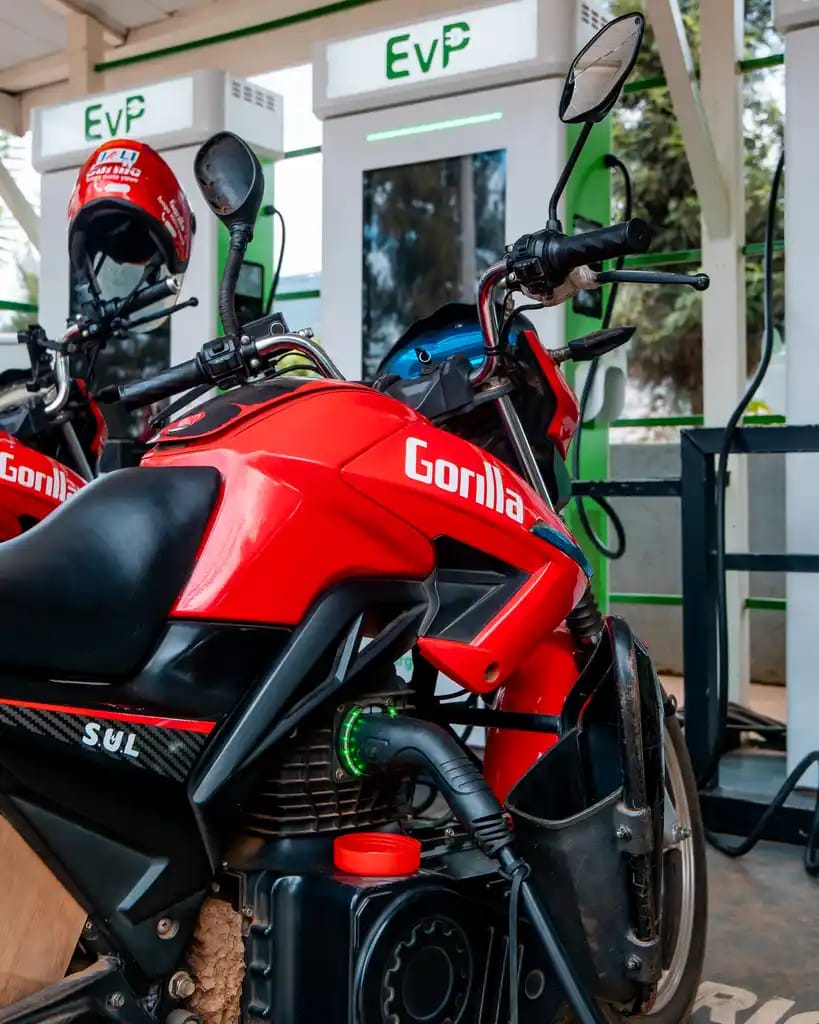
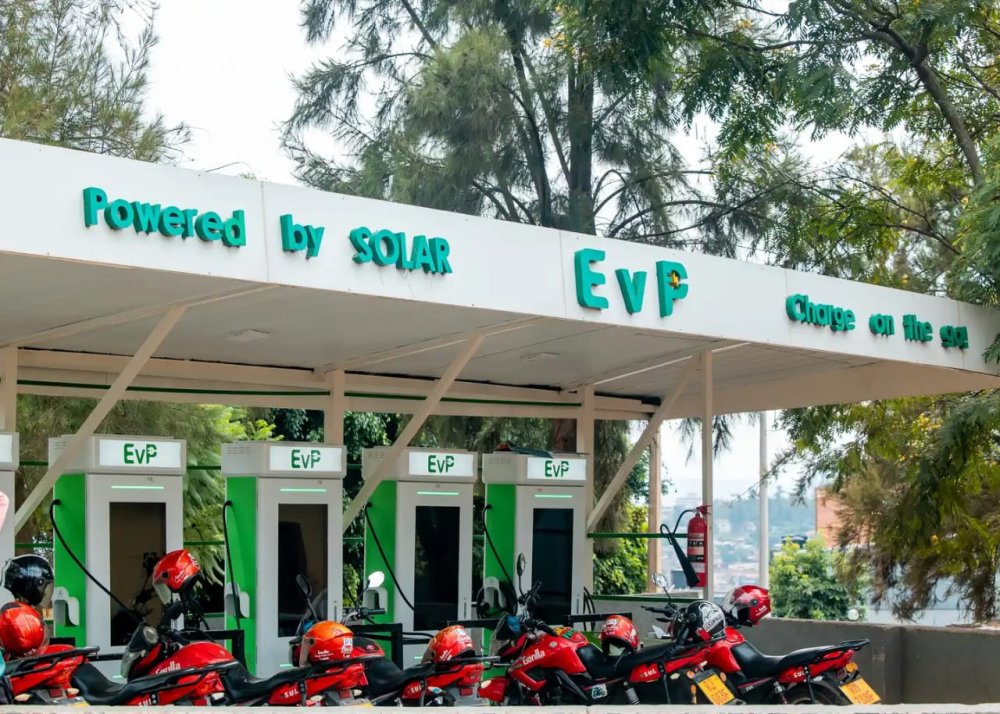

The new facilities will add to the company’s existing network of 115 charging stations, comprising 95 stations dedicated to electric motorcycles and 20 serving electric vehicles, which are already operating in different parts of the country.
According to the company’s management, the expansion is intended to extend charging infrastructure to areas that currently lack such services, ensuring that residents and motorists travelling through those regions can conveniently recharge their electric vehicles.
The Chief Executive Officer of EVP Charging Stations, Ike Erhabor, said the company plans to establish the additional stations in several districts across the country to improve accessibility for EV users.
“We have plans to build more charging stations in areas where they are not yet available, including Nyagatare, Musanze and Rusizi. Our goal is to ensure that these stations are completed and operational before the end of this year,” Erhabor said.
He further explained that EVP aims to install charging stations at intervals of approximately 100 kilometres, ensuring that electric vehicle owners can travel without concerns about where to recharge their vehicles.
In line with advancements in digital technology, EVP has also introduced a technology-based system designed to help customers easily locate charging stations, identify the nearest facilities and plan their journeys more efficiently.
Launched in June 2026, the platform is available on both Android and iOS devices. Through the application, users can access information about charging points and pay for services electronically.
EVP’s initiatives extend beyond supporting Rwanda’s environmental ambitions through the expansion of electric mobility infrastructure. The company has also prioritised women’s economic empowerment by creating employment opportunities for women and girls.
According to EVP, around 170 women and girls currently work as agents, assisting customers seeking electric vehicle charging services at various stations across the country.
The continued growth of charging infrastructure is expected to encourage greater adoption of electric vehicles in Rwanda by addressing one of the main concerns among potential users—access to reliable and convenient charging facilities.
Rwanda has increasingly promoted electric mobility as part of its efforts to reduce greenhouse gas emissions, improve air quality and transition towards cleaner and more sustainable modes of transport. Expanding the charging network is considered a critical step in supporting this transition and boosting confidence among consumers interested in switching to electric vehicles.