
The decline was driven by a preliminary agreement between Washington and Tehran aimed at ending hostilities, reopening the Strait of Hormuz, and easing sanctions imposed on Iran.
The deal, which is expected to be signed on June 19, has boosted investor confidence that more oil supplies could return to international markets, helping to ease concerns over shortages.
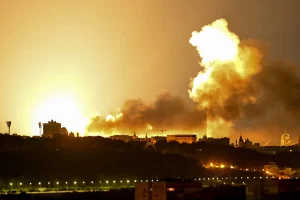
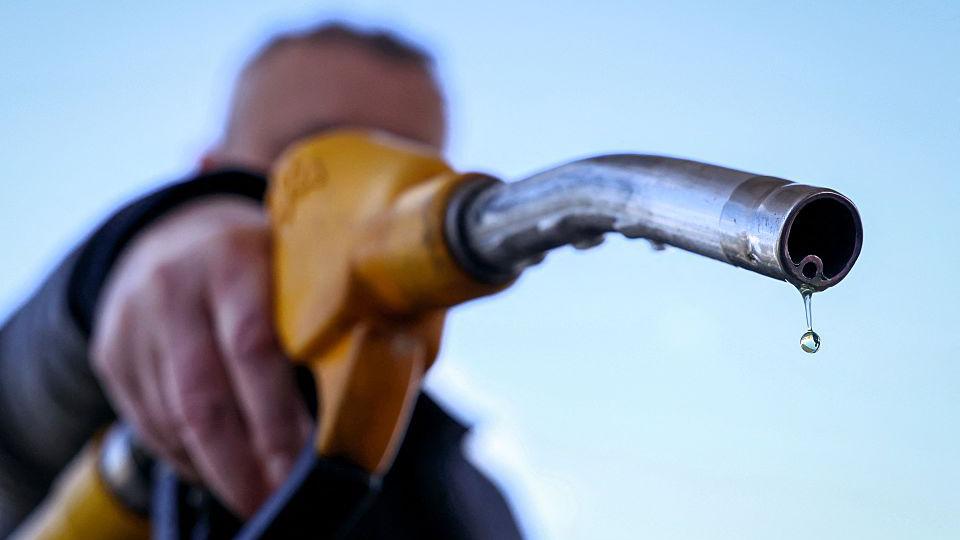
The price of a barrel of crude oil dropped by $1.59, or 2%, to $77.96. This marks the lowest level recorded since March 2, 2026, the first trading day after the initial major strikes launched by the United States and Israel against Iran.
The 14-point preliminary agreement provides for a 60-day ceasefire and continued negotiations on a broader accord that would include commitments to halt further attacks and address compensation for war-related damages in Iran.
During the 60-day period, Iran is expected to reopen the Strait of Hormuz to commercial shipping, while the United States will withdraw forces that had been deployed around the strategic waterway. Roughly 20% of the world’s daily oil supplies and a large volume of global trade pass through the strait.
The agreement also stipulates that maritime traffic through the Strait of Hormuz should be fully restored within 30 days.
Managing Director of the International Monetary Fund (IMF), Kristalina Georgieva, said oil prices could continue to decline, though not at a rapid pace. She explained that many countries still need to replenish their strategic oil reserves, while global shipping routes will require time to return to normal operations.
Meanwhile, Executive Director of the International Energy Agency (IEA), Fatih Birol, stressed the importance of ensuring that negotiations between the United States and Iran are successfully concluded within the agreed 60-day period.
Analysts say the easing of tensions in the Middle East has reduced fears of disruptions to energy supplies, which had previously pushed oil prices sharply higher. However, they caution that markets remain sensitive to developments in the region and that any collapse in talks could quickly reverse the downward trend in prices.
Investors and energy experts are expected to closely monitor the implementation of the agreement, viewing it as a crucial step toward restoring stability to global energy markets and easing inflationary pressures worldwide.