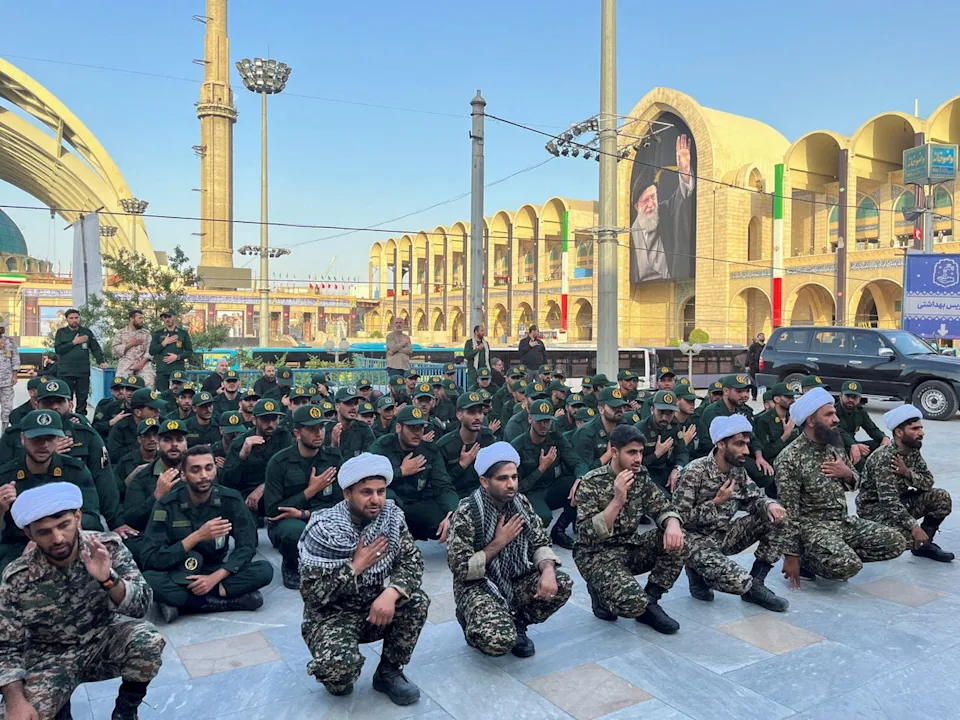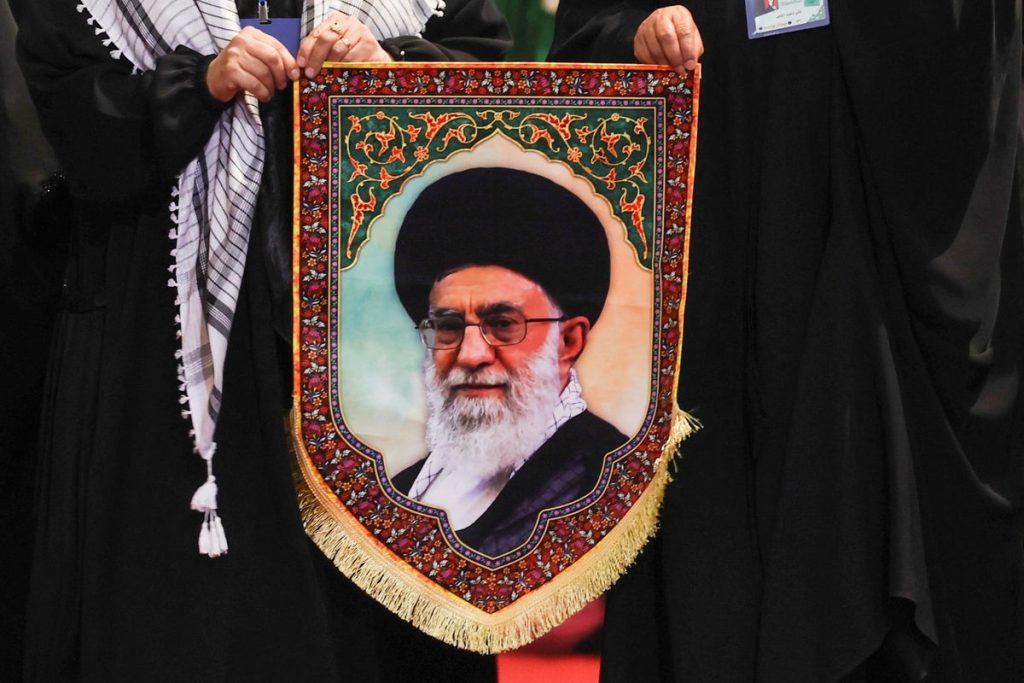

Iran has begun a week-long state funeral for former Supreme Leader Ali Khamenei, with millions of mourners expected to participate in ceremonies that will conclude with his burial at the Imam Reza Shrine in the northeastern city of Mashhad on July 9.
The ceremonies opened in Tehran, where Khamenei’s body was placed in state at the Imam Khomeini Mosalla as thousands of Iranians gathered to pay their respects. Funeral processions are scheduled to continue through the holy city of Qom before moving to the Iraqi Shiite cities of Najaf and Karbala for religious commemorations. The body will then return to Iran for its final burial in Mashhad, Khamenei’s birthplace and home to the revered Imam Reza Shrine, one of Shiite Islam’s holiest sites.
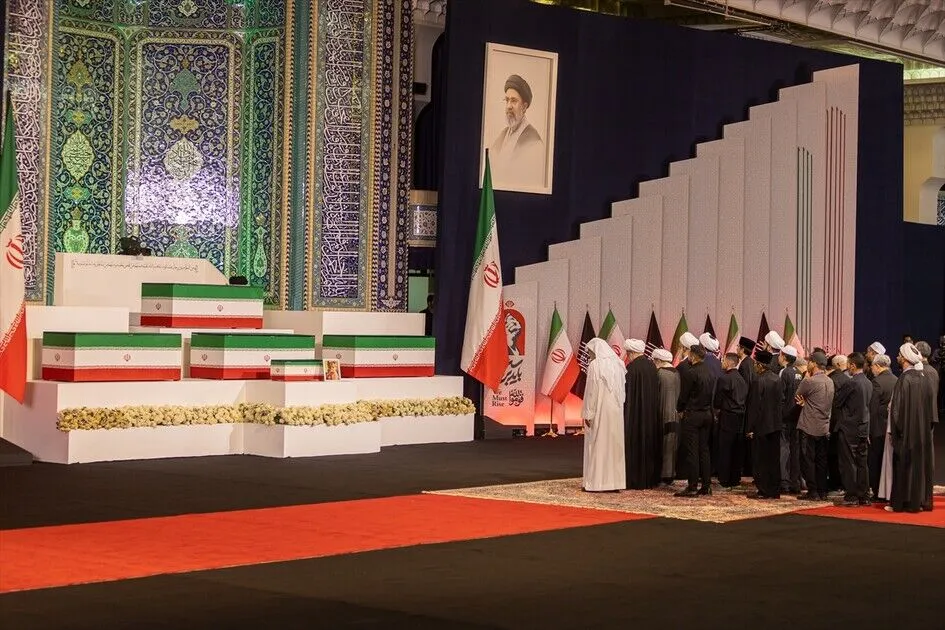
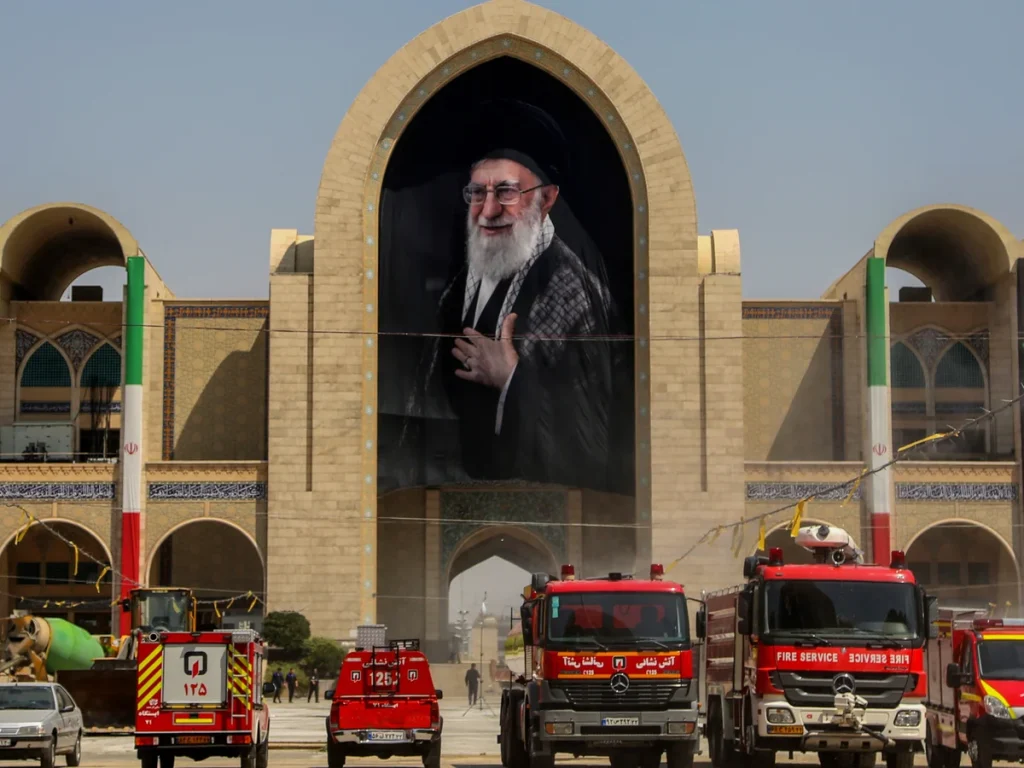
Iranian authorities have implemented extensive security measures across major cities as they prepare for what could become the country’s largest state funeral. Officials expect millions of mourners to attend over the six-day ceremony, while emergency services and security forces remain on high alert to manage the large crowds and ensure public safety.
The funeral carries both religious and political significance. Beyond honoring Khamenei’s legacy, the ceremonies are expected to project national unity following months of conflict and internal uncertainty. The events also coincide with the Islamic month of Muharram, a period of mourning that holds special importance in Shiite Islam, adding further religious symbolism to the proceedings.
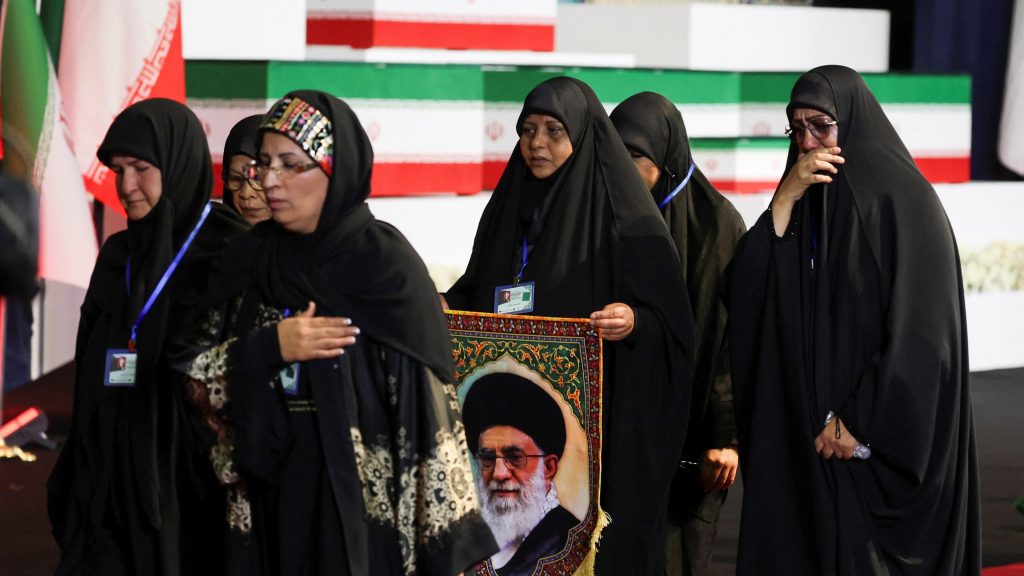
Delegations from several countries, including regional allies and partners such as Russia, China and India, are expected to attend or send representatives to the ceremonies. India has confirmed it will dispatch a high-level delegation, describing the move as a reflection of the longstanding ties between New Delhi and Tehran.
Khamenei died on February 28 during the opening stages of the conflict involving Iran, the United States and Israel. His burial was initially expected shortly after his death but was postponed for several months due to the ongoing war and security concerns. The delay made the funeral one of the longest-postponed state burials in Iran’s modern history.
Attention is also focused on Iran’s political future as the country continues its leadership transition. Analysts say the funeral is likely to serve as both a farewell to one of Iran’s most influential leaders and a demonstration of stability as the Islamic Republic enters a new chapter.