
Iran said on Wednesday that it had received a US response to its latest proposal to restore a ceasefire in the Gulf.
The development comes days after US President Donald Trump said he had rejected the Iranian proposal. Iran’s Foreign Minister Abbas Araqchi had earlier said Tehran had not received a formal rejection.
The two sides held indirect talks last week through Qatari mediators during the United Nations meetings in New York. An official familiar with the discussions said both sides broadly agree on the steps needed for a deal but still disagree over the order in which those steps should happen.
Iran’s proposal calls for the United States to lift its blockade of Iranian ports, while Tehran would reopen the Strait of Hormuz within seven days.
The strait is a key route for global energy supplies. Shipping through the waterway has increased in recent weeks, but oil, gas and other energy shipments remain below normal levels because of security concerns.
Britain’s maritime security agency reported that two ships were hit by projectiles on Tuesday, adding to concerns over shipping in the area.
The latest diplomatic efforts are aimed at bringing back an interim ceasefire agreement that collapsed weeks after it was signed by Trump and Iranian President Masoud Pezeshkian in June.
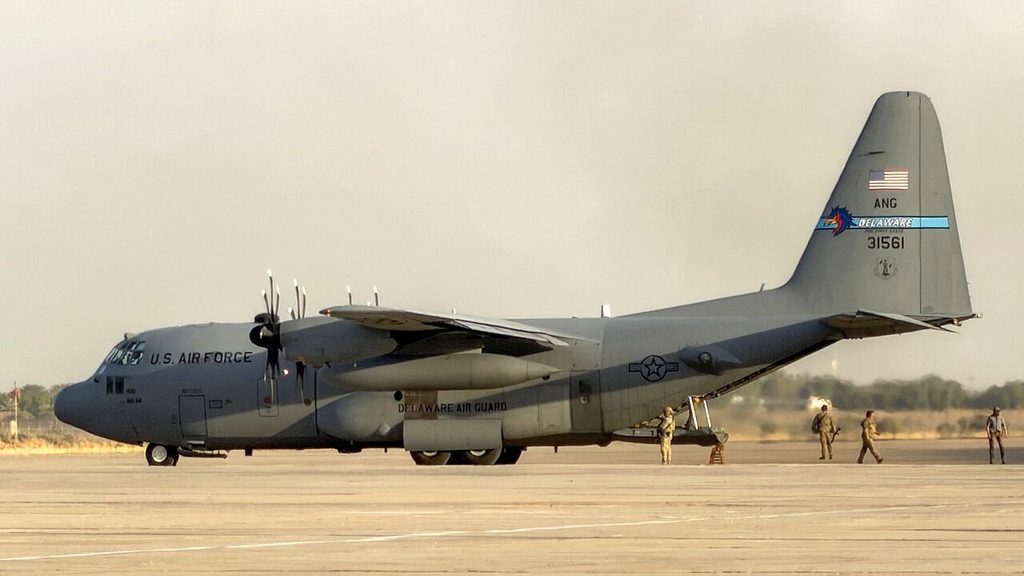
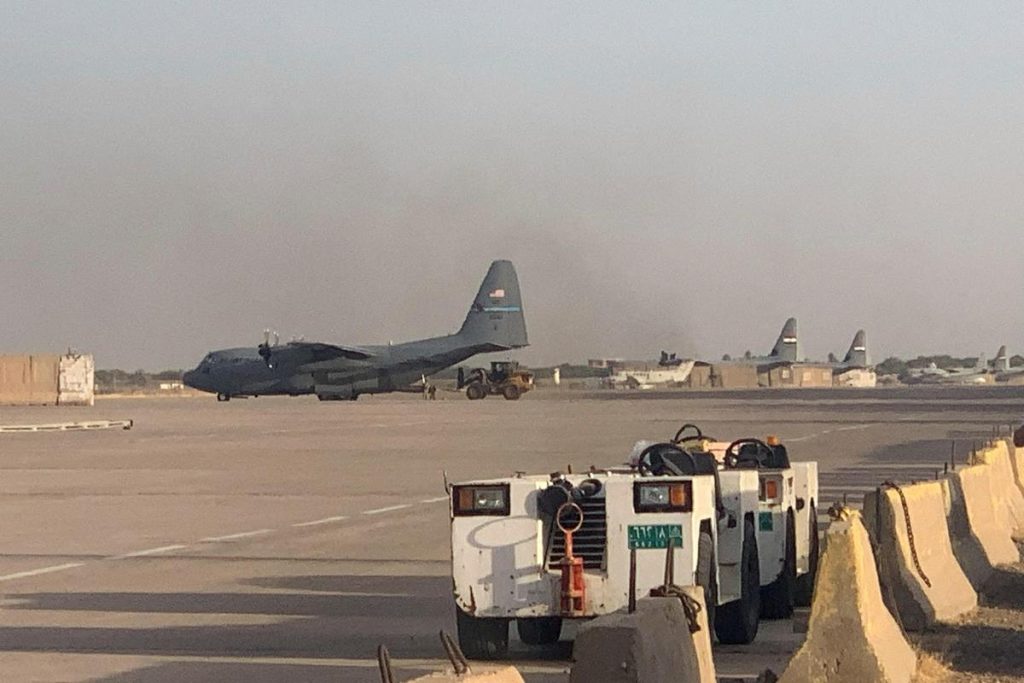
At the same time, the United States has completed the withdrawal of its remaining forces from Iraq. The move follows a plan agreed in 2024 and marks the end of more than two decades of US military presence in the country.
Iran and its allied armed groups in Iraq welcomed the withdrawal, describing it as a setback for Washington. The United States has accused Iran-backed groups in Iraq of carrying out attacks against US and regional interests.
The US departure comes as the conflict involving Washington, Israel and Iran enters its eighth month. The fighting has disrupted energy supplies and contributed to higher fuel prices.
Iran’s Islamic Revolutionary Guard Corps has also called on American voters to oppose politicians who support the war.
Despite the tensions, the latest exchange between Tehran and Washington shows that diplomatic channels remain open, although important disagreements over a possible ceasefire and the Strait of Hormuz remain unresolved.