
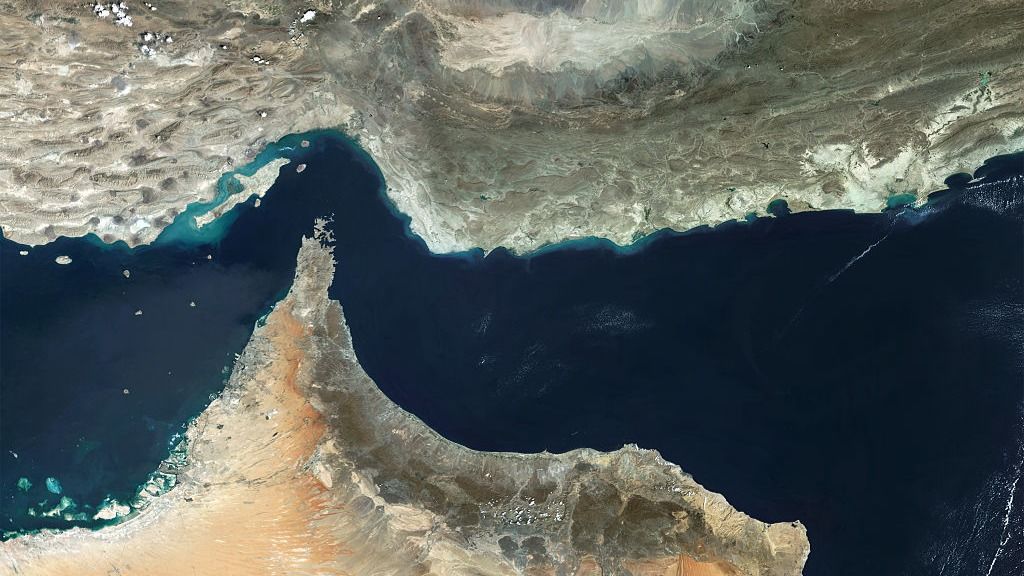

In a statement shared on social media, Araghchi said that following Israel’s agreement to halt military operations in Lebanon, “the route is now open for commercial ships passing through the Strait of Hormuz for the entire period of the ceasefire, along approved navigation channels set by Iran’s Ports and Maritime Organization.”
Fighting between Israel and Hezbollah, an Iran-backed group based in Lebanon, began on March 2, with the group supporting Tehran’s government. The conflict has reportedly claimed more than 2,100 lives and left thousands injured.
Israel and Lebanon agreed that the ceasefire would begin on April 16 and last for 10 days, in what was described as a step toward achieving long-term security and a potential peace agreement. However, Israel warned that it reserves the right to suspend the ceasefire if its security is threatened.
Following the agreement, Iran moved to reopen the Strait of Hormuz, at least for the 10-day ceasefire period. The strategic waterway handles around 20% of the world’s oil supply and is critical for major economies such as Japan, China, South Korea, and India, all of which rely heavily on the route for energy supplies.


