
The conflict between Israel and Iran intensified this Thursday as both sides launched fresh attacks, while diplomatic tensions and humanitarian concerns continued to grow across the Middle East.
New Missile Attacks Overnight
Iran fired several missiles toward Israel overnight, triggering air raid sirens in major cities, including Tel Aviv and Jerusalem. Israeli air defence systems intercepted most of the incoming rockets, and there were no immediate reports of casualties.
In response, Israel’s military announced a new “wave of strikes” targeting Iranian military infrastructure in Tehran, saying the attacks were aimed at weakening Iran’s missile capabilities and launch sites.
Fighting Expands Across the Region
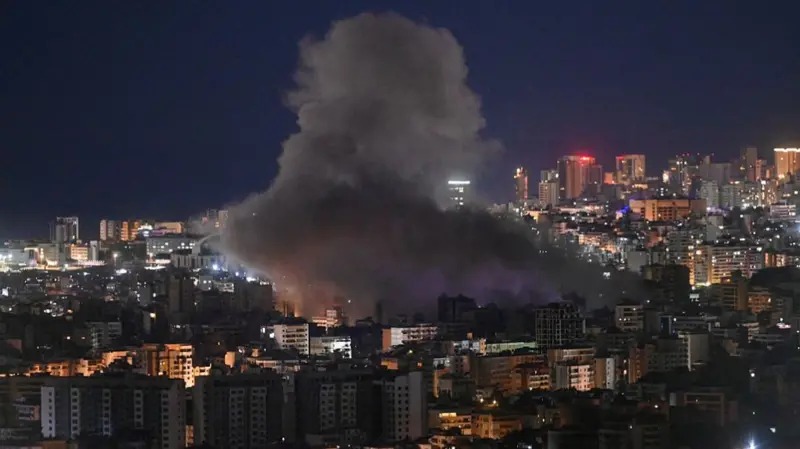
The conflict is increasingly affecting other parts of the Middle East. Israeli forces also carried out air strikes in Beirut’s southern suburbs, a stronghold of Hezbollah, where Lebanese officials reported that three people were killed and six others injured near the road leading to Beirut’s international airport.
The escalating violence has forced tens of thousands of civilians to flee. According to the UN Refugee Agency, more than 100,000 people left Tehran in the first two days after the latest attacks, while over 80,000 people have been displaced in Lebanon.
US Involvement and Military Losses
Meanwhile, the United States confirmed that six American soldiers were killed after an Iranian drone struck a command centre in Port Shuaiba, Kuwait, earlier in the conflict.
The Pentagon also revealed that a US submarine sank an Iranian warship in the Indian Ocean, releasing footage of the strike. The vessel, identified as the Iris Dena, reportedly had around 180 people on board, with 32 rescued and about 80 bodies recovered so far, according to Sri Lankan authorities, as reported by BBC News.
Political Tensions in Washington
In Washington, US lawmakers voted 47–53 against a war powers resolution that would have limited President Donald Trump’s authority to carry out further military action against Iran. The vote largely followed party lines, though the debate over congressional oversight of the war is expected to continue.
Global Impact and Travel Disruptions
The conflict is also disrupting global travel and trade. Airspace closures across the Middle East have left many travellers stranded, while a UK-chartered flight meant to evacuate British citizens from Oman was delayed due to a technical issue.
Shipping routes are also affected. Around 20,000 seafarers are currently trapped near the Strait of Hormuz, a crucial channel through which nearly 20% of the world’s oil supply passes.
Rising Humanitarian Concerns
As the fighting enters its sixth day, humanitarian organisations warn that the situation could worsen if the conflict continues to spread. Civilians in Iran have told reporters that Tehran feels increasingly empty, as residents flee the capital in search of safety.
International leaders have called for de-escalation, but so far, the attacks between Israel, Iran, and their regional allies show no sign of stopping.