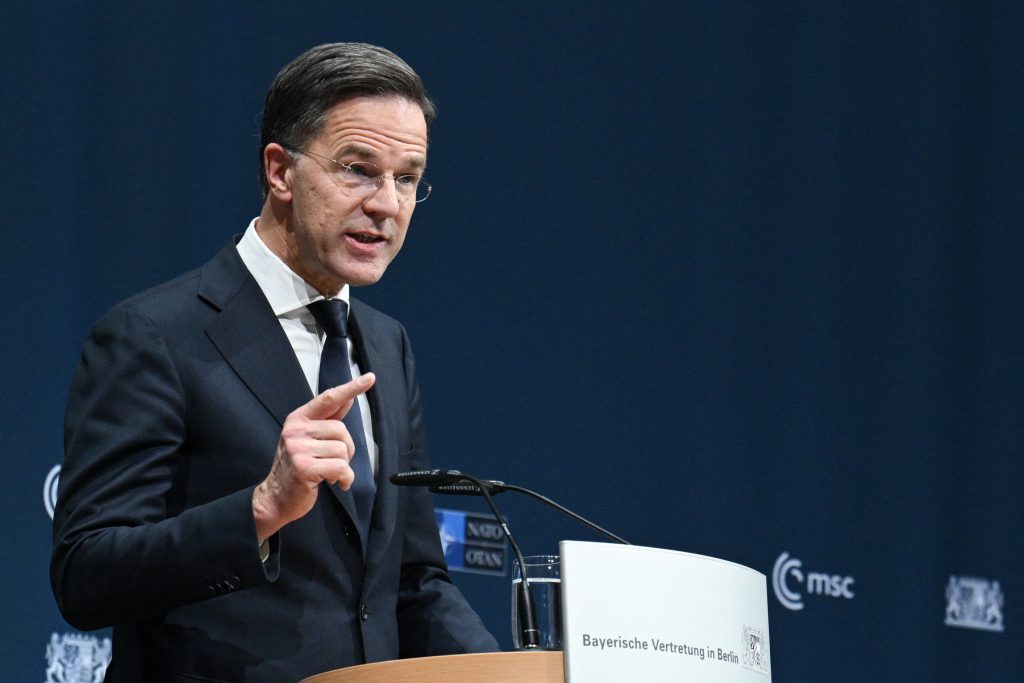

NATO Secretary General Mark Rutte announced on Sunday that 22 countries, including NATO members and allies such as Japan, South Korea, Australia, New Zealand, the UAE, and Bahrain, are coordinating efforts to reopen navigation through the Strait of Hormuz.
Speaking to Fox News Sunday, Rutte said the initiative aims to ensure “the Strait of Hormuz is free” and to respond to the urgent call by US President Donald Trump. He added that participating nations are working to determine “what is needed, when it is needed, and how we will make this happen together” to restore safe passage as quickly as possible.
Rutte acknowledged the pressure from Washington, noting, “I know the President was angry because he feels that European and other allies have been too slow.” He also emphasized that European countries needed a short period to coordinate, as they were not given prior notice of initial US-Israeli strikes on Iran.
President Trump had issued a 48-hour ultimatum demanding Tehran reopen the strait, warning that the US would target Iranian power plants if the waterway remained blocked.
Iran, however, has maintained that the strait remains open to vessels not linked to the US and Israel. Iranian Foreign Minister Araghchi said on X, “The Strait of Hormuz is not closed. Ships hesitate because insurers fear the war of choice you initiated not Iran.” He added, “Freedom of Navigation cannot exist without Freedom of Trade. Respect both or expect neither.”
European and allied nations have expressed concern over the closure. Leaders from France, Germany, Italy, Japan, the Netherlands, and the UK condemned any obstruction in a joint letter last Thursday, pledging to contribute to efforts ensuring safe passage through the strait.
Rutte praised the US administration’s stance, stating it is “crucial” that the president is taking action to secure free navigation. He also called for patience, emphasizing the complexity of coordinating multiple countries under short notice.
The situation highlights the strategic importance of the Strait of Hormuz, a key chokepoint for global oil shipments, and underscores growing international efforts to prevent disruptions amid escalating tensions in the region.