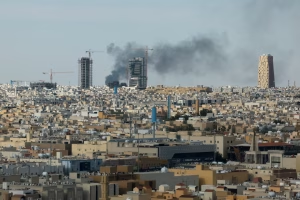
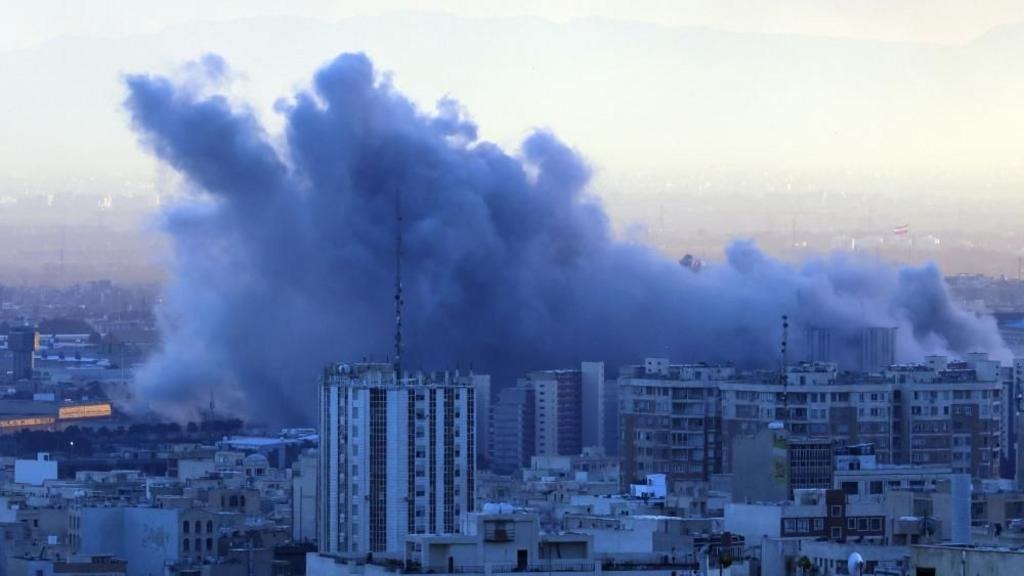

The close wartime alliance between Israeli Prime Minister Benjamin Netanyahu and US President Donald Trump is facing its most serious test yet as the expanding conflict with Iran threatens to outlast its initial military objectives.
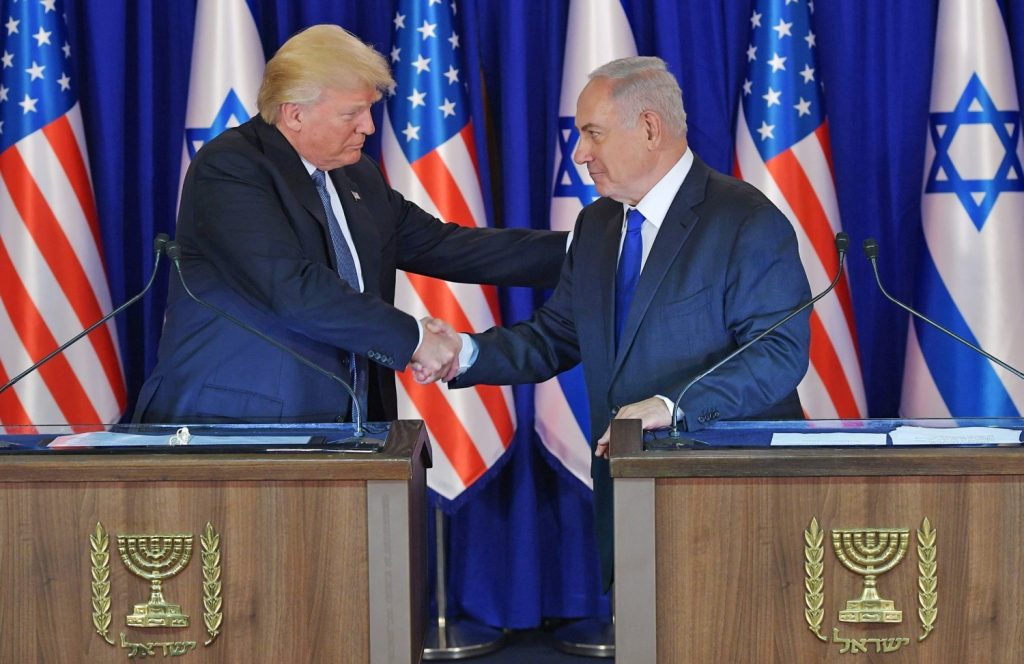
For decades, Netanyahu has urged Washington to take a tougher stance against Tehran. With the current joint US-Israeli campaign targeting Iran’s missile systems, naval forces, and nuclear infrastructure, he appears closer than ever to achieving that long-held ambition. Yet signs are emerging that Washington and Jerusalem may not be fully aligned on the war’s ultimate goals.
Diverging War Objectives
At the outset of the bombing campaign, both leaders publicly framed regime change in Iran as a central aim. However, in recent remarks at the White House, Trump shifted emphasis, stating that the primary US objectives were dismantling Iran’s missile capabilities, crippling its navy, and preventing it from acquiring nuclear weapons.
The Pentagon has echoed that position, clarifying that the operation is not officially a regime-change war. Netanyahu, by contrast, has continued calling on the Iranian people to rise against their leadership, signalling that Israel’s broader political objective may extend beyond Washington’s current focus.
Analysts suggest that while the military partnership remains strong, strategic timelines could diverge if the conflict drags on.
Trump Holds the Final Call
Israeli officials privately acknowledge that the duration of the war ultimately depends on Washington. Trump has indicated the campaign could last “four or five weeks” or “whatever it takes,” but domestic pressures in the United States may shape that timeline.
Recent polling shows limited public support in the United States for prolonged military action. Rising energy prices, already climbing as Gulf shipping routes face disruption, risk becoming a political liability, particularly ahead of key congressional contests later this year.
Former US officials note that if Trump decides an early exit serves American interests, Israel may have little choice but to adjust.
Political Stakes for Netanyahu
For Netanyahu, 76, the conflict presents both opportunity and risk. Israel faces elections by October, and the veteran leader remains on trial in a long-running corruption case he denies. His far-right coalition has shown signs of strain, while public confidence was shaken by the October 7, 2023, Hamas attack that triggered Israel’s prolonged regional war.
Since then, Israel has battled Hamas in Gaza, Hezbollah in Lebanon, and now Iran directly. Netanyahu argues that these campaigns have weakened Tehran’s regional network of allies and reshaped the Middle East balance of power.
Political observers say a swift and decisive outcome in Iran could strengthen its standing as Israel’s protector. However, prolonged fighting, mounting casualties, or economic strain could erode support, even among his traditional base, as Reuters reported.
A Defining Moment
The partnership between Netanyahu and Trump has been central to Israel’s current military strategy. The deployment of major US assets, including aircraft carriers, to the Mediterranean underscores the scale of cooperation.
Yet as the conflict widens and costs mount, the durability of that alliance will depend on whether their strategic priorities remain aligned. With regional stability, global energy markets, and domestic political futures at stake, the coming weeks may prove decisive for both leaders.