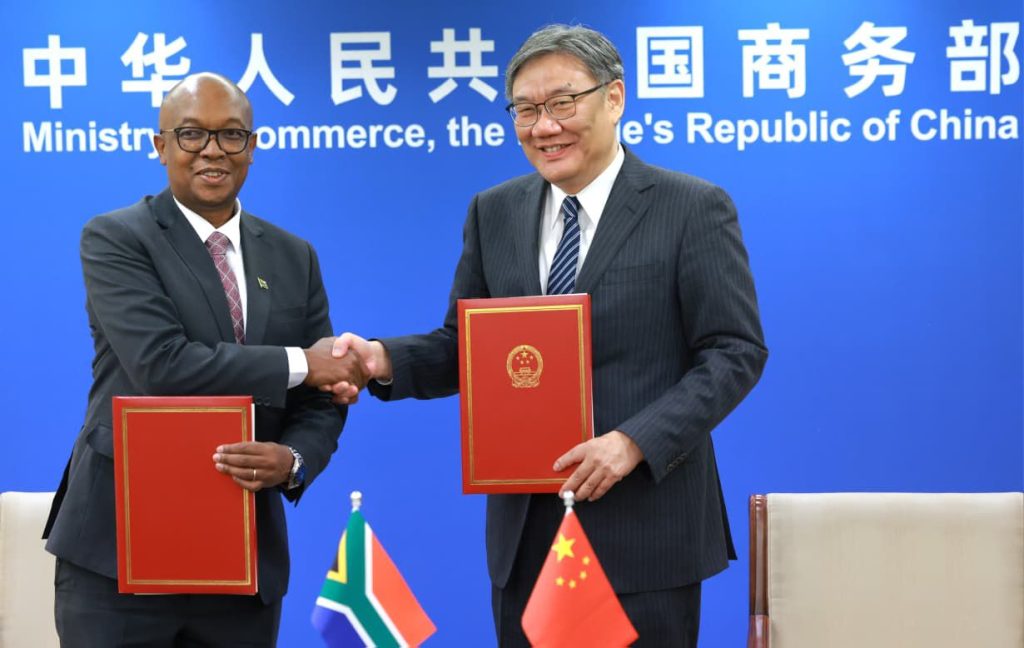
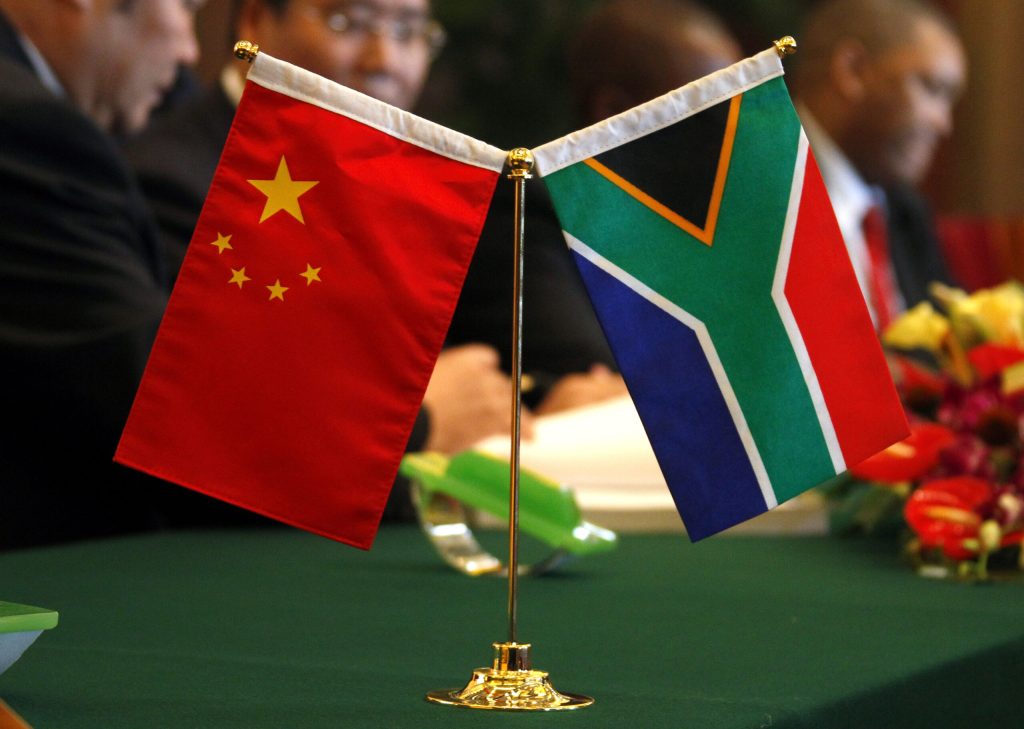

South Africa has emerged as the first African country to benefit from China’s expanded zero-tariff policy, marking a notable step forward in China–Africa trade relations and offering new momentum for export growth across the continent.
A first consignment of South African apples has made its entry into the Chinese market under the new trade arrangement. The 24-tonne shipment successfully passed customs clearance in Shenzhen before being distributed to both retail and wholesale buyers. With the removal of tariffs, the product now enjoys stronger competitiveness and improved access to a wider market.
The policy, effective from May 1, now applies to all 53 African countries that maintain diplomatic relations with China. It builds on earlier preferential trade measures and broadens access beyond least-developed economies, creating wider commercial opportunities for African exporters.
For years, Africa’s exports to China have largely centered on raw materials such as oil, copper, cobalt, and other minerals, with countries like Angola, the Democratic Republic of the Congo, and South Africa playing leading roles. However, agricultural and processed goods have remained underrepresented despite strong production capacity across the continent.
Now, the new framework introduces a shift in direction. African producers are encouraged to expand into higher-value exports, including fresh fruits, cocoa products, and light-manufactured goods. This opens more space for agribusiness development and strengthens participation in global trade networks.
At the same time, China benefits from improved access to diversified imports, especially in food supply chains, while reinforcing long-term economic cooperation with African partners. This also supports stability in trade relations at a time of global market uncertainty.
With bilateral trade already exceeding $280 billion annually, the zero-tariff expansion further deepens economic engagement between the two regions. It also enhances Africa’s opportunity to move from primarily commodity-based exports toward more diversified and value-added trade, according to BI Africa.
The development signals a positive shift, supporting export diversification, encouraging industrial growth, and strengthening long-term China–Africa economic ties.