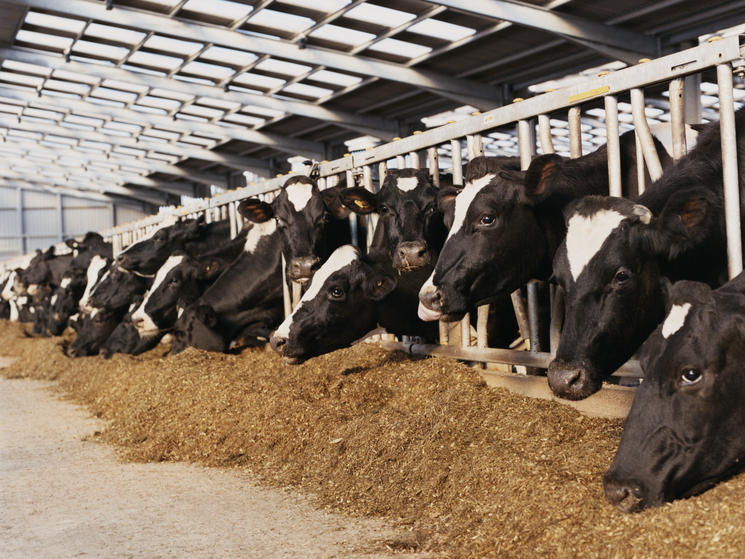

Nigeria is preparing a major expansion of its livestock industry, with stakeholders planning a private sector-driven investment strategy expected to unlock up to $3bn over the next three to five years.
The initiative is aimed at modernising a sector widely seen as one of the country’s largest agricultural assets but still held back by low productivity, weak infrastructure, and limited commercial efficiency.
Although Nigeria’s livestock industry is valued at around $32bn and supports tens of millions of households, it also presents significant room for growth, with strong opportunities to expand local production and reduce reliance on dairy imports through improved capacity and investment, according to BI Africa reports.
Officials estimate that about 75 million households are linked to the sector, which contributes roughly 5% to the national GDP. However, productivity levels remain far below global standards, particularly in dairy production, where output is significantly constrained.
Speaking at a high-level livestock investment forum in Abuja, government officials highlighted that high feed costs, accounting for up to 70% of production expenses, remain one of the biggest barriers to growth.
They noted that ongoing reforms are focused on improving feed systems, strengthening animal health services, and expanding access to markets through coordinated national strategies developed with development partners.
These efforts include long-term plans such as the National Livestock Master Plan and the National Livestock Growth Acceleration Strategy, which aim to significantly increase the sector’s value in the coming decade.
A central driver of the new investment agenda is a platform led by the African Union Inter-African Bureau for Animal Resources, designed to attract private capital and strengthen livestock value chains across Africa.
Stakeholders say the focus is shifting toward creating bankable investment opportunities, improving trust between actors in the value chain, and supporting structured agreements between producers, financiers, and processors.
Despite the optimism, structural challenges remain. Limited access to affordable credit, weak power and water infrastructure, and the dominance of informal meat processing systems continue to slow sector transformation.
Financing costs also remain a major hurdle, with commercial interest rates making it difficult for investors to fund modern livestock infrastructure such as abattoirs and processing facilities.
Even so, experts believe the sector is at a turning point. With stronger private sector involvement and continued policy reforms, Nigeria’s livestock industry is increasingly seen as a key opportunity for food security, job creation, and long-term economic growth.