
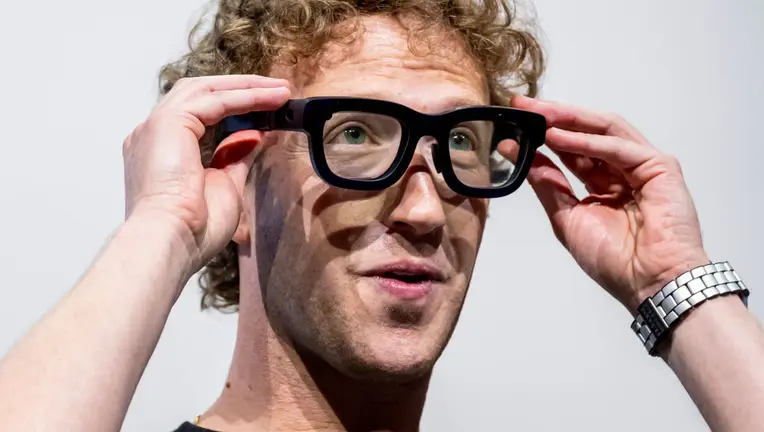

The announcement was made on Monday, October 5, 2026, as concerns continue to grow around the world over the potential privacy risks posed by smart glasses equipped with cameras.
Under the proposed legislation, the use of such glasses could be restricted in public parks, recreational waterfront areas, museums, commercial buildings and public events.
Norway’s Minister for Digitalisation, Torgeir Micaelsen, said the technology could allow people to be photographed or recorded without their knowledge.
“I am concerned that new technology with significant capabilities is beginning to be used in ways that could allow people to be photographed, filmed or recorded without their knowledge,” he said.
The proposed restrictions could also apply to schools, playgrounds and facilities where young people gather.
They could also cover locations where privacy requires particular protection, such as medical consultation rooms, swimming pool changing areas and changing rooms at sports facilities.
The government stressed that it does not intend to impose a blanket ban on smart glasses. Their use for personal purposes, as well as in places where there is no significant risk of recording other people without their consent, would remain permitted.
Before the legislation is introduced, the government will determine which types of technology should be covered. This could include glasses equipped with cameras and audio-recording capabilities, glasses that combine cameras with artificial intelligence, or potentially other wearable devices with similar capabilities.
The Norwegian government said it would present the proposed legislation as soon as possible.
It will also establish an expert group to advise on permanent national regulations governing the use of wearable technology.