
“We Were Just Praying”: Chaos as Bombs Fell on Tehran
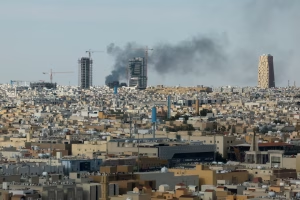
When the first explosions shook Tehran on the morning of February 28, Muhammad Raza, a 23-year-old Pakistani medical student, was assisting doctors at Tehran University of Medical Sciences hospital. What began as a normal working day quickly descended into panic as news spread that the United States and Israel had launched coordinated airstrikes on Iran.
“We had been hearing about an imminent attack, but when it finally happened, it sent a surge of anxiety through my body,” Raza said while travelling back to Pakistan.
Students rushed to their hostels and immediately contacted the Pakistani embassy. Within hours, instructions were issued: gather essential belongings and prepare for evacuation. Hundreds arrived at the embassy compound carrying clothes, laptops, textbooks, identification documents and cash.
By Saturday night, five buses carrying students departed Tehran for Zahedan, a 1,500-kilometre journey across central Iran. The convoy passed through cities such as Yazd, Isfahan and Kerman as airstrikes continued. Mobile signals were often unavailable, leaving students cut off from families and desperate for updates.
“The entire bus was silent. Everyone was just praying,” recalled Muhammad Tauqeer, another final-year medical student.
After nearly 20 hours on the road, the students reached Iran’s southeastern border and crossed into Pakistan through Taftan in Balochistan province. Pakistani officials confirmed that nearly 1,000 citizens, including around 400 students, returned within three days.
Uncertain Futures for Thousands
Iran hosts roughly 35,000 Pakistanis, including around 3,000 students enrolled in universities in Tehran, Isfahan, Zanjan and Yazd. Many are studying medicine and are close to completing their degrees.
Tauqeer, in his final semester, worries about losing years of hard work. “I moved to Tehran in 2021. I cannot let my degree slip away with only months left,” he said. Raza, with one year remaining, echoed the uncertainty: “I want to go back, but I don’t know if that will be possible.”
For some, emotional ties to Iran go beyond academics. Student Kainat Maqsood described learning of Supreme Leader Ali Khamenei’s death during the journey as “devastating,” adding that she hopes to return when conditions stabilise.
Leadership Transition and Escalating War
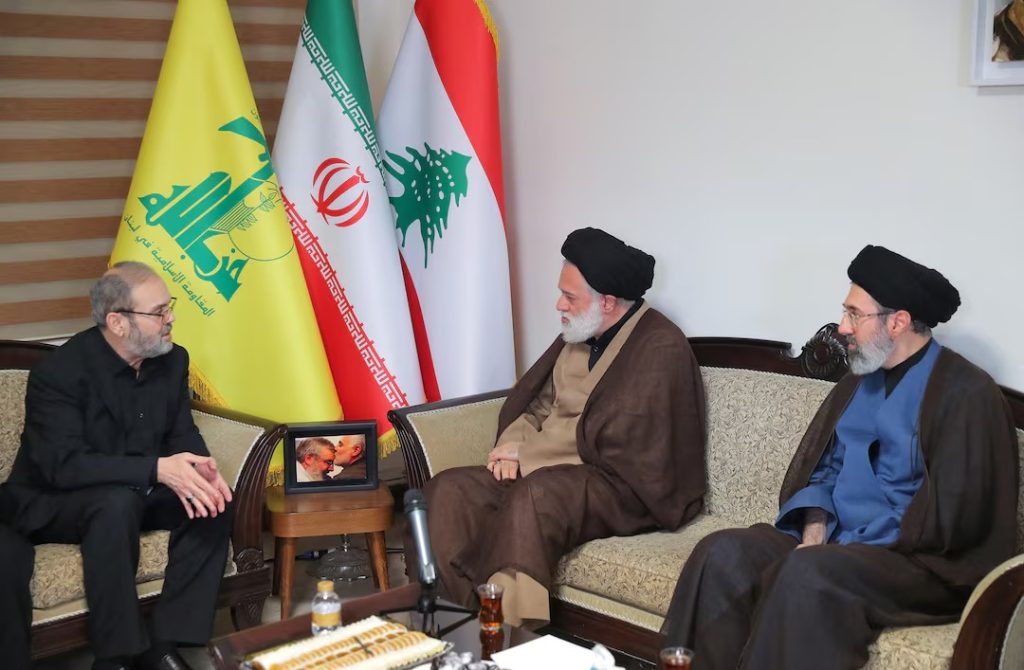
As civilians fled, Iran entered a critical political transition. Reuters reported that Mojtaba Khamenei, the 56-year-old son of the slain Supreme Leader, is alive and widely considered a leading candidate to succeed his father. The Assembly of Experts is expected to announce a new supreme leader soon, only the second such selection since 1979.
Meanwhile, US and Israeli forces continue sustained strikes across Iran, while regional tensions have spread to Lebanon and the Strait of Hormuz, disrupting global energy markets and triggering volatility in international financial markets.
For the students now scattered across Pakistan, global geopolitics feels distant compared to immediate concerns.“I am just very tired and want to see my parents,” Tauqeer said from a bus to his hometown. For now, their futures, like Iran’s, remain uncertain.