
Rwanda is making significant progress on multiple strategic infrastructure projects, reflecting sustained investment in transport, water supply, energy, and urban development to strengthen economic growth and improve public service delivery nationwide.
According to the latest update from the Ministry of Infrastructure, several flagship projects are now in their final stages, with some already completed and others approaching full delivery.
Transport Infrastructure Boosts Regional Connectivity
In the transport sector, Rwanda continues to prioritise road modernisation and regional trade facilitation. The 24-kilometre Muhanga–Nyanza Road project has reached 91% completion, marking a major step toward improving mobility between key districts in the Southern Province. Once completed, the road is expected to reduce travel time, lower transport costs, and enhance trade flows for both passengers and goods.
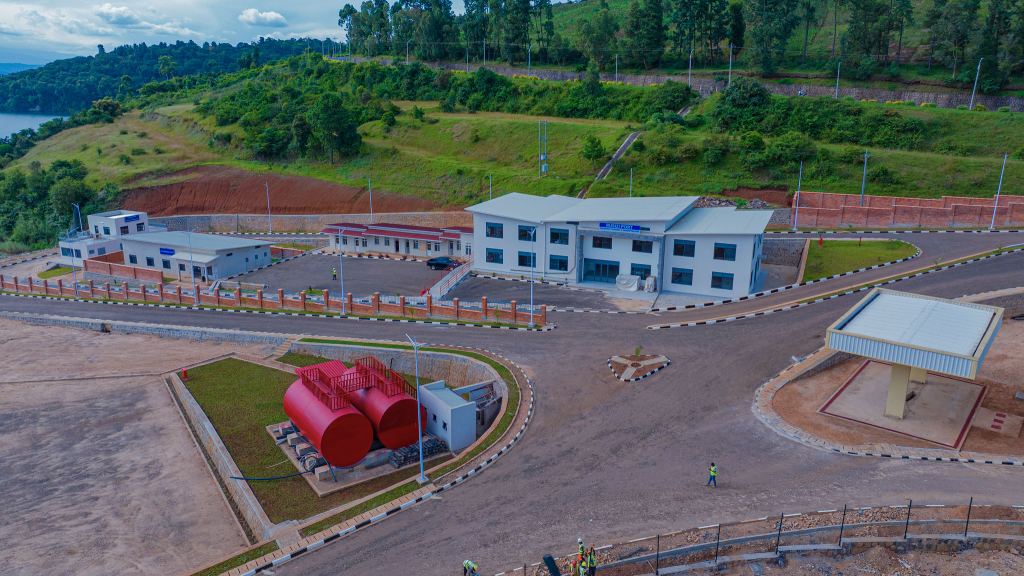
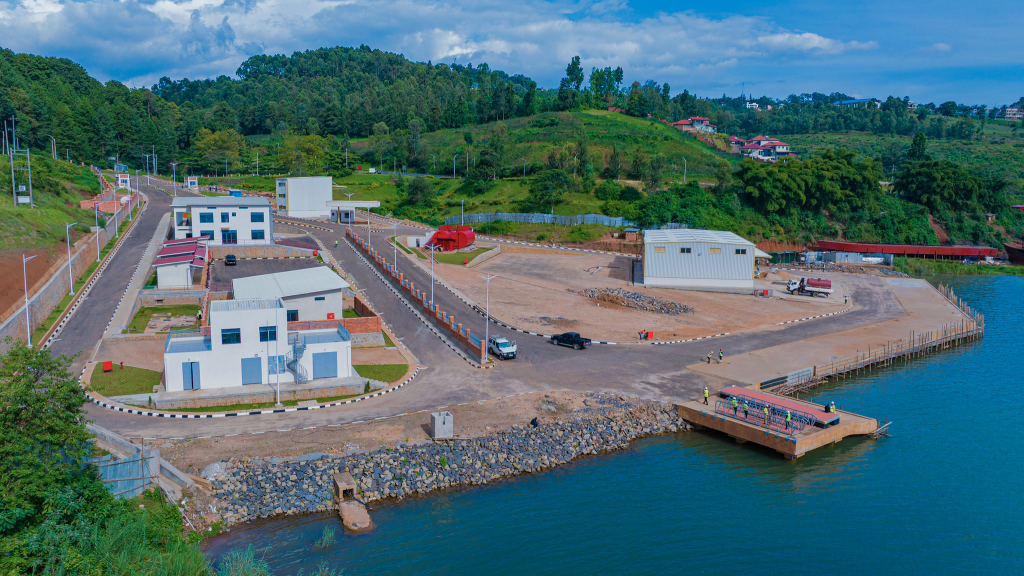
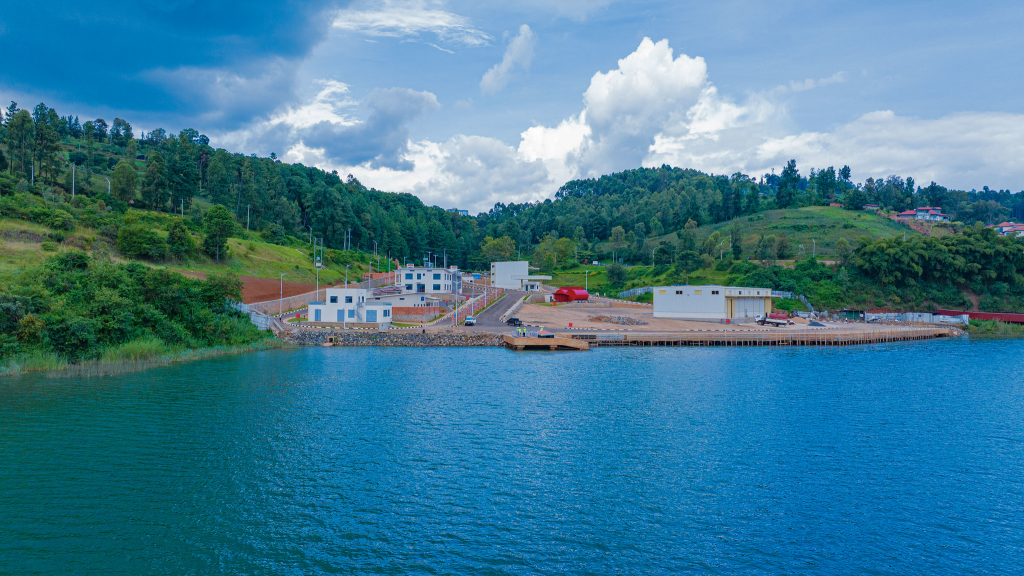
Similarly, the Rusizi Port development, which is 97% complete, is expected to become a critical logistics hub along Lake Kivu. The project is designed to strengthen inland water transport, improve cross-border trade with neighbouring countries, and support the broader vision of turning Rwanda into a regional trade and logistics centre.
Water Supply Projects Strengthen Access to Clean Water
Rwanda’s water infrastructure expansion is also showing strong progress, particularly in rural and semi-urban areas where demand continues to rise.
The Kivu Belt Water Project (Phase I) is now 99% complete, with a production capacity of 13,000 cubic metres per day. Located in Karongi District, the project is expected to significantly improve access to clean and reliable water for households, schools, and businesses in surrounding areas.
In eastern Rwanda, the Muhazi Water Supply Project (Phase I) has reached 93% completion, producing 12,000 cubic metres per day. The project serves Gatsibo and Kayonza districts, where water access has historically been a development priority. Once fully operational, it is expected to reduce water scarcity challenges and support community health and agricultural productivity.
Urban Development and Social Infrastructure Expands
In the housing and urban development sector, major investments continue to reshape public service delivery and environmental management.
The Masaka Hospital project has been completed at 100%, adding a modern healthcare facility that is expected to improve access to medical services and reduce pressure on existing hospitals, particularly in and around Kigali.
At the same time, the Kigali wetland rehabilitation project has reached 94% completion, reflecting Rwanda’s growing focus on environmental protection, flood control, and sustainable urban planning. The restoration of wetlands in Kigali is expected to enhance biodiversity conservation while also improving climate resilience in rapidly urbanising areas.
Energy Sector Expansion Continues
In the energy sector, progress is ongoing on the Nyabarongo II Hydropower Plant, which is currently 69% complete with an installed capacity of 43.5 MW.
Once finalised, the project is expected to contribute significantly to Rwanda’s national grid, helping meet rising electricity demand driven by industrial growth, urban expansion, and increased household consumption. It also aligns with national efforts to strengthen renewable energy production and reduce reliance on imported energy sources.
Driving Toward National Transformation Goals
Overall, these infrastructure milestones highlight Rwanda’s continued commitment to long-term development planning under its national transformation agenda. The combination of improved transport networks, expanded water access, enhanced healthcare infrastructure, environmental restoration, and increased energy capacity reflects a coordinated approach to building a more resilient and competitive economy.
As these projects move closer to completion, they are expected to deliver tangible and far-reaching benefits to citizens across the country, including improved access to essential services, reduced transport costs, and enhanced quality of life. At the same time, they are set to strengthen Rwanda’s position as one of the region’s fastest-growing infrastructure hubs, supporting economic competitiveness, attracting investment, and reinforcing the nation’s long-term vision for sustainable development and regional integration.