

The Cabinet reviewed a series of tax policy reforms aimed at improving the country’s tax administration and strengthening stakeholder participation. As part of these reforms, it approved the establishment of a Permanent Tax Policy Committee, which will serve as a platform for broader engagement with public and private sector stakeholders in shaping Rwanda’s taxation policies.
To support the growth of microfinance institutions, the Cabinet approved measures to simplify the requirements for extending tax exemption periods. The move is intended to ease regulatory burdens on smaller financial institutions, enabling them to expand access to financial services, particularly for low-income households, small businesses, and rural communities.
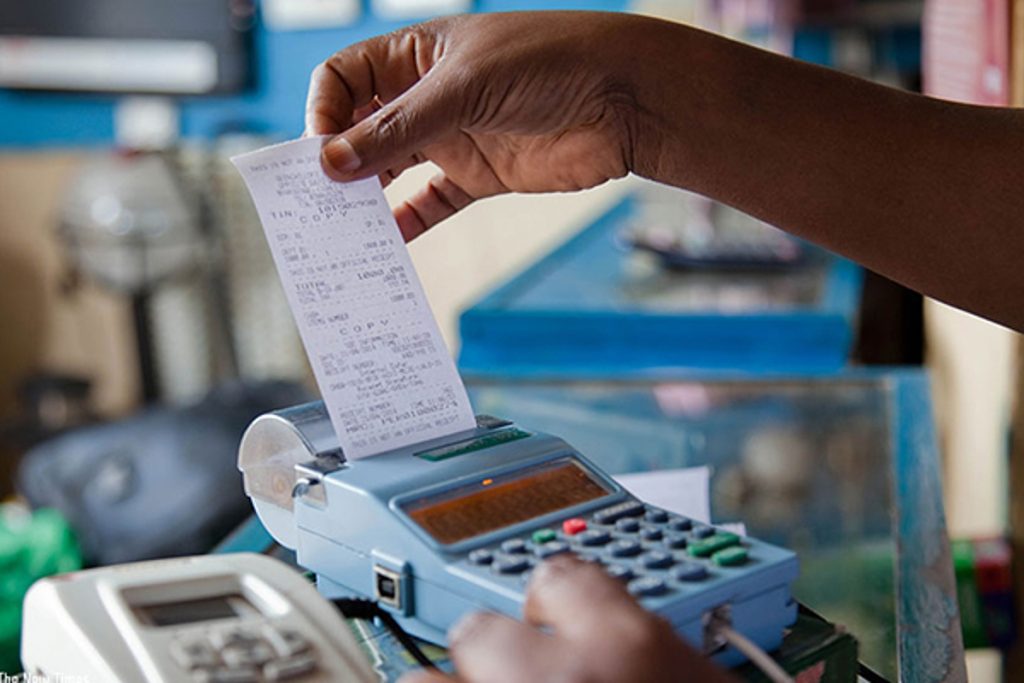
In a bid to strengthen tax compliance and combat tax evasion, the Cabinet also agreed to increase the rewards offered to individuals who provide credible information leading to the detection of tax fraud or tax evasion. The enhanced incentive is expected to encourage greater public participation in protecting government revenues and promoting fairness within the tax system.
The reforms further seek to simplify tax procedures for businesses by raising the financial threshold that requires professional certification of financial statements by licensed auditors and accountants. This means that smaller businesses with lower levels of assets or turnover will face fewer compliance requirements, reducing administrative costs while allowing tax authorities to focus oversight on larger enterprises.
These measures form part of Rwanda’s broader efforts to modernize its tax system, improve the ease of doing business, and create a more transparent and efficient revenue collection framework. By balancing stronger tax enforcement with incentives for business growth, the government aims to increase domestic revenue while fostering a more supportive environment for investment and entrepreneurship.
If implemented effectively, the reforms are expected to improve voluntary tax compliance, enhance collaboration between taxpayers and government institutions, and strengthen the role of the financial sector in supporting Rwanda’s long-term economic development.