
For the fiscal year beginning in July 2026, the government expects to mobilise Rwf 5.274 trillion from domestic resources. This amount includes Rwf 4.429 trillion in tax revenues and Rwf 582.4 billion in non-tax revenues. Meanwhile, foreign grants are projected at Rwf 548.3 billion, while external loans are expected to reach Rwf 1.974 trillion.
Of the total budget, Rwf 4.789 trillion will be allocated to recurrent expenditure and salaries, while Rwf 3.011 trillion will finance development projects and public investments.
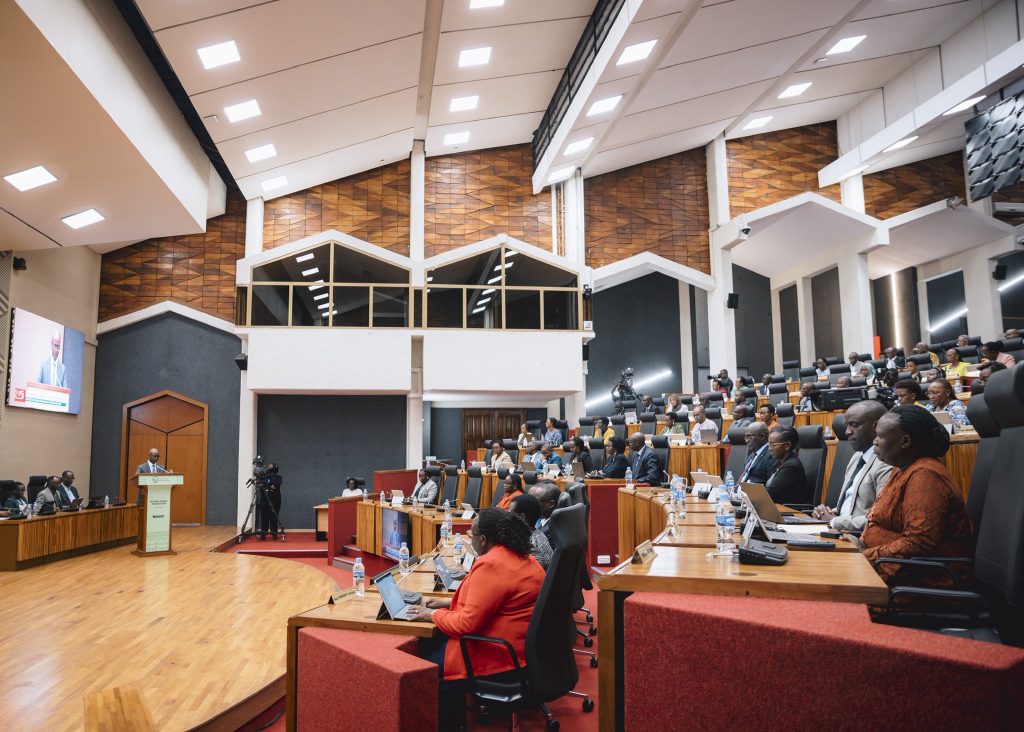
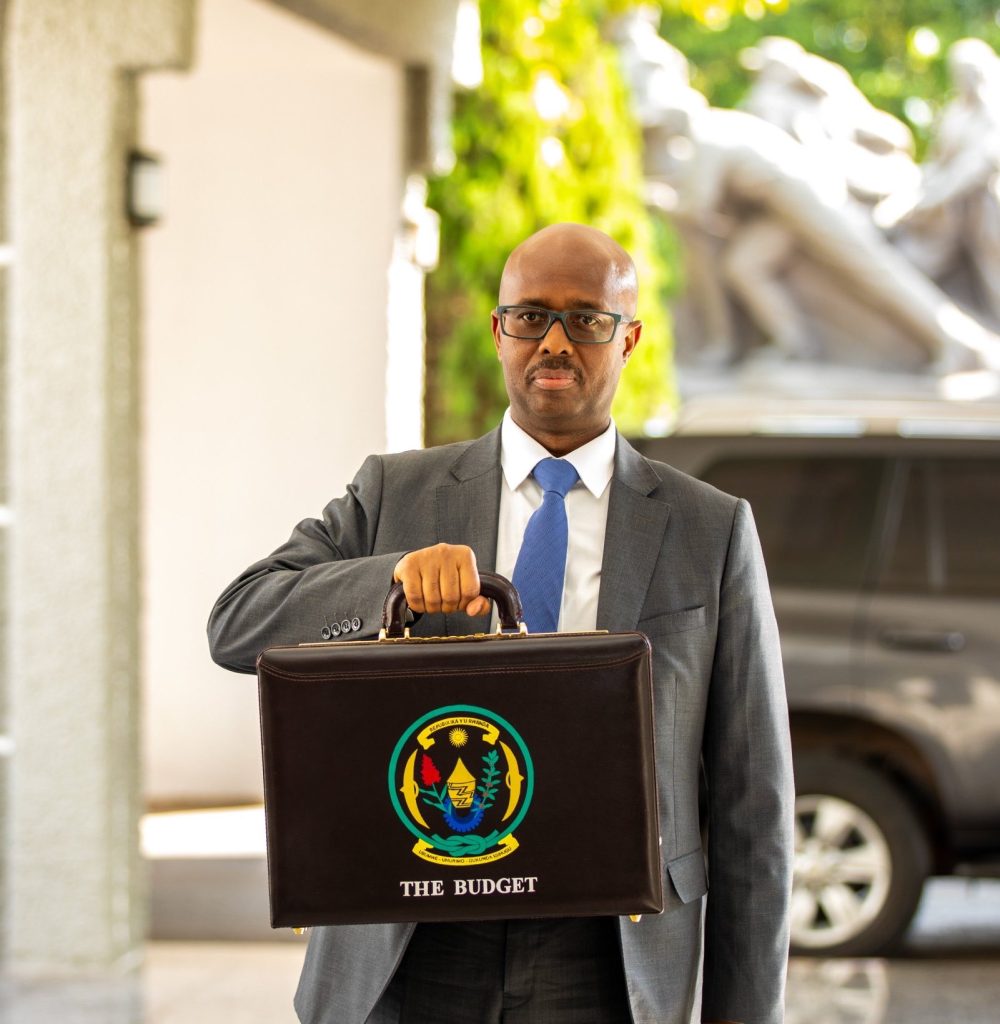
The Minister of Finance and Economic Planning, Yusuf Murangwa, said that the 2026/2027 budget and the medium-term expenditure framework were designed with consideration for the potential economic impact of the conflict in the Middle East, as well as the government’s broader revenue mobilisation and expenditure priorities.
Murangwa explained that the government intends to continue strengthening the agriculture sector, with particular emphasis on fertiliser subsidies, irrigation schemes, and continued support for RwandAir.
He noted that one of the government’s key priorities is to ensure farmers continue to access fertilisers at affordable prices, especially amid concerns that tensions involving Iran and the broader Middle East could disrupt global supply chains and drive up food prices.
“This year, the government has allocated more funds to support the agricultural sector. Last year, the amount set aside to subsidise fertilisers was Rwf 39 billion. In the current budget proposal, we have increased that figure to approximately Rwf 64 billion,” Murangwa said.
He added that the allocation is close to doubling previous spending levels and is intended to prevent fertiliser shortages in Rwanda.
“We are aware that, at the international level, fertiliser prices have risen due to the conflict in the Middle East. To ensure that citizens continue to access fertilisers, the government has increased funding so that this sector does not face disruptions,” he said.
The increased agricultural support reflects Rwanda’s broader strategy to safeguard food security, protect farmers from external shocks, and sustain economic growth despite an increasingly uncertain global environment.