

Since the Bundibugyo strain of the Ebola virus re-emerged in the DRC, more than 1,000 people have reportedly been infected and over 200 have died. In Uganda, nine cases have been confirmed, with one death recorded.
The presence of the disease in neighboring countries has prompted Rwanda to tighten its preventive measures. These include screening travelers for Ebola symptoms at border crossings with the DRC and Uganda, as well as at Kigali International Airport.
The government has also restricted entry for foreign nationals who have been in the DRC within the previous 30 days.
Rwandan citizens and individuals with valid residency permits are allowed to return to the country but must first undergo quarantine.
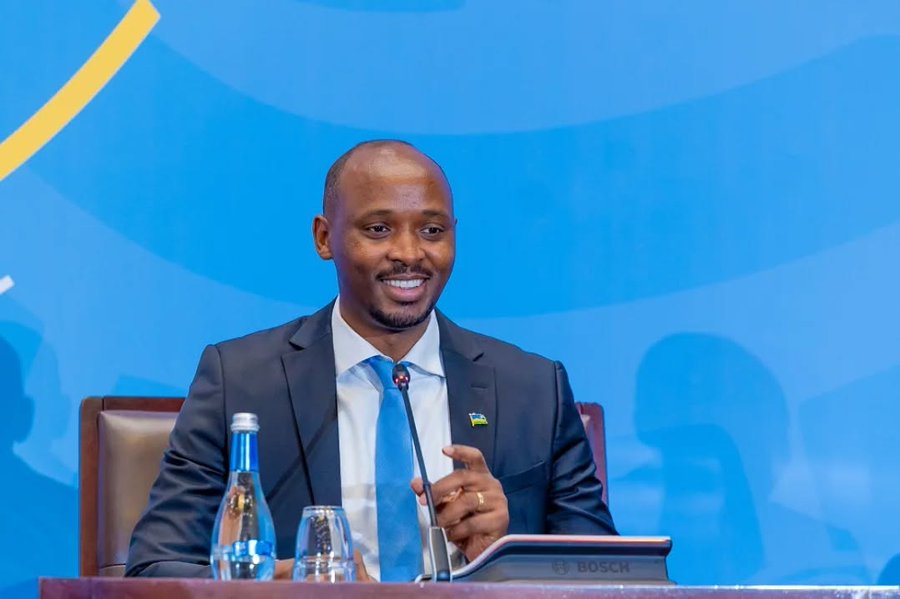
Speaking to RBA on Friday, February 29, 2026, Dr. Nsanzimana emphasized that no Ebola case has been detected in Rwanda.
“Ebola has never been recorded in Rwanda, and as we speak today, there is no Ebola in the country. The outbreak currently being discussed started in the Democratic Republic of the Congo, where more than 1,000 people are reported to have been infected and over 200 have died. Cases have also been reported in Uganda, where nine people have contracted the Bundibugyo strain of Ebola,” he said.
Despite the situation, the minister noted that some individuals in Rwanda are being closely monitored by health authorities, although none has shown any signs of infection so far.
He reassured Rwandans that health officials are working tirelessly to ensure the disease does not enter the country.
“My first message is to reassure Rwandans not to panic. We have faced outbreaks in the region before and successfully managed them. Our goal is to ensure Ebola does not reach Rwanda. Since the outbreak is currently concentrated in the DRC and Uganda, we are monitoring developments closely and doing everything possible to prevent it from crossing into our country. This is our highest priority at the moment,” he said.
The Bundibugyo strain of Ebola was first identified in Uganda between 2007 and 2008, infecting 149 people and killing 37. In 2012, it appeared in Isiro, DRC, infecting 57 people and causing 29 deaths.
Dr. Nsanzimana explained that the Bundibugyo strain is particularly concerning because it is difficult to detect.
“This Bundibugyo strain has unique characteristics. Testing for it is challenging, there is currently no vaccine available, and no specific treatment has been developed. Unlike other Ebola strains, it has not been common, which is why it is raising concern globally. Countries around the world are preparing for it, and Rwanda is especially vigilant because we are close to the affected countries. We encourage every Rwandan to play a role in prevention,” he said.
Warning against illegal border crossings
The minister stressed that preventive measures are particularly important for Rwandans returning from affected countries.
“Rwandans coming back from those countries are allowed to return home, but they must be monitored for 21 days before resuming their normal activities. However, some individuals may attempt to enter through unofficial routes, commonly known as ‘panya’ crossings. We want them to understand that they are risking not only their own health but also the health of their families and communities. So far, citizens have been cooperating well, and we thank them for that,” he said.
While Rwanda continues to strengthen its Ebola prevention efforts, Dr. Nsanzimana stressed that cross-border trade should not come to a halt.
“Trade cannot simply stop. Instead, we are organizing safer ways for it to continue. Rather than allowing 20,000 people to cross the border, designated representatives can transport goods on behalf of others. The aim is to reduce movement because the more people travel back and forth, the greater the risk of bringing the disease into the country,” he explained.
Rwandans living near borders with countries affected by Ebola have also been urged to remain vigilant and help authorities identify and report any potential risks in order to prevent the virus from entering Rwanda.
Source: IGIHE