
The continued increase in petroleum prices has put pressure on the global economy, including Rwanda. The situation worsened after Israel and the United States launched military action against Iran, which responded by closing the Strait of Hormuz, a key route through which between 16 million and 21 million barrels of oil pass daily.
The closure affected the global economy, with oil prices recently surpassing $126 per barrel for the first time since 2022, when the Russia–Ukraine War began.
In Rwanda, the price of a litre of petrol has risen to 2,938 Rwandan francs.
Rwanda is now exploring possible solutions to tackle the crisis, including converting existing fuel-powered vehicles into electric vehicles.
The Senior Technical Advisor for Transport and Logistics at the Ministry of Infrastructure, Byiringiro Alfred, told Rwanda Broadcasting Agency that the government is studying the feasibility of the project, similar to what has already been done with motorcycles.
He said, “Eighty-five petrol motorcycles were converted into electric motorcycles. We have also received many companies interested in doing the same for cars.”
Byiringiro explained that a company from Poland visited Rwanda and demonstrated that petrol-powered cars could be converted to run on gas.
He added, “A Turkish company also told us that it is possible to convert such vehicles to electric power. What we are preparing now is to begin with pilot projects and evaluate the results.”
The official noted that Rwanda had initially planned to test gas-powered vehicles earlier, but the country faced challenges in accessing compressed natural gas (CNG).
“However, since we expect to obtain gas from Lake Kivu, we are going to put more effort into the project. Once the government proves it is possible, private investors may also join,” he said.
The Ministry of Infrastructure recently announced that Rwanda is expected to start receiving cooking gas extracted from Lake Kivu in the first quarter of 2028.
Under a 25-year agreement signed with Gasmeth Energy, the company will extract up to 40 million cubic meters of gas per day from Lake Kivu.
Byiringiro added, “We are examining whether these vehicles can be converted to use gas or electricity.”
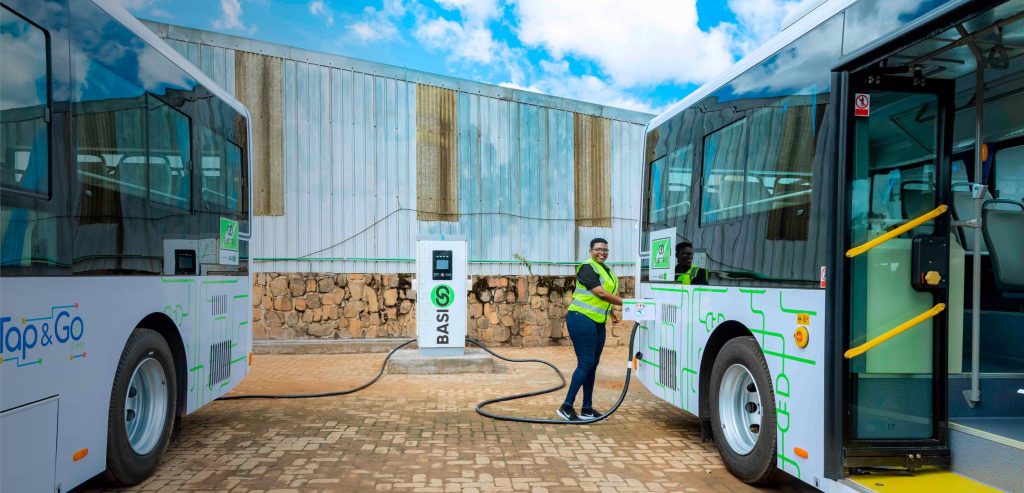
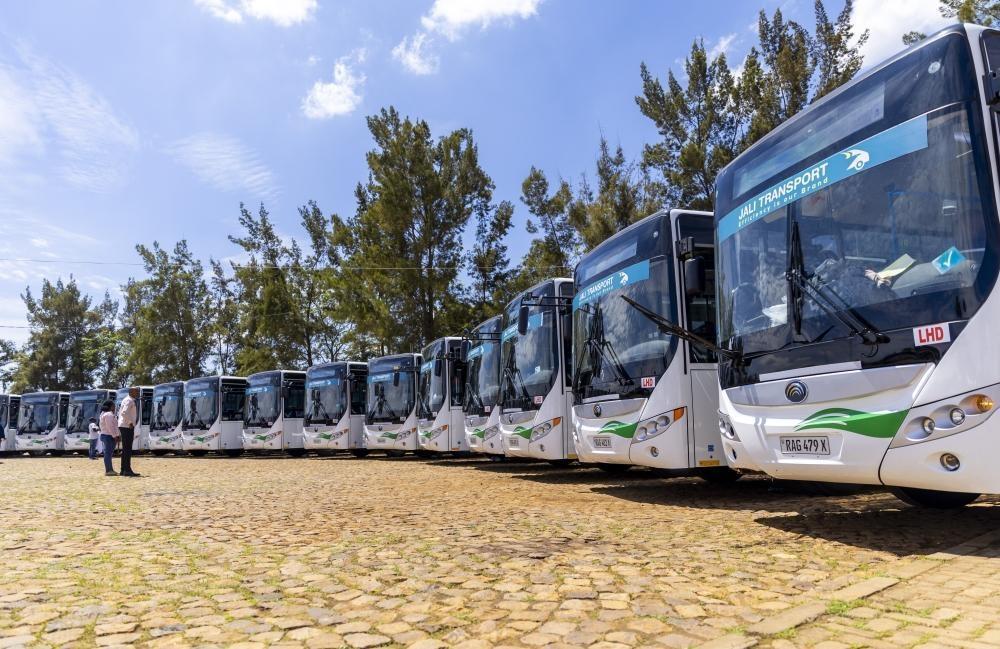
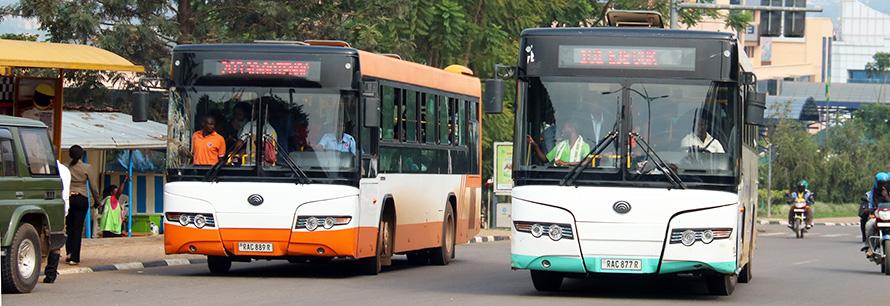
As part of measures to cope with rising fuel prices, the Government of Rwanda has intensified efforts to promote public buses, facilitate the adoption of electric vehicles, and require public institutions to ensure that 30% of newly purchased vehicles are electric.
“If an institution is buying vehicles, it is encouraged to purchase electric cars. Fuel-powered vehicles are expensive, and the government owns many of them, meaning operational and maintenance costs are very high,” Byiringiro explained.
Beyond responding to rising fuel costs, the initiative also aims to support Rwanda’s target of reducing greenhouse gas emissions by 38% by 2030. Vehicles are estimated to contribute about 12% of the country’s total emissions.