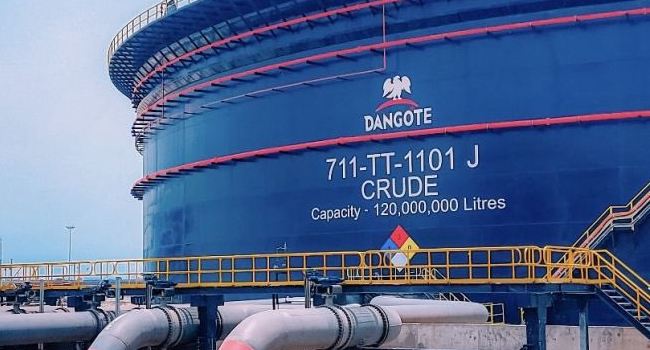

The Dangote Petroleum Refinery is the largest refinery in Africa and among the biggest globally, operating a single-train refining system. It processes about 650,000 barrels of fuel per day.
At least 62% of the fuel used in Nigeria is refined by this facility, which has also begun exporting petroleum products to other African countries such as Ghana, Cameroon, Togo, and Tanzania.
The conflict involving Iran has disrupted operations in the Strait of Hormuz, through which about 20% of the world’s fuel supply passes. Currently, around 40% of fuel consumed in East Africa originates from India, much of it transported through Hormuz, with about 27% destined for the region where Rwanda is located.
Although much of Rwanda’s fuel arrives through alternative routes, disruptions in Hormuz have forced traders to look for new supply sources.
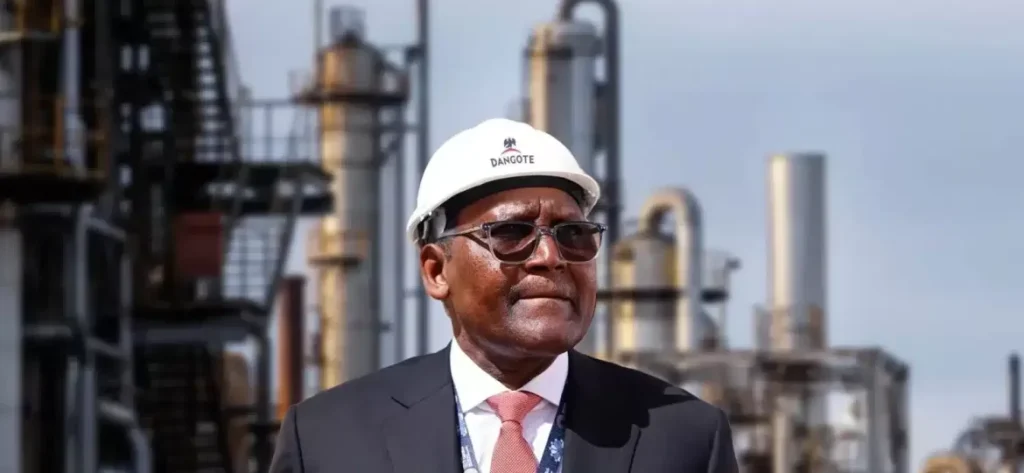
As Rwanda prepares to host the Africa CEO Forum 2026 in May 2026, the Private Sector Federation is considering importing petroleum products from Dangote’s refinery. Dangote himself is expected to attend the forum.
The President of the Private Sector Federation, Twagirumukiza François, told IGIHE that they are exploring ways to diversify fuel supply sources to prevent shortages.
He said, “We are thinking about alternative routes that do not pass through the Strait of Hormuz. Options exist, such as Nigeria and other countries that were not previously part of our supply chain, mainly due to pricing and transport challenges.”
The Director General of the fuel importers’ association ASSIMPER, Dr Akumuntu Joseph, noted that engaging with Dangote presents a major opportunity to explore collaboration.
“This is a significant opportunity for both the government and private sector, especially those in the energy sector, to engage with him, present our needs, and discuss logistics and pricing agreements.”
On the other hand, the Managing Director of SP, Habimana Claudien, explained that importing fuel from Nigeria is feasible but would come at a high transport cost.
“It is possible, but transportation costs would be very high. The route would involve going around Algeria, down to Southern Africa, and then back up. It is not comparable to sourcing from the Middle East via Mombasa or Dar es Salaam, which are much closer,” he said.