

Rwanda and Russia have signed a Memorandum of Understanding (MoU) aimed at strengthening cooperation in the health sector, with particular focus on nuclear medicine, medical research, and the overall development of healthcare systems.

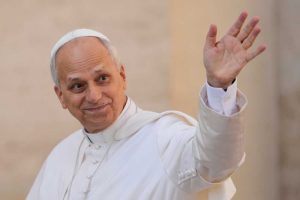
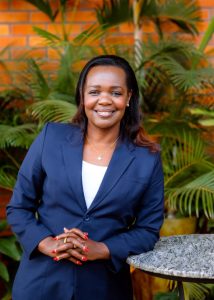
The agreement was signed by Rwanda’s Minister of Health, Dr. Sabin Nsanzimana, and his Russian counterpart, Mikhail Murashko, on the sidelines of the 79th World Health Assembly, currently taking place in Geneva, Switzerland.
According to official statements, the partnership will therefore enhance collaboration in strengthening healthcare systems, while also supporting the professional development and capacity building of healthcare workers. In addition, it seeks to improve prevention, diagnosis, treatment, and rehabilitation services for both communicable and non-communicable diseases.
Moreover, the agreement covers cooperation in the regulation of medicines and medical devices, as well as the advancement of medical research and innovation. At the same time, it places strong emphasis on improving maternal and child health services, with the broader goal of reducing child and infant mortality rates through improved access and quality of care.
Furthermore, a key focus of the MoU is nuclear medicine, an emerging field that plays an important role in the diagnosis and treatment of complex diseases such as cancer and other critical health conditions. As a result, Rwanda is expected to strengthen its capacity in advanced medical technologies, research, and specialized treatment services as part of its long-term health sector development strategy.
In addition, both countries are expected to explore further collaboration in knowledge exchange, technical expertise, and institutional partnerships between medical and research institutions. This is intended to promote sustainable health system improvements and innovation-driven healthcare delivery.
The Russian Ministry of Health confirmed the signing through its official communication channels, highlighting the growing cooperation between the two countries in the health sector and reaffirming their shared commitment to improving global health outcomes.