

The National Bank of Rwanda (BNR) has increased its Central Bank Rate (CBR) by 75 basis points to 9.5 per cent, from 8.75 per cent, as part of measures to maintain price stability and strengthen the country’s economic resilience.
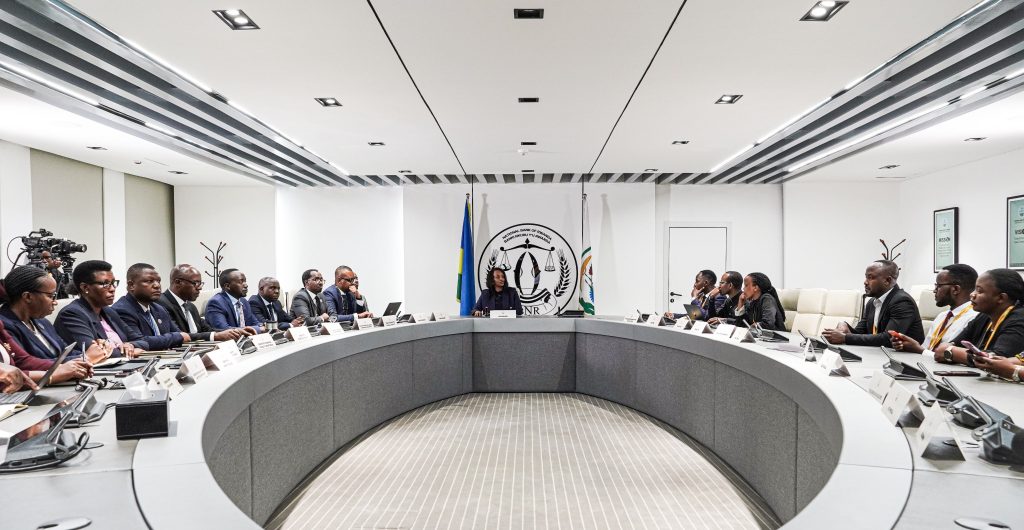
The decision was announced on Thursday, November 26, during a press conference addressed by BNR Governor Soraya Hakuziyaremye, following a meeting of the Monetary Policy Committee (MPC) held on November 25 to review domestic and global economic developments.
“The decision to increase the Central Bank Rate is a major step to bring inflation back towards the medium-term objective of 5 per cent, safeguard price stability, which is a necessary condition for sustaining economic growth, and protect the purchasing power of Rwandans,” Soraya noted.
According to BNR, the adjustment aims to anchor inflation expectations and gradually bring inflation back within the target range. The committee also increased the reserve requirement ratio from 5 per cent to 7 per cent to manage excess liquidity in the banking system and support price stability.
Rwanda’s economy continues to demonstrate strong growth, with real gross domestic product (GDP) expanding by 9.4 per cent in the second quarter of 2026, driven mainly by the services and industry sectors.
The central bank also reported improvements in the country’s external trade position, with the trade deficit narrowing by 7.4 per cent in the third quarter of 2026 compared with the same period in 2025. Foreign exchange reserves stood at a level equivalent to 4.2 months of prospective imports at the end of September.
Meanwhile, headline inflation reached 19.5 per cent in October 2026, largely driven by rising food prices. Fresh food inflation increased to 21.7 per cent, while core inflation eased from 12.3 per cent to 11.4 per cent.
BNR projects inflation to gradually decline from the second quarter of 2027, returning to the target range by the end of the year. Core inflation is also expected to continue easing throughout 2027 as domestic and imported cost pressures moderate.
The central bank noted that the outlook could be influenced by weather conditions affecting agricultural production and developments in international oil markets.
The latest monetary policy measures reflect the bank’s continued commitment to safeguarding purchasing power, maintaining economic stability and creating a supportive environment for sustainable economic growth.