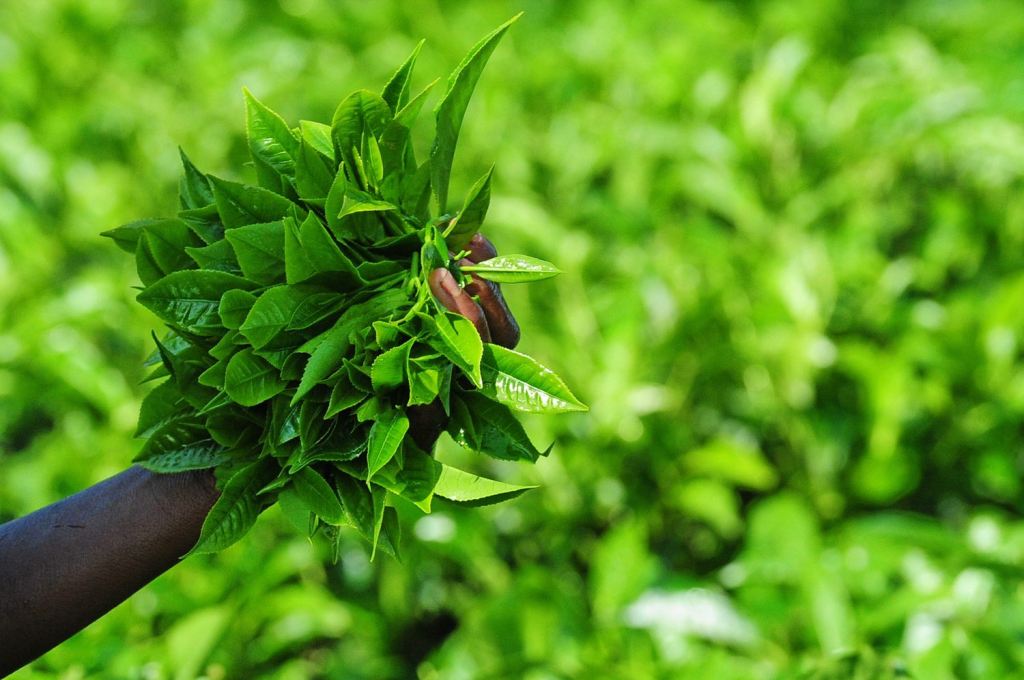

Rwanda is aiming to almost double its tea export earnings by 2031, with plans to increase production from about 40,000 tonnes to at least 70,000 tonnes, according to the National Agricultural Export Development Board (NAEB). The initiative is part of the country’s broader strategy to strengthen agricultural exports and boost foreign exchange earnings.
NAEB revealed that tea export revenues are expected to increase from about $117 million last year to around $300 million annually once the targets are achieved. The board says this growth will be driven by expanded production, strengthened quality, and improved access to markets.
The institution also plans to expand tea cultivation by about 10,000 hectares across the country. This expansion will be supported by improved farming practices, better agricultural inputs, and rehabilitation of ageing tea plantations to increase productivity.
At present, around 95% of Rwanda’s tea is exported in bulk form, with authorities pushing for increased value addition. The goal is to ensure that at least 20% of exports are processed into higher-value tea products. This is expected to raise export earnings while improving returns for farmers, who currently receive about 50% of the market price per kilogram depending on quality.
NAEB is actively working to advance beyond tea auction markets, a move expected to open wider access to diverse global markets and strengthen Rwanda’s position in the international tea trade. This shift is also set to create more competitive pricing opportunities for tea exports, boosting overall sector performance and growth.
The tea sector is expected to create thousands of new jobs as production expands, with about 13,865 additional tea pickers needed alongside the existing workforce of more than 18,000. The sector currently supports over 59,000 farming households and includes 19 tea-processing factories nationwide. Furthermore, farmers continue to receive training in modern farming techniques, fertiliser use, plantation renewal, and better crop management.
Tea remains one of Rwanda’s key export commodities, and its expansion is seen as central to increasing rural incomes, creating jobs, and strengthening the country’s position in global tea markets. The sector is also expected to play a growing role in boosting export earnings through improved production, value addition, and wider access to international markets.