
Rwanda’s agricultural export sector has continued to demonstrate strong and steady growth, as it recorded impressive earnings of USD 9,440,493 between 27 April and 1 May 2026, according to the latest data released by the National Agricultural Export Development Board (NAEB).
During this period, Rwanda exported 9,488 metric tons of agricultural products, showing both higher productivity and the sector’s rising strength and competitiveness in global markets.

Strong performance across key export products
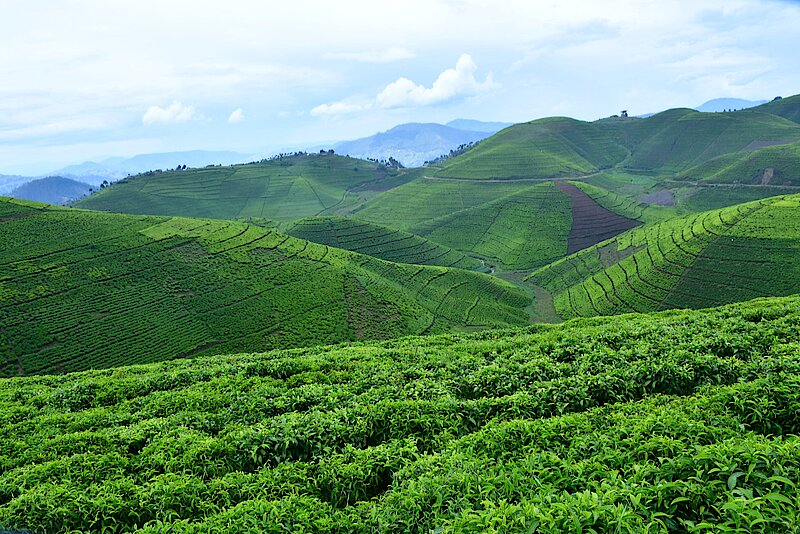
In particular, tea stood out as one of the leading foreign exchange earners, generating USD 3,425,521 from 1,232 metric tons exported to key markets across Asia, Europe, and Africa. This performance further highlights the sector’s consistency in delivering high-value export returns.
Similarly, diversified agricultural products contributed significantly to overall earnings, with exports reaching 6,541 metric tons and generating USD 3,631,617, thereby demonstrating Rwanda’s continued progress in value addition and product diversification.
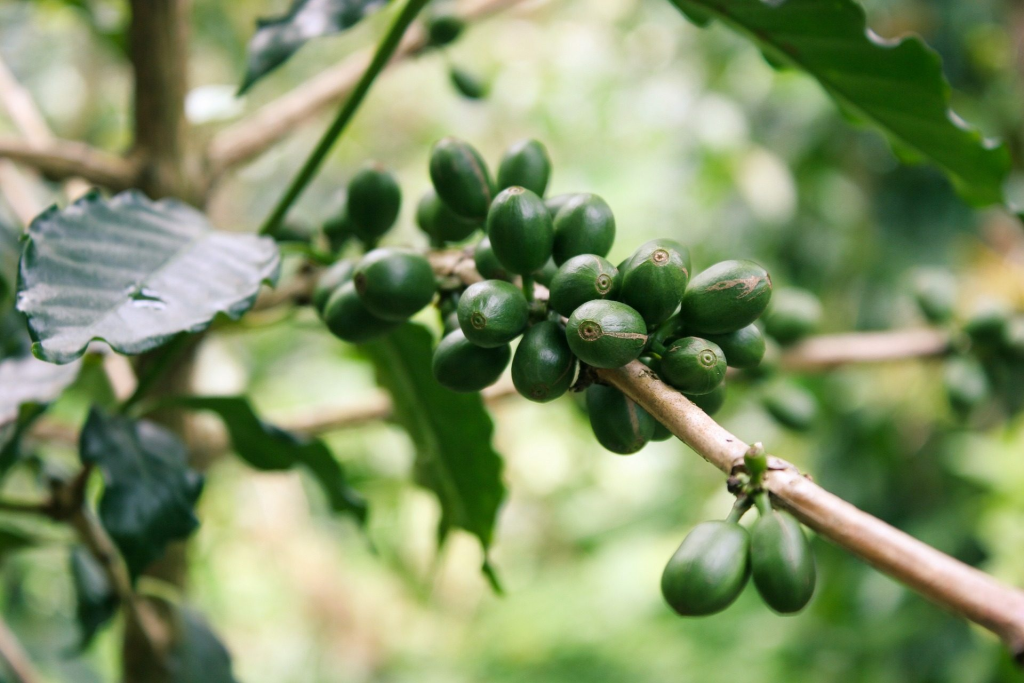
In addition, coffee, one of Rwanda’s flagship export commodities, earned USD 825,852 from 236 metric tons, while vegetable exports brought in USD 615,935 from 366 metric tons, further strengthening the country’s export portfolio.
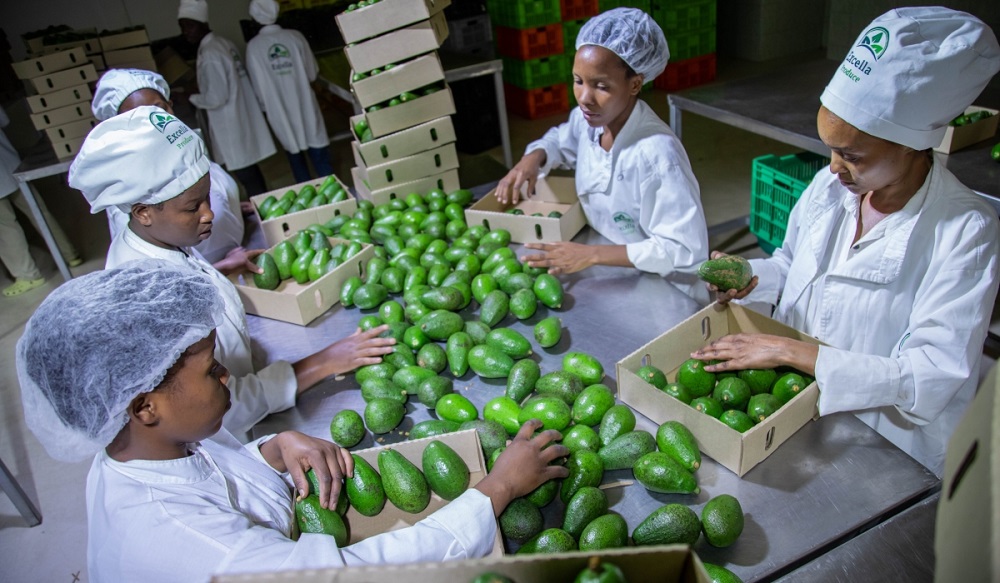
Moreover, fruit exports contributed USD 371,399 from 517 metric tons, while flowers generated USD 94,139, with major destinations including the Netherlands and the United Kingdom. At the same time, animal products added USD 476,031 from 579 metric tons, mainly supplied to African markets.
Expanding global market reach
Notably, Rwanda’s agricultural exports reached a wide and diverse range of international markets. For instance, vegetables were shipped to countries such as China, Great Britain, the Netherlands, India, Germany, France, and several African nations. Likewise, fruits were exported to China, the United Arab Emirates, and other African markets.
Furthermore, diversified products reached destinations including Oman, the United States, and various African countries, clearly reflecting Rwanda’s expanding global trade footprint and increasing integration into international supply chains.
This strong export performance underscores Rwanda’s continued investment in agricultural modernization, value addition, and strategic market expansion. Consequently, the sector remains a vital pillar in supporting national economic growth and boosting foreign exchange earnings.
Looking ahead, with ongoing improvements in production quality, infrastructure, and international market access, Rwanda’s agricultural exports are expected to remain a key driver of economic resilience, job creation, and rural development in the years to come.