
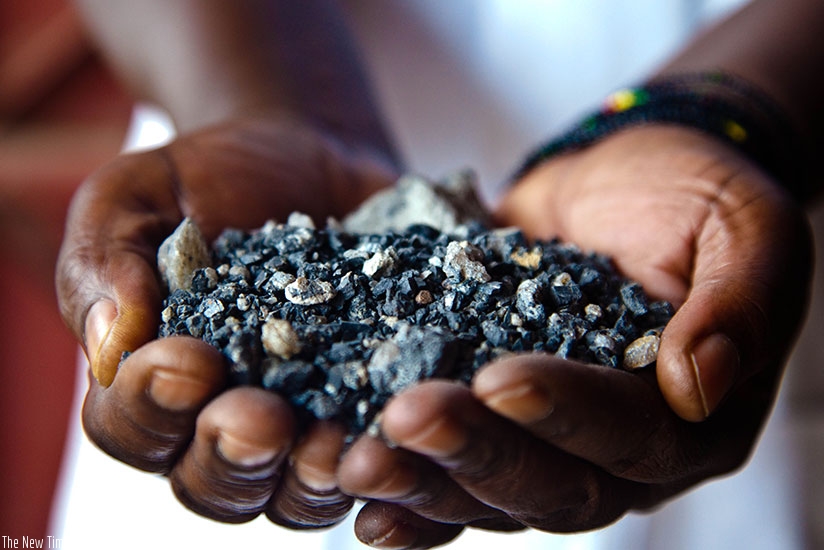

Rwanda’s mining sector recorded a strong performance in the first quarter of 2026, growing by 20%, according to the Rwanda Mines, Petroleum and Gas Board (RMB). This marks a notable recovery in mineral production and exports, signaling renewed momentum in the industry.
RMB attributes this growth mainly to rising global demand and higher international prices for key minerals such as gold, lithium, tin (cassiterite), tantalum, and tungsten. These favorable market conditions pushed mining companies to increase production, expand operational capacity, and invest more in modern equipment, exploration, and skilled labor.
The sector’s performance also reflects Rwanda’s broader economic progress, with the national Gross Domestic Product (Quarter 1 GDP) increasing by 10% during the same period to about RWF 6,346 billion. Mineral exports played a particularly important role in strengthening foreign exchange earnings and supporting overall economic stability.
Speaking on market developments, the Chairperson of the Rwanda Mining Association, Innocent Kagenga, said that mineral prices reached unprecedented levels in recent years. He noted that tungsten prices rose significantly, tantalum nearly tripled, and cassiterite almost doubled. According to him, such price surges directly encourage miners to scale up production while reinvesting in technology and workforce expansion.
Kagenga also highlighted that gold prices recorded a strong increase on the global market, further boosting Rwanda’s export revenues. He explained that this overall rise in mineral prices has positioned Rwanda more prominently within the global tungsten supply chain, particularly in industries linked to defense manufacturing, electronics, and advanced technology production.
Industry stakeholders further point out that the mining sector’s growth has been supported by improved investor confidence and better coordination between public institutions and private operators. As a result, companies have expanded exploration activities, improved safety standards, and strengthened efficiency in mineral processing and export systems.
In addition, ongoing reforms within Rwanda’s mining sector, including improved licensing frameworks, enhanced geological surveys, and stricter regulatory oversight, have played a key role in boosting productivity. The discovery and development of minerals such as beryl and lithium have further diversified Rwanda’s mineral portfolio and strengthened its long-term production outlook.
On the international market, Rwanda continues to solidify its position as a reliable supplier of critical minerals, especially tungsten from major mining sites such as Nyakabingo. These minerals are increasingly integrated into global supply chains that support high-tech industries and industrial manufacturing in major economies.
Furthermore, the rise in mineral production has had a positive impact on local employment, with mining companies hiring additional workers and investing in community development programs around mining areas. This has helped strengthen the sector’s contribution not only to national revenue but also to local livelihoods.
The mining sector remains one of Rwanda’s most important economic pillars. With strong global demand, rising mineral prices, and continued growth in investment, the sector is expected to maintain steady growth and play an even greater role in driving Rwanda’s economic transformation in the coming years.