

The outbreak has already claimed nearly 250 lives, while more than 1,000 suspected cases have been reported.
The disease first emerged in the DRC in April 2026, and on May 15, 2026, authorities confirmed the presence of the Bundibugyo strain in Ituri Province.
Health experts warn that this outbreak could become one of the most serious in recent years because it is spreading in areas affected by insecurity, making both treatment and containment efforts more difficult.
According to BBC reports, the vaccines are being developed by the International AIDS Vaccine Initiative (IAVI), the University of Oxford, and Moderna, in partnership with the Coalition for Epidemic Preparedness Innovations (CEPI), an international organization focused on preparing for and responding to epidemic diseases.
CEPI has contributed more than $60 million to accelerate research and support the launch of human clinical trials.
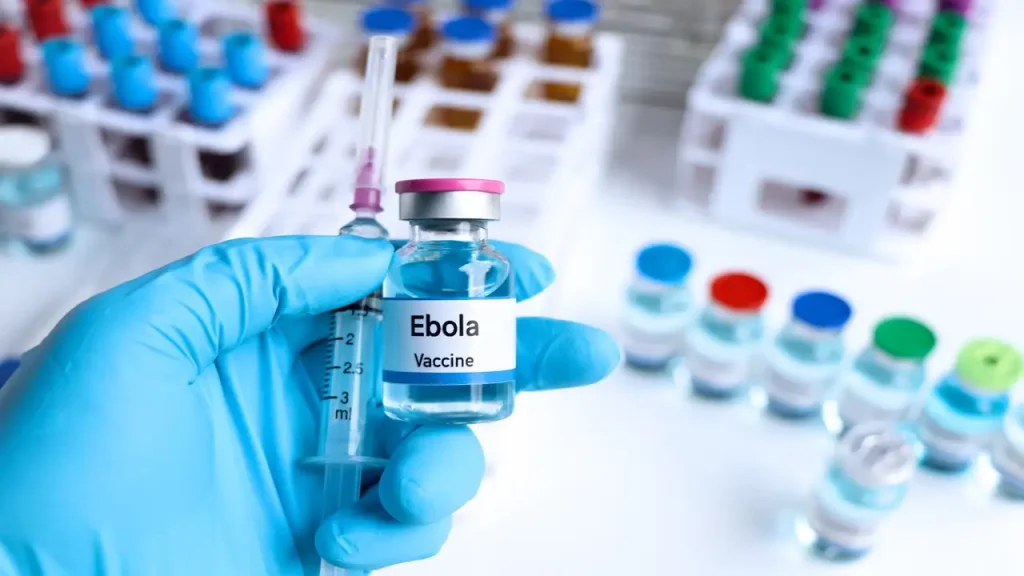
Researchers note that while a vaccine already exists for the Zaire strain of Ebola, no approved vaccine has been developed for the Bundibugyo strain, which is currently driving outbreaks in the DRC and Uganda. This has prompted an intensified effort to develop new vaccines.
IAVI is working on a vaccine based on technology previously used in another Ebola vaccine project that remains in the early stages of development. The new candidate vaccine is expected to take between seven and nine months before it can enter human trials.
Meanwhile, Moderna is using its mRNA technology, which gained global recognition during the development of COVID-19 vaccines. However, the timeline for the availability of Moderna’s Ebola vaccine has not yet been determined.
The University of Oxford’s vaccine candidate is expected to begin human trials within the next two to three months.
CEPI Chief Executive Officer Dr. Richard Hatchett stressed the urgency of accelerating the development of a Bundibugyo Ebola vaccine, warning that the continued spread of the virus without an approved vaccine remains a major concern.
“As the Bundibugyo virus continues to spread rapidly and no approved vaccines are yet available, every day counts in the fight against this outbreak,” he said.
The Director-General of the World Health Organization (WHO), Dr. Tedros Adhanom Ghebreyesus, said that successful development of these vaccines could play a crucial role in stopping the current outbreak and improving preparedness for future epidemics.
However, WHO emphasized that while vaccines are still under development, countries must continue implementing preventive measures to limit transmission and protect vulnerable populations from further spread of the disease.