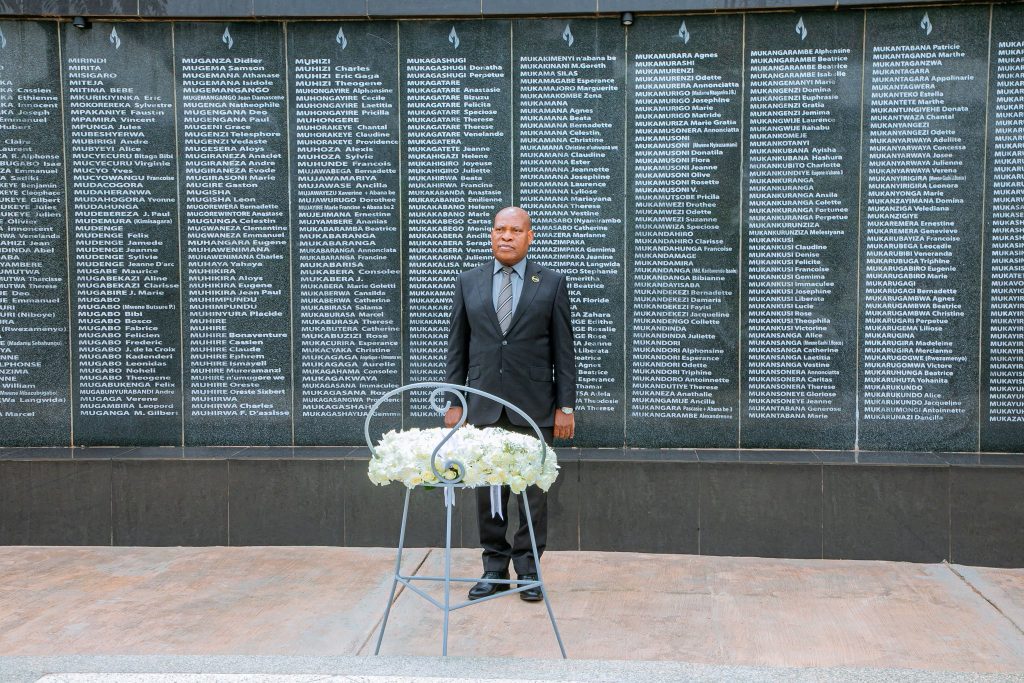

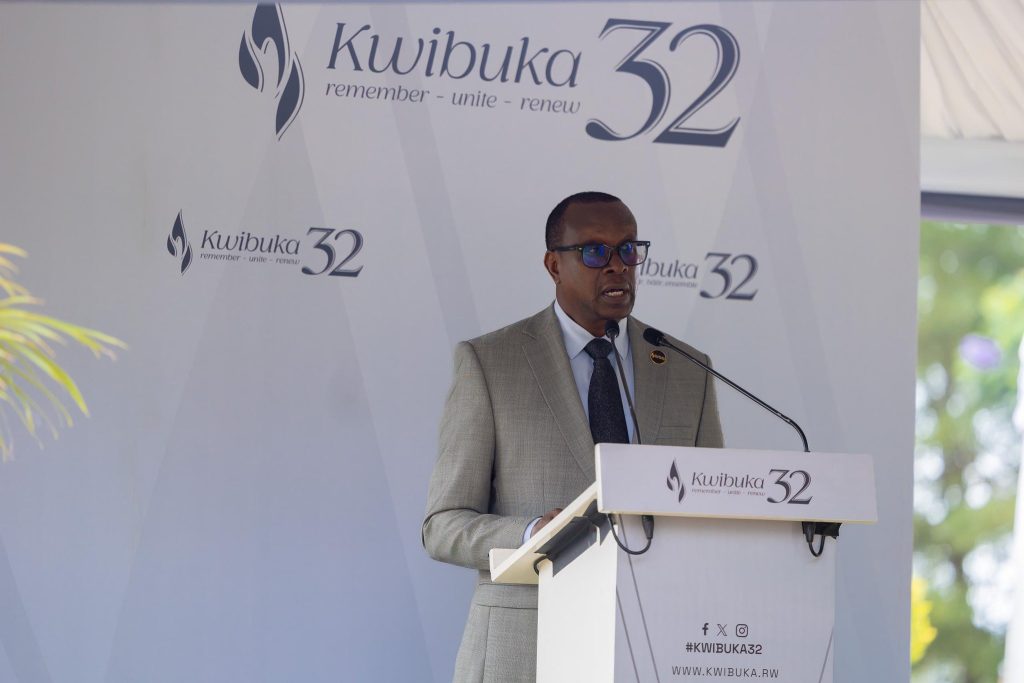
The President of the Senate of Rwanda, François-Xavier Kalinda, stated that the 1994 Genocide against the Tutsi was caused by a series of bad historical and political decisions rooted in ethnic divisionism, urging politicians to avoid anything that could return the country to such dark times.
He made these remarks on April 13, 2026, during an event marking the end of the national mourning week and commemorating politicians who were killed during the Genocide against the Tutsi for opposing the plan to exterminate Tutsis. The event was held at the Rebero Genocide Memorial, a site dedicated to preserving the history of politicians who stood against injustice and fought evil.
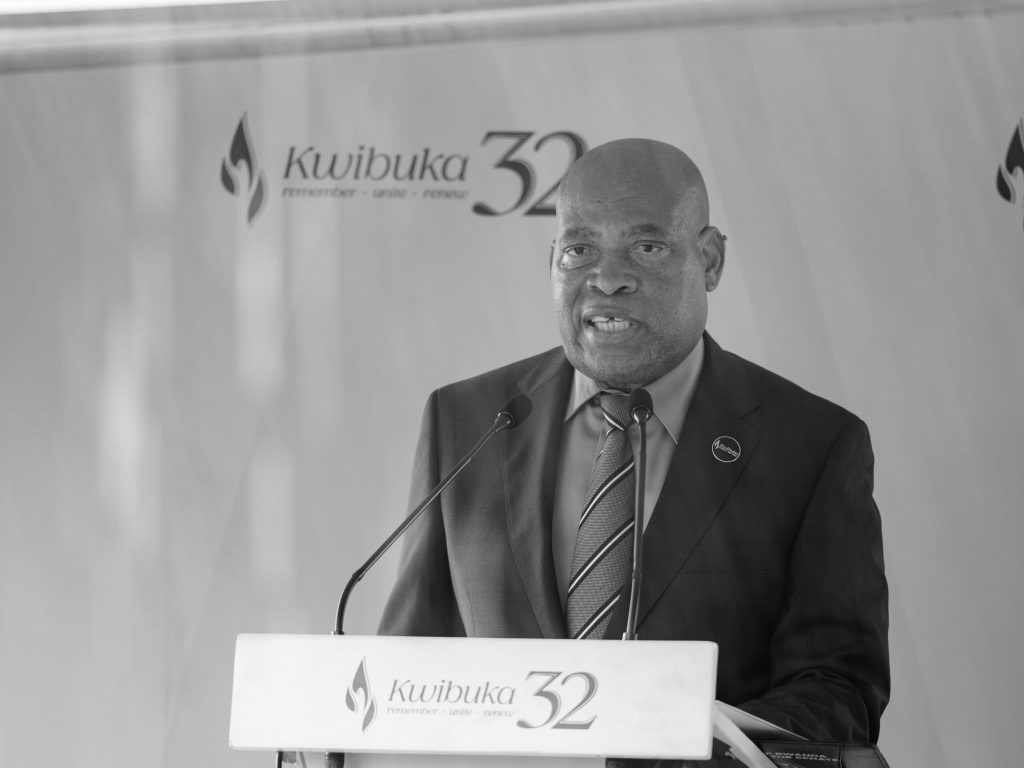
He said, “The Genocide against the Tutsi was the result of a long history of poor governance, starting with colonial rule that disrupted the unity of Rwandans and created ethnic divisions, followed by the First and Second Republics which based governance on discrimination and exclusion of Tutsis.”
He emphasized that commemorating the Genocide is essential to preserving the truth and combating denial and revisionism.
“Remembering is crucial to affirm the truth about the Genocide against the Tutsi, to show it was planned, and to fight against denial and minimization, as well as prevent its recurrence in Rwanda and elsewhere,” he added.
Kalinda highlighted that after the Genocide, Rwandans chose to rebuild the country based on unity and equality, principles enshrined in the Constitution.
He said, “Policies that promote good governance, unity among Rwandans, and equal opportunities for all must be upheld. The progress achieved over the past 32 years is encouraging and gives hope for the country’s future.”
He also warned that there are still individuals spreading genocide ideology, denial, and minimization, stressing the need to actively counter them.
He urged current politicians to focus on fighting genocide ideology, addressing denial, and educating the youth about Rwanda’s history.
He noted that although the mourning week has ended, the 100-day commemoration period of the Genocide against the Tutsi continues.
The spokesperson of the National Consultative Forum of Political Organizations (NFPO), Frank Habineza, stated that the politicians being remembered were killed because of their courage to stand against injustice.
He said, “The politicians we remember today were killed for their bravery in opposing dictatorship and rejecting injustice, as they fought for governance that respects all Rwandans equally.”
He added that the 11 political parties operating in Rwanda are united in promoting national development and emphasized that political differences should not lead to conflict.
“Having different views in Rwanda is not a fight or an attempt to destroy what has been built over the past 32 years since the Genocide. Our role is to provide ideas and solutions while remembering our country’s painful history,” he said.
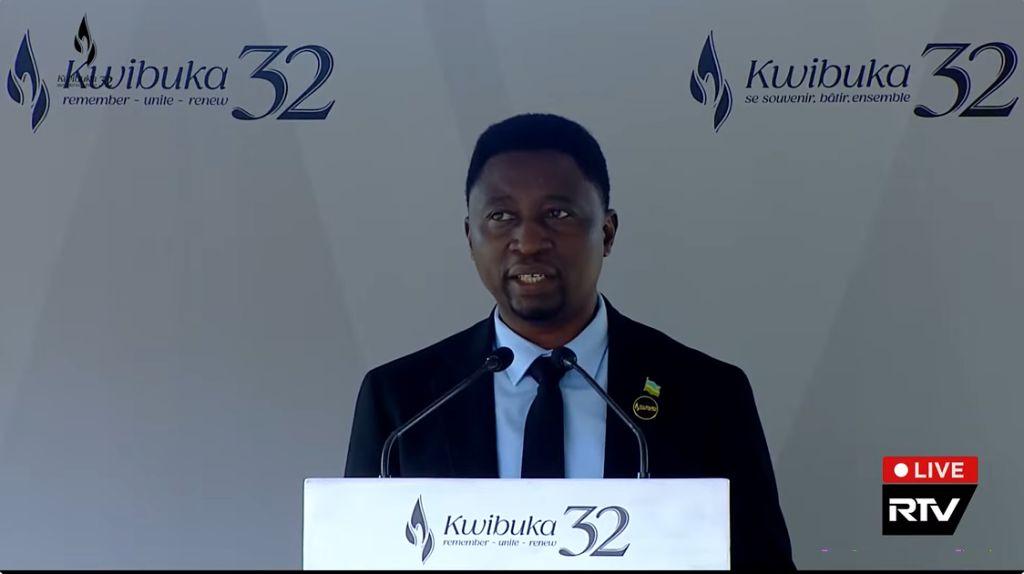
He called on political party members to reject anyone attempting to reintroduce divisive politics.
“We will not allow anyone to take us backward under any pretext,” he stressed.
Minister of National Unity and Civic Engagement, Jean Damascène Bizimana, explained how hate-based politics was institutionalized under former presidents Juvénal Habyarimana and Grégoire Kayibanda.
He noted that although Habyarimana claimed to have taken power to address issues like discrimination in schools, he continued to promote ethnic division and exclusion.
Bizimana pointed out that many refugees were persecuted, stripped of their property, and denied the right to return to Rwanda.
“Even refugees who secretly tried to return to visit their families were driven away,” he said.
He also highlighted that decisions made under Habyarimana’s regime showed a clear intent to prevent Tutsi refugees from returning.
Bizimana criticized attempts by Jean-Luc Habyarimana to sanitize his father’s legacy, noting that evidence of persecution against Tutsis remains well documented.
He urged political leaders to educate their youth members about Rwanda’s history to prevent them from being misled and to promote unity.
“It is essential to properly educate young people in your political parties about this history so they can engage in politics that unites Rwandans and prevents the country from falling back into any form of discrimination,” he said.
He also warned young people against hate speech still present among some politicians influenced by divisive ideologies.
Bizimana concluded by urging politicians to learn from Rwanda’s history, promote national pride, and strengthen unity.
“We cannot build unity without understanding what destroyed it and who was responsible. This knowledge is key to protecting it and preventing the country from falling back into the divisive ideology that led to the Genocide against the Tutsi,” he said.
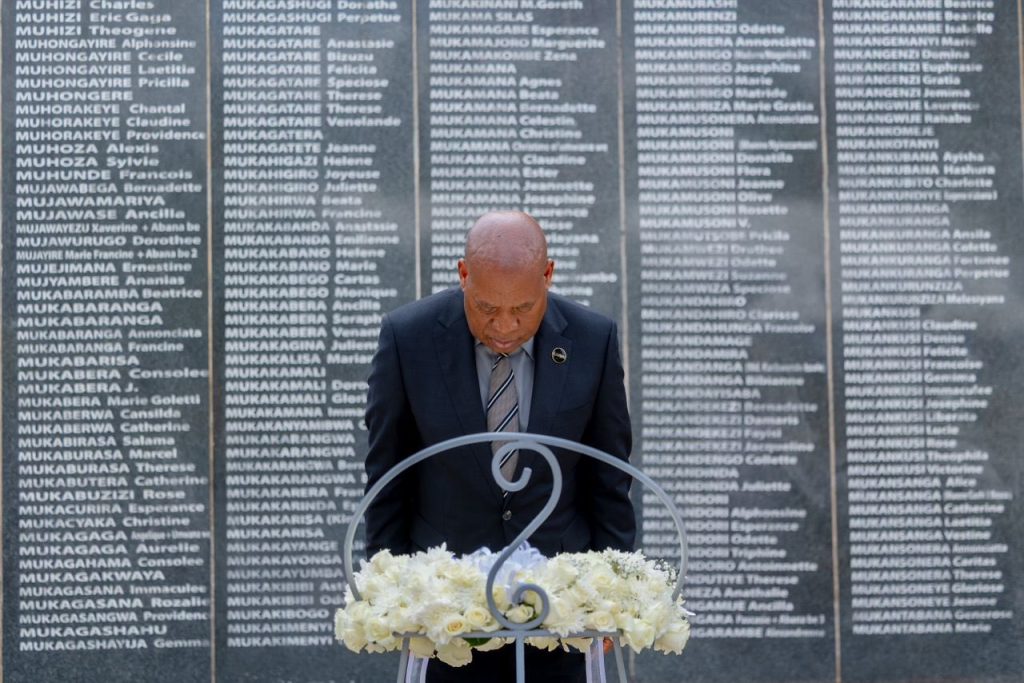
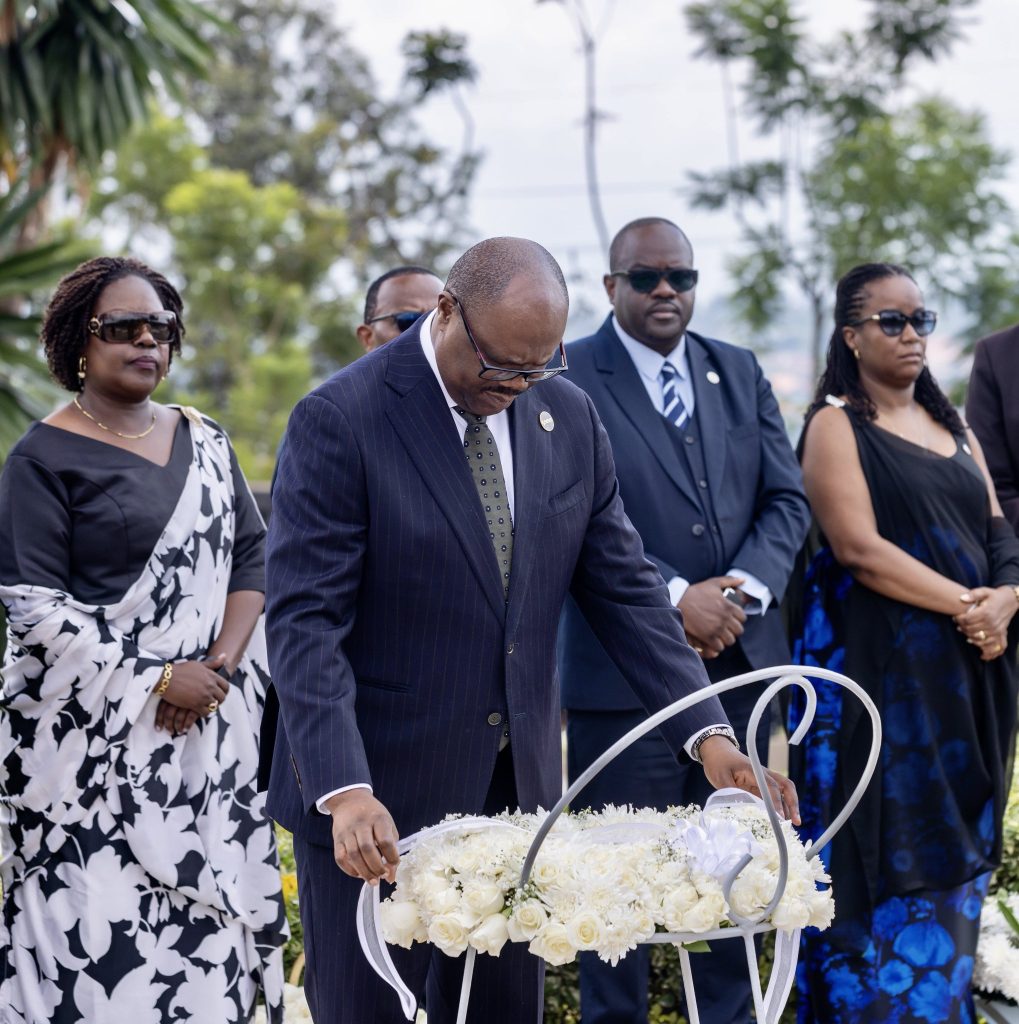
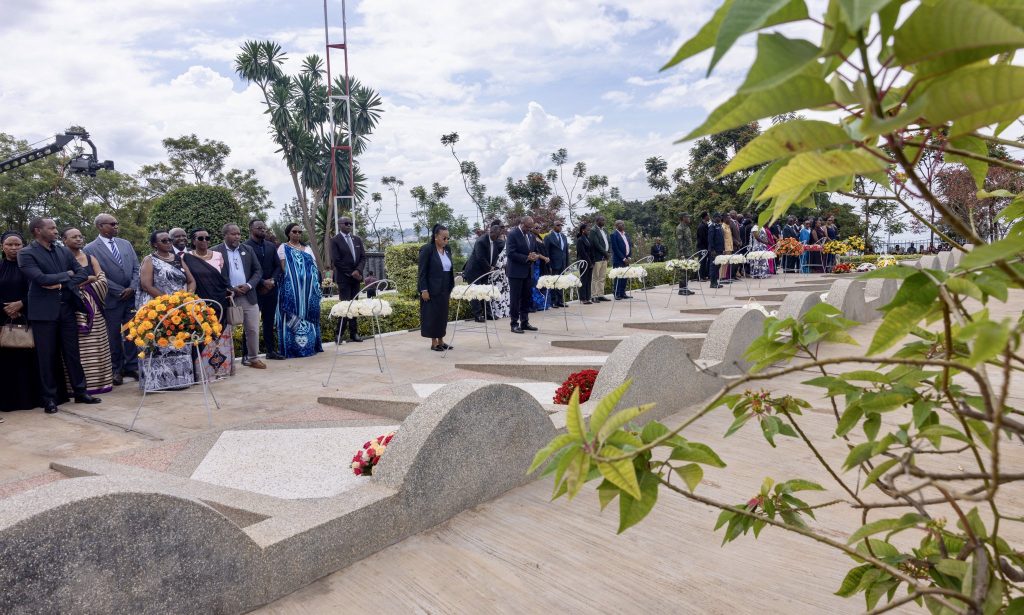
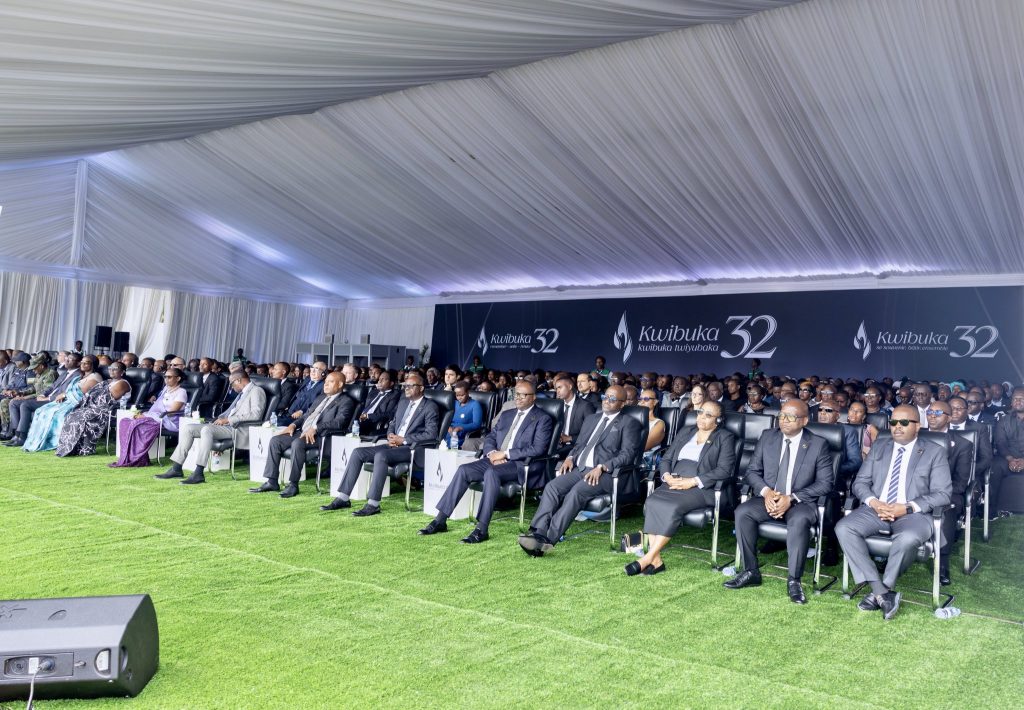
Photos by @RwandaParliament & @Unity_MemoryRw