
Their call follows Kenya’s decision to allow the United States to establish a quarantine facility for Americans suspected of having Ebola after arriving from the Democratic Republic of the Congo (DRC) and other affected countries.
Kenya granted the U.S. permission to use land located within the Kenyan Air Force base in the Laikipia region.
However, the High Court in Nairobi temporarily suspended the plan to establish the quarantine center, despite continued efforts by the United States to move forward with the project.
As part of those efforts, two U.S. government aircraft carrying medical personnel responsible for monitoring Americans suspected of Ebola landed at the Laikipia Air Force base on the morning of May 31, 2026.
The planned facility, which has a capacity of 50 beds, is located about 200 kilometers from Nairobi. It is intended to accommodate Americans who are suspected of exposure to Ebola but have not yet developed symptoms.
Around 30 medical professionals have been deployed to Kenya to assist with the quarantine operation. Some of them previously worked on the Ebola response in West Africa during the 2014 outbreak.
Patients who develop Ebola symptoms are expected to be transferred to major hospitals in Europe rather than being flown to the United States.
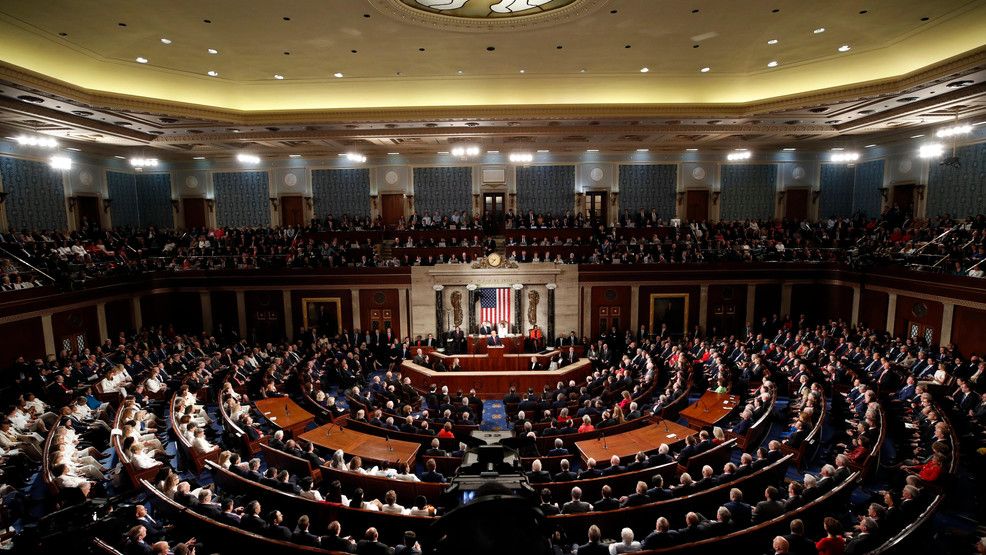
The Senate Foreign Relations Committee argued that the U.S. government has a responsibility to care for all American citizens abroad and should not shift that responsibility to another country.
“Our government has an obligation to care for Americans living and working overseas. The United States has numerous facilities capable of treating Ebola patients appropriately within its own borders,” the committee stated.
Committee members questioned why the United States would delegate such a responsibility to a foreign nation instead of handling it domestically.
On May 28, 2026, Justice Patricia Nyaundi announced that the High Court of Nairobi had accepted a petition filed by Katiba Institute, a legal advocacy organization, seeking to halt the establishment of the quarantine center in Kenya.
The court ordered a temporary suspension of the project in Laikipia while awaiting the outcome of the case, which was scheduled for hearing on June 2.
Despite the court’s intervention, the Kenyan government stated that plans for the facility in Laikipia would continue.
The Ebola outbreak was first reported in the Democratic Republic of the Congo in May 2026. According to the DRC Ministry of Health, as of May 31, 2026, a total of 321 cases of the Bundibugyo strain of Ebola had been confirmed.
The virus later spread to Uganda after a Congolese citizen from Ituri Province in eastern DRC crossed the border and infected others, including healthcare workers who treated him.
Uganda’s Ministry of Health reported that the number of confirmed Bundibugyo Ebola cases had risen to 15, including six new cases reported on June 2, 2026.