
Trump has said he is seriously considering an export ban as diesel prices increase following disruptions linked to the conflict involving Iran. He also said the US could ask European countries to use part of their emergency fuel stocks.
The possible move has raised concerns in Europe because the US is a major diesel supplier to international markets. The country exports between 1.2 million and 1.5 million barrels of diesel and other refined fuel products each day.
Energy experts have warned that reducing US exports could further tighten global supplies and push prices higher in countries that depend heavily on imports.
The UK has already discussed the issue with European partners. Energy Minister Martin McCluskey joined talks on Thursday about how countries could respond if Washington introduces restrictions.
A UK government source said European countries still have fuel reserves following an earlier coordinated release of strategic stocks. The government also said there was currently no reason for the public to be concerned about diesel shortages, although prices could continue rising.
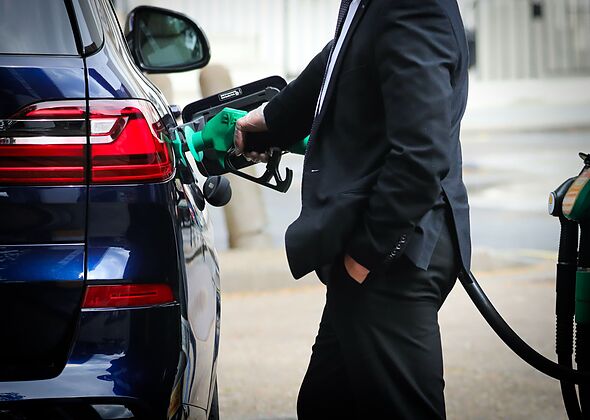
Diesel prices in the UK have reached record levels. According to the RAC, the average price recently reached 199.79 pence per litre, compared with 142.38 pence a year earlier.
The situation has also been affected by disruptions around the Strait of Hormuz, a major route for global oil and gas shipments. Russia’s restrictions on diesel exports have added further pressure to international supplies.
China has also reportedly reduced some fuel exports as it focuses on meeting domestic demand.
David Fyfe, chief economist at Argus Media, warned that stopping US diesel exports could cause international prices to rise sharply.
Diesel is particularly important for transport, farming and other industries, making it difficult for consumers and businesses to quickly reduce their use.
The UK is especially dependent on imported diesel. While its refineries produce enough petrol for domestic demand, they do not produce enough diesel to meet the country’s needs.