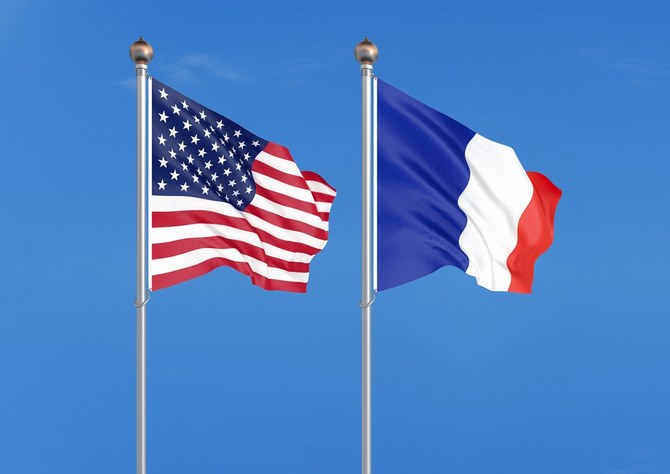

According to Reuters, the United States is even considering rejecting French President Emmanuel Macron’s nominee for France’s next ambassador to Washington.
The nominee is Aurélien Lechevallier, a former adviser at the French presidency (Élysée Palace) who currently serves as chief of staff to French Foreign Minister Jean-Noël Barrot.
The dispute stems from a statement published on February 25 by France’s mission to the United Nations in Geneva. In the statement, Paris criticized the United States for joining Russia, North Korea, and seven other countries in opposing the renewal of a four-year term for Volker Türk, the United Nations High Commissioner for Human Rights.
The French statement read: “The United States was once a global reference on human rights. That is no longer the case. The world is watching.”
Volker Türk has been a controversial figure, particularly for his criticism of Israel’s military operations in Gaza and his calls for investigations into deaths involving migrants in U.S. immigration detention facilities.
The remarks reportedly angered senior U.S. officials. Sources said the statement had been reviewed and approved through France’s official government channels, contradicting suggestions that it had been published independently by a junior official.
A senior U.S. State Department official said, “The United States is deeply disappointed by France’s irresponsible and disrespectful remarks. We are responding appropriately.”
The diplomatic dispute escalated further on Monday when U.S. representatives walked out of a United Nations Security Council meeting during France’s remarks on Ukraine, accusing their longtime ally of engaging in political posturing.
A French diplomatic official, however, insisted that France’s support for Volker Türk’s reappointment does not undermine its broader relationship with the United States.
“Differences over a nomination do not diminish the strength of our partnership or our ability to work together,” the official said.
France has long been one of America’s closest allies, but relations have become increasingly strained during President Donald Trump’s second term.
Although Trump and Macron remain in regular contact, disagreements have persisted over U.S. tariffs on French goods, Trump’s criticism of European governments, and ongoing disputes within NATO over defense spending.
French officials have also expressed frustration with U.S. Ambassador to Paris Charles Kushner, who has strongly defended the Trump administration’s “America First” foreign policy. Kushner has reportedly declined requests from French authorities to explain several U.S. policy decisions.
If Washington delays or rejects Macron’s ambassadorial nominee, it would represent a highly unusual diplomatic move and could further strain relations between the two longstanding allies.
Reports indicate that Macron has already submitted the necessary diplomatic paperwork for Aurélien Lechevallier’s appointment, with France expecting him to assume his duties in Washington in September.
Under U.S. diplomatic protocol, foreign governments must first obtain confidential approval—known as agrément—from the U.S. government before an ambassador can be officially appointed. Diplomats note that Washington rarely delays or publicly rejects ambassadorial nominees, as such matters are typically resolved privately before any final decision is announced.