
The ongoing conflict involving Iran has triggered a surge in global oil and gas prices, raising questions about who stands to benefit from the turmoil. As attacks hit energy infrastructure across the Gulf and shipping through the vital Strait of Hormuz faces major disruption, Western energy exporters, especially the United States, could gain new opportunities in the global market.
Strait of Hormuz Disruption Sends Shockwaves
One of the main reasons behind the rising global energy crisis is the disruption in shipping through the Strait of Hormuz, a critical route that carries about 20% of the world’s oil and liquefied natural gas (LNG). Following retaliatory strikes after attacks by the United States and Israel, Iran’s military declared the strait effectively closed, warning that vessels attempting to pass could be targeted.
Several tankers have already been damaged in the area, leaving around 150 ships stranded while global shipping companies reconsider routes through the Gulf. The disruption has quickly pushed oil prices higher and created uncertainty in energy markets worldwide.
Energy Facilities in the Gulf Targeted
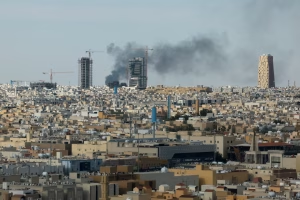
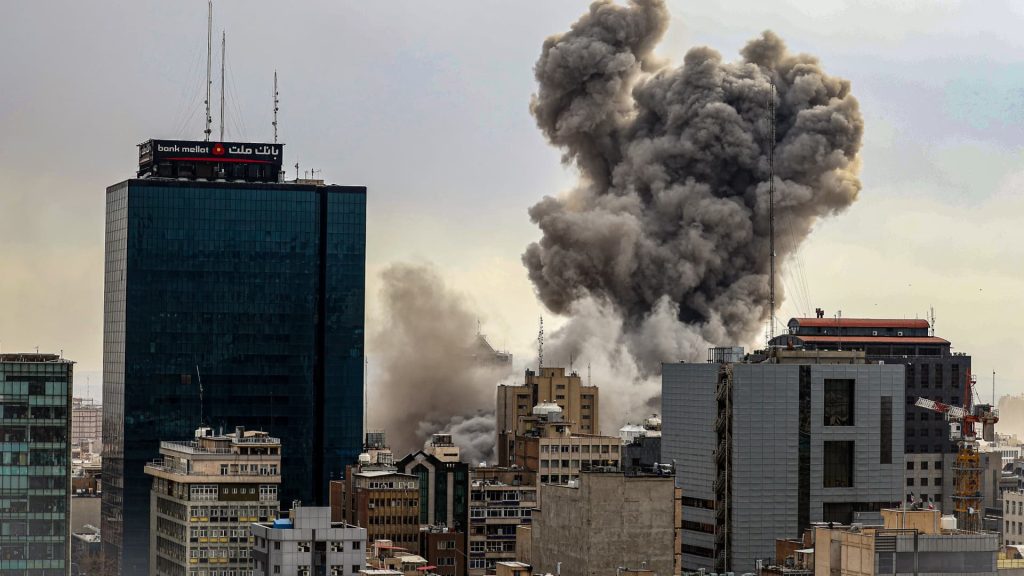
Beyond the shipping crisis, attacks on key energy infrastructure have worsened the situation. Facilities belonging to QatarEnergy in Ras Laffan and Mesaieed were forced to halt LNG production following strikes linked to the conflict. At the same time, Saudi Aramco temporarily shut operations at its Ras Tanura refinery after debris from intercepted drones caused a fire.
These disruptions are significant because the Middle East holds nearly half of the world’s proven oil reserves and a large share of global natural gas production.
Asia and Europe are the most exposed
The impact is being felt most strongly in Asia and Europe, regions heavily dependent on Middle Eastern energy supplies. Countries such as China, India, Japan, and South Korea are among the largest importers of oil passing through the Strait of Hormuz.
South Korea has already warned it could run out of LNG supplies in less than ten days if the crisis continues, highlighting the vulnerability of energy-importing economies.
US and Western Exporters See Market Opening
With Gulf production disrupted and shipments delayed, Western exporters may benefit from the supply gap. The United States is currently the world’s largest oil exporter and LNG producer, positioning it to capture market share previously dominated by Middle Eastern suppliers.
Major American energy firms such as ExxonMobil and Cheniere Energy could increase shipments to Europe and Asia, replacing part of the supply lost from Qatar.
However, analysts caution that US producers cannot expand production immediately because many LNG plants are already operating close to full capacity and most shipments are tied to long-term contracts, as reported by Reuters.
Russia Also Gains from Price Surge
Another country likely to benefit is Russia, which has already been exporting oil to Asian markets such as China and India through alternative networks known as “shadow fleets.” With global oil prices rising and sanctions enforcement potentially loosening to stabilize markets, Russian exports could become even more profitable.
A Crisis with Global Consequences
While the United States may gain market opportunities in the short term, experts say the benefits will depend largely on how long the conflict lasts. If the Strait of Hormuz reopens quickly and production resumes in the Gulf, markets could stabilize.
For now, however, the war in Iran has once again demonstrated how fragile the global energy system remains, where a single regional conflict can send shockwaves through economies across the world.