

The Democratic Republic of the Congo national football team secured a historic return to the FIFA World Cup after 52 years, edging past the Jamaica national football team with a hard-fought 1-0 victory. The decisive moment came in extra time, when Axel Tuanzebe rose to the occasion and delivered a goal that will be remembered for generations in Congolese football.
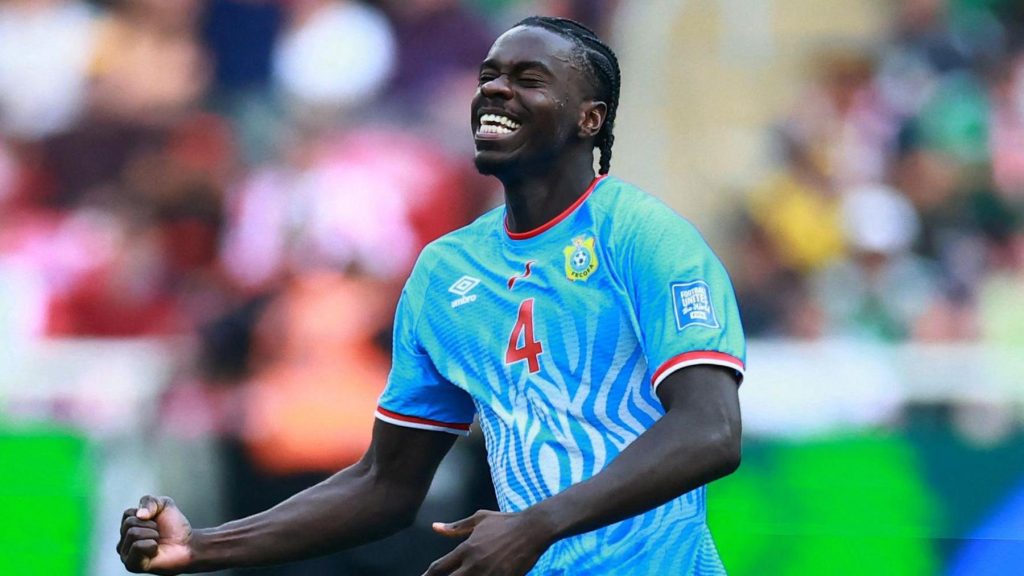
The match itself was tightly contested, with both sides showing discipline and caution throughout regular time. Jamaica matched DR Congo physically and tactically, limiting clear chances and forcing the game into extra time. However, as fatigue set in, a lapse in concentration proved costly, allowing Tuanzebe to capitalize and break the deadlock at the most crucial moment.
For DR Congo, this qualification marks a long-awaited return to football’s biggest stage. Their only previous appearance came in 1974, when they competed as Zaire. That campaign, however, is often remembered for difficult results, including heavy defeats, and has long stood as a symbol of both pride and unfinished business in the nation’s football story.
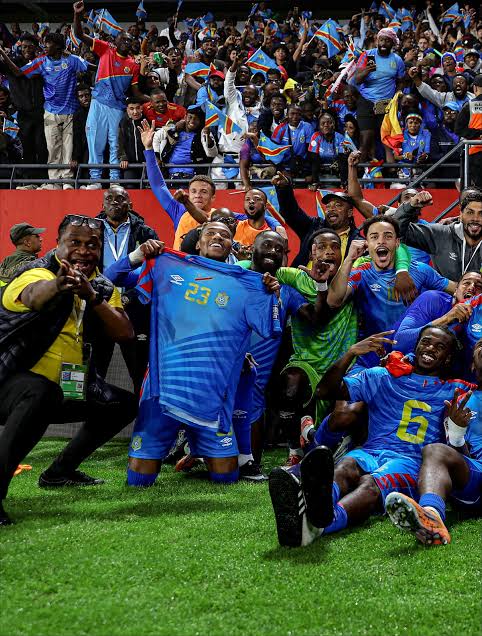
This time, the narrative feels different. The current generation has benefited from a mix of experienced internationals and emerging talents, many of whom play in competitive European leagues. Improved organization within the football federation, better tactical structure, and a stronger defensive foundation have all contributed to a more balanced and competitive team.
Critically, DR Congo’s qualification has been built on resilience and efficiency rather than flair alone. Their defensive solidity throughout the qualifiers limited goals conceded, while key players stepped up in decisive moments. The ability to remain patient under pressure, as seen against Jamaica, highlights a maturity that has often been missing in previous campaigns.
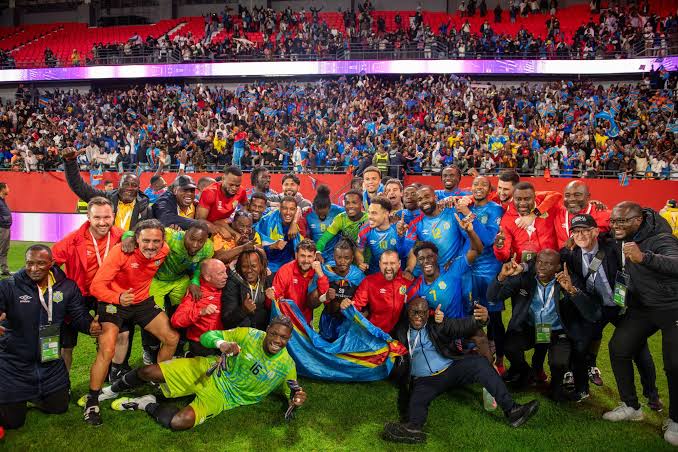
As the Leopards prepare for their return to the global stage, expectations will be tempered but hopeful. While the gap between them and football’s elite remains significant, this qualification signals progress and renewed belief. More than just a ticket to the World Cup, it represents a turning point proof that DR Congo can compete, adapt, and once again be part of football’s biggest conversation.