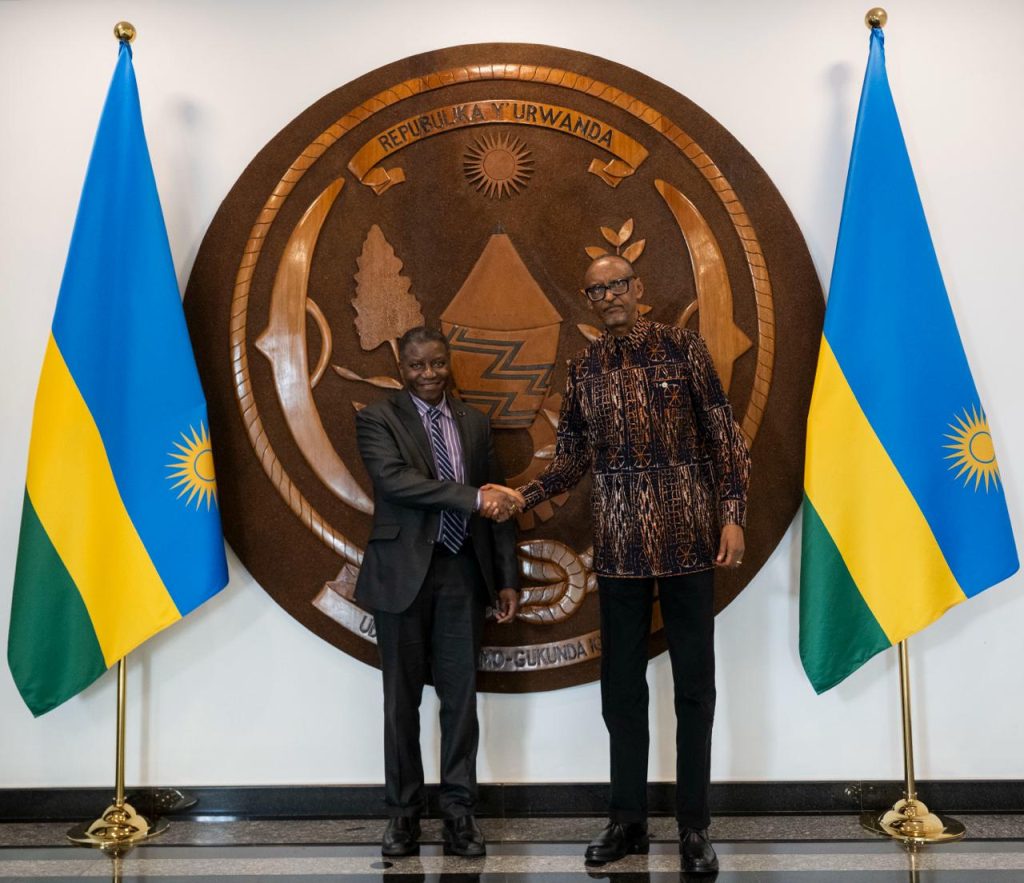

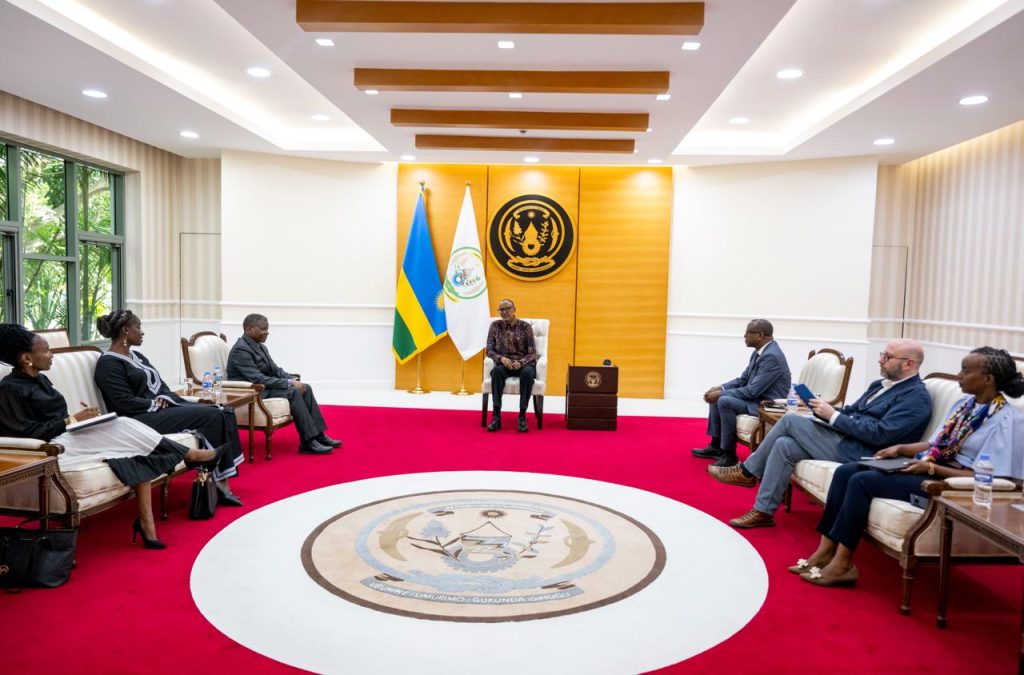
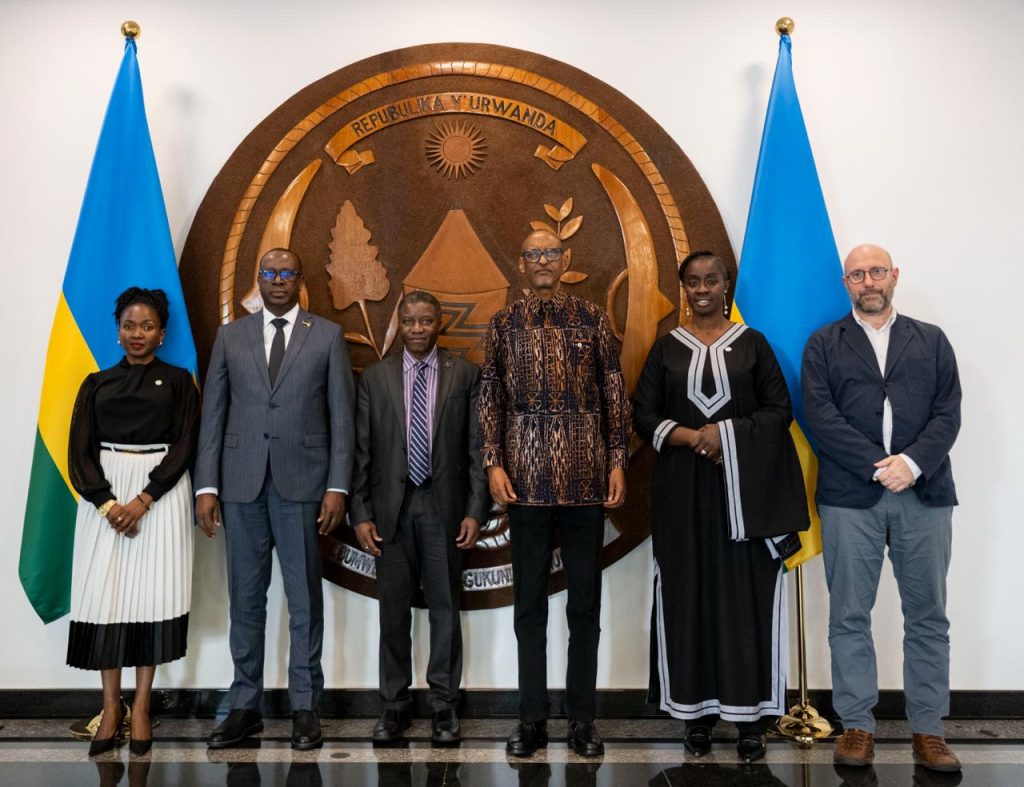
The meeting focused on the shared responsibility of the international community in identifying and responding to early warning signs of genocide, drawing lessons from the 1994 Genocide against the Tutsi.
The discussions come at a time when global reflection on past failures remains central to ongoing efforts to prevent future atrocities. Both leaders emphasized the need for vigilance, cooperation, and timely intervention to ensure that such tragedies never happen again.
Earlier in the day, while speaking at the International Conference on Genocide Prevention, Beyani openly acknowledged that the international community failed Rwanda in 1994.
Beyani revealed that during the genocide, he was working as a researcher and had access to reports from OXFAM which documented the systematic mass killings of Tutsi with clear evidence, he said, that genocide was unfolding.
Despite this, he noted that the United Nations and powerful nations did not act.
“In 1994, the international community abandoned Rwanda. There was clear evidence that genocide was taking place, and information had been provided to the United Nations, the African Union, and powerful countries that could have stopped it. They had all the information, yet despite this, the Genocide against the Tutsi still happened,” Beyani said.
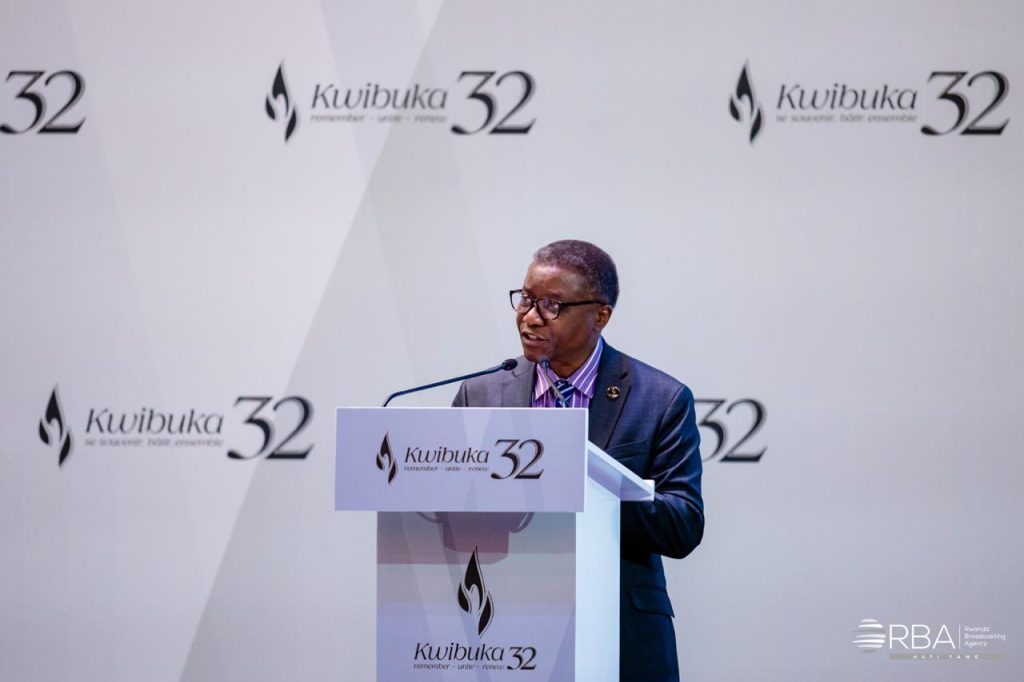
His remarks echo long-standing criticisms that global institutions and major powers failed to intervene despite having early warnings and credible intelligence about the unfolding genocide.
Beyani stressed that acknowledging this failure is essential, but more importantly, it must lead to concrete action.
He called for stronger accountability mechanisms to ensure that those responsible for genocide and crimes against humanity are brought to justice. He also underscored the urgent need to combat hate speech, genocide denial, and genocidal ideology, which continue to pose threats in different parts of the world.
According to Beyani, prevention efforts must go beyond rhetoric and include the establishment of robust legal and institutional frameworks within countries to detect, deter, and punish genocide-related crimes.
The engagement between President Kagame and Beyani highlights Rwanda’s continued role in advocating for global awareness and accountability, as well as its commitment to ensuring that the lessons of 1994 remain a guiding force in international peace and security efforts.
As the world marks the 32nd commemoration of the Genocide against the Tutsi, the message remains clear: remembrance must be accompanied by responsibility, and “Never Again” must be backed by decisive action.
Photos by Urugwiro