

Beijing, China’s economy expanded at a faster pace than expected in the first quarter of 2026, offering a sign of resilience even as rising geopolitical tensions threaten to unsettle global trade and energy markets.
China’s economy showed a steady and encouraging performance in the first quarter of 2026, growing by 5.0% compared to the same period last year, up from 4.5% in the previous quarter, according to the National Bureau of Statistics of China.
The growth was mainly driven by strong export performance and consistent industrial activity in the early months of the year. However, officials have also called for caution, warning that both domestic challenges and external uncertainties could put pressure on economic stability in the months ahead.
In particular, the ongoing US–Iran conflict in 2026 has introduced fresh uncertainty into the global economy. The conflict has disrupted supply chains, driven up transportation costs, and contributed to volatility in oil prices, factors that could eventually affect production and demand worldwide.
Chinese authorities acknowledged these challenges, warning that the external environment is becoming increasingly unpredictable. At home, structural concerns persist, including relatively weak consumer spending, ongoing difficulties in the property sector, and imbalances between supply and demand.
Meanwhile, the International Monetary Fund has cautioned that tighter global energy supplies may place additional strain on economic growth across major economies.
Despite these concerns, China has so far managed to maintain stability. Its diversified energy sources and reserves have helped reduce immediate exposure to the global oil shock. However, its reliance on exports continues to present a potential risk, particularly as global demand faces uncertainty.
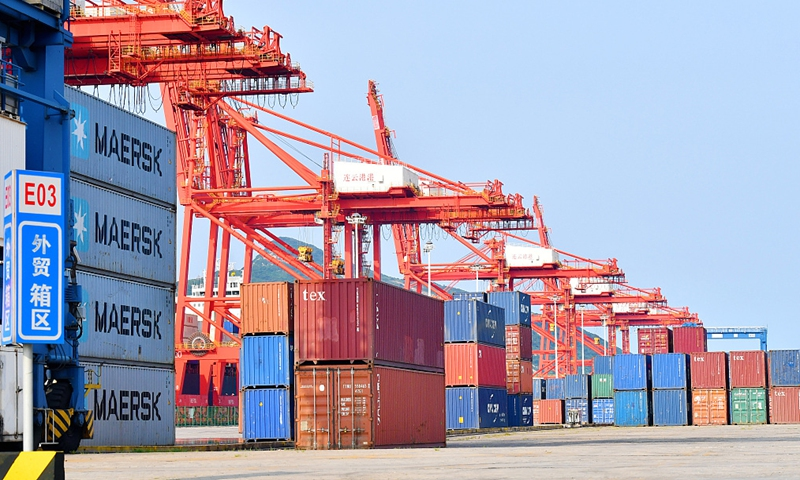
Trade data reflects this mixed picture. While exports recorded strong growth in the early part of the year, the pace slowed in March as the impact of the conflict began to affect global shipping and logistics. Even so, total exports for the quarter remained higher compared to the same period last year.
At the same time, China’s investment in advanced manufacturing and green technology is emerging as a key strength. Exports of electric vehicles, battery technologies, and renewable energy equipment have increased significantly, positioning the country to benefit from growing global demand for sustainable solutions.
Furthermore, economists suggest that while short-term growth remains stable, the broader outlook will depend heavily on external conditions. Continued geopolitical tensions, fluctuating energy prices, and domestic structural issues are likely to shape China’s economic trajectory in the months to come.
The latest figures present a picture of cautious optimism: an economy that is performing steadily for now, yet facing an increasingly complex and uncertain global environment.


