
The Ministry of Education Rwanda has announced that the number of refugee students increased in the 2024/2025 academic year, reaching 45,671, up from 44,051 in the previous school year. Meanwhile, the number of orphaned children studying in Rwanda’s schools reached 173,000.
These figures are contained in the 2024/2025 education sector performance report published on March 30, 2026. It shows that students requiring special support among refugees have increased, while those in the orphan category have declined.
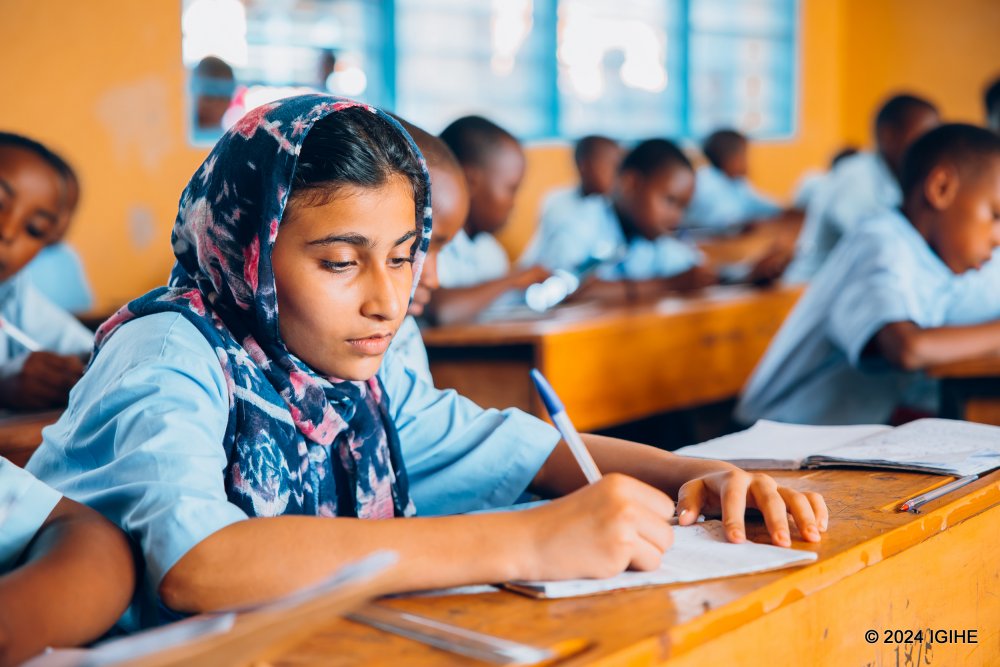
Refugee students in pre-primary education increased from 5,689 in 2023/24 to 6,008 in 2024/25, representing a 5.6% rise. In primary schools, refugee student numbers rose slightly by 0.8% to 24,976 from 24,774.
However, refugee students in secondary schools decreased by 2.8% to 12,039 in 2024/25.
A sharp increase was recorded in refugee students enrolled in Technical and Vocational Education and Training (TVET), rising by 121% from 1,198 in 2023/24 to 2,648 in 2024/25.
Overall, most refugee students attend public schools, with over 30,000 enrolled. More than 7,300 attend government-aided private schools, while about 8,000 are in fully private schools.
Rwanda hosts over 135,000 refugees living in camps such as Mahama Camp, Mugombwa Camp, Nyabiheke Camp, Kigeme Camp, and Kiziba Camp, as well as in urban areas.
Each camp has schools attended by both refugee children and those from surrounding communities.
Increase in students with disabilities
Data from the past five years shows a steady increase in students with disabilities. In 2020/21, there were 30,729, rising to 38,937 the following year.
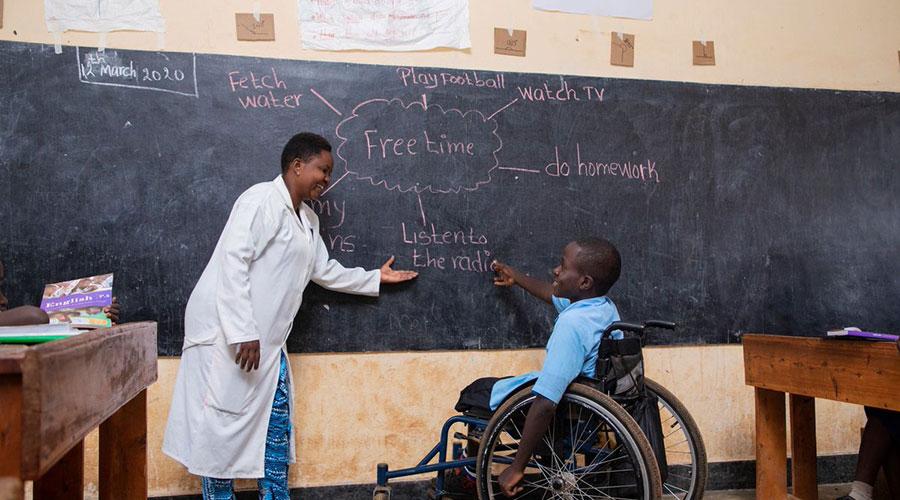
By 2024/25, the number reached 43,663, up from 42,476 the previous year.
Most of these students have physical disabilities (over 14,000), more than 7,800 have learning difficulties, and over 6,000 have visual impairments.
Decline in orphaned students
The Ministry also reported that students requiring special attention include orphans—children who have lost one or both parents.
Their numbers have gradually declined over time. From 180,967 in 2023/24, the number dropped to 173,656 in 2024/25. Among them, 50.4% are boys and 49.6% are girls.
Most orphaned students are in primary and secondary education. About 110,348 are in primary school, while 47,749 are in secondary school.
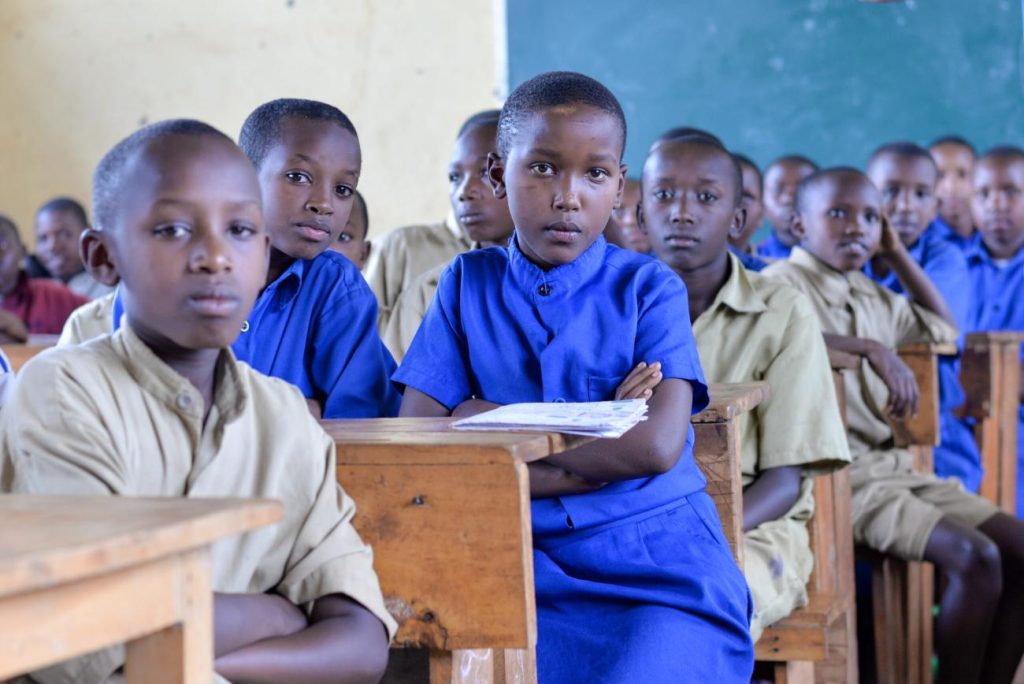
Of these, 56,398 have lost their mothers, 92,829 have lost their fathers, and 24,429 are double orphans (having lost both parents).
Increase in students in rehabilitation centers
The Rwanda Correctional Service provides education, especially in the juvenile rehabilitation center in Nyagatare, where students follow the regular curriculum and sit for national exams at both primary and lower secondary levels, with successful candidates progressing further.

In 2024/25, the number of students in correctional education increased to 7,588 from 7,406.
Most of these learners are enrolled in adult literacy programs (4,865), while 446 are in primary education and 2,163 are in vocational and technical training programs.