

Australia’s inflation rate surged to 4.6% in the year to March, up from 3.7% the previous month, as rising global fuel prices linked to the Iran conflict began to feed into the economy, according to official data.
Treasurer Jim Chalmers warned that the latest figures likely mark the beginning of a broader inflationary wave driven by escalating oil prices, which have already started to affect transport, energy, and consumer costs across the country.
The jump in prices has intensified expectations in financial markets that the Reserve Bank of Australia (RBA) will raise interest rates for a third consecutive meeting next Tuesday, as policymakers face the challenge of curbing inflation while economic growth shows signs of slowing.
Chalmers said inflation could rise further in the coming months but stressed that Australia’s economy remains resilient, supported by relatively low unemployment and steady wage growth despite global uncertainty.
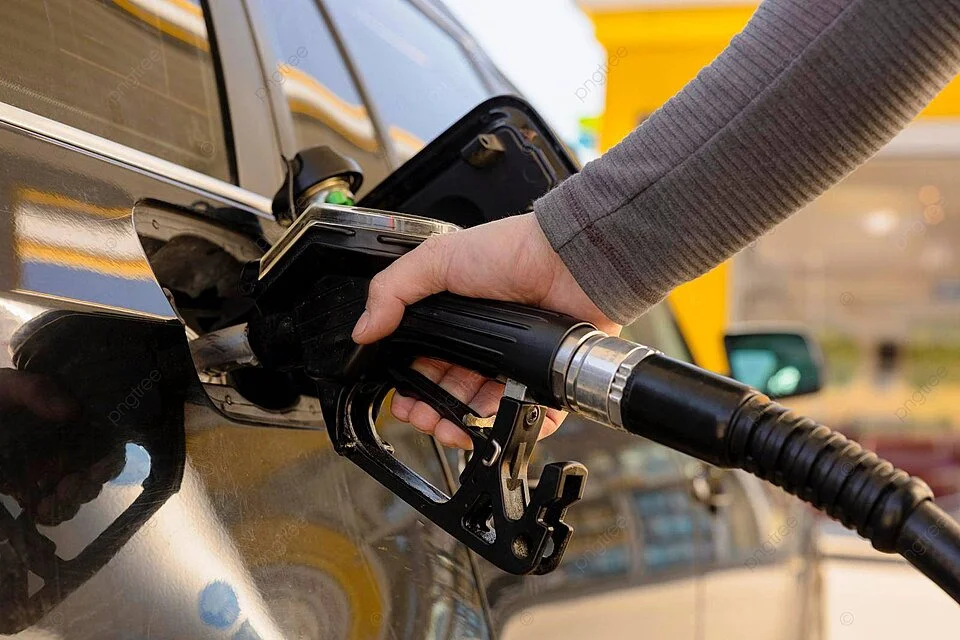
Global oil prices have climbed above $US110 per barrel following disruptions in key supply routes, including the Strait of Hormuz, a major channel for global energy shipments. This has triggered sharp increases in fuel costs, with petrol prices rising by 33% in March alone, before temporary government relief measures were introduced.
While headline inflation accelerated, underlying inflation, excluding volatile items such as fuel and electricity, remained stable at 3.3%, suggesting some easing in core price pressures.
However, economists warn that the recent surge in energy costs is likely to spill over into other sectors, including transport, food services, and construction, potentially pushing inflation higher in the months ahead.
Market reactions showed mixed expectations, with some traders slightly reducing the probability of an immediate rate hike, though most analysts still anticipate further tightening from the central bank.
Economists describe the current situation as increasingly challenging, with persistent external shocks placing additional pressure on monetary policy decisions. Many warn that inflation could approach 5.5% mid-year if fuel-related costs continue to rise.
Cost-of-living pressures remain a key concern for households, with rents increasing by 3.7% over the past year and home construction costs rising by 4.5%, while electricity prices remain elevated despite recent fluctuations in government subsidies, as the Guardian reports.
The government is preparing its upcoming budget amid growing pressure to provide relief for households, though economists caution that excessive spending support could further complicate efforts to bring inflation under control.
Policy experts emphasize the need for a balanced approach, warning that additional broad-based stimulus risks fueling further price increases at a time when monetary authorities are working to stabilize inflation expectations.


